Starlink Mini promises simpler, safer offshore communications for sailors
A backpack-size antenna and wireless MOB tags are the rare electronics that improve offshore safety without turning your boat into a power-hungry science project.
The offshore gear filter that matters
The best bluewater electronics are not the flashiest ones. On a boat with limited amp-hours and a DIY budget, the real test is simple: does the gear make you safer, faster, or better informed without creating a new failure point? That is why oversized screens that only make anchoring look high-tech belong in the background, while a compact comms system or a faster man-overboard alarm can earn real space on the bulkhead.
Actually useful: Starlink Mini when you need offshore data, not just boat theater
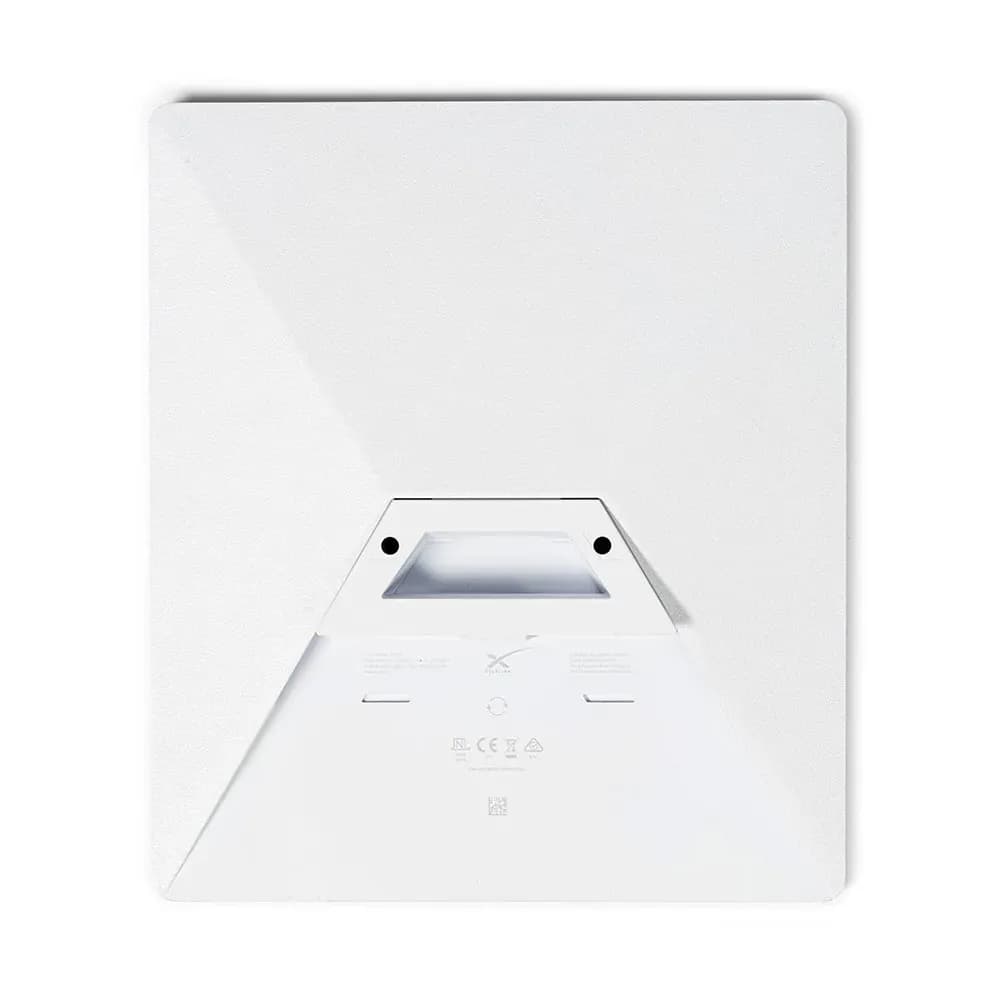
Starlink Mini stands out because it solves a genuine offshore problem without looking like a permanent power hog. Starlink’s published specs put the Mini at 1.10 kg, or 1.16 kg with the kickstand, with an average draw of 25 to 40W, 12 to 48V DC input, and IP67 protection. It is designed as a portable kit that can fit in a backpack, which matters on smaller sailboats where every kilo, every watt, and every mounting decision is a compromise.
That portability changes the installation conversation. A sailor can think in terms of a movable, stowable system instead of a big hard-mounted platform that eats deck space and demands more structure, more cabling, and more commitment. The catch is that Starlink also says the Mini needs an unobstructed view of the sky. Offshore, that is not a footnote. If the boat is heeled hard, the antenna is shadowed by rigging, or the mounting location is compromised, performance can fall off fast. The hardware is compact, but the sky is still the real antenna.
For sailors who actually use the data, the upside is substantial. Faster weather downloads can change the next 12 hours of routing. Easier video calls matter when a skipper needs to check in with family or shore support. Telemedicine is the big one that gets overlooked until it is needed far from land. In that sense, Starlink Mini is not a luxury toy. It is a communications layer that can replace a pile of more awkward workarounds.
The money, though, forces discipline. Starlink’s maritime business page lists service starting at $250 per month with hardware at $1,500. Its broader Global Priority plans run from 50GB at $250 per month up to 2TB at $2,150 per month. That is a premium product by any bluewater standard, and it is only worth it if the crew understands both the power budget and the subscription bill before bolting it aboard. For some boats, a simpler off-the-shelf satellite phone or a more basic data setup may still be the smarter answer if the goal is only occasional check-ins.
Situational: Garmin OnBoard is the kind of safety tech that earns its keep at night
Garmin OnBoard is not a communications tool, but it belongs in the same serious conversation because it addresses one of the ugliest offshore risks: losing a person overboard and not knowing it fast enough. Garmin announced the system on October 16, 2025, and built it around wireless tags instead of the traditional tethered cords that can snag, be clipped wrong, or get ignored when watchkeeping gets messy.
The system is designed to be flexible in the way real boats are flexible. Garmin says the tags can be worn on a wrist band, clipped to a carabiner, or attached to a key-ring float, and can be designated as captain or passenger. If contact is lost, the system can sound audible alarms and save a man-overboard waypoint on the chartplotter. Garmin product materials also say it can pair with up to eight tags, which is enough for a serious cruising crew rather than just a solo skipper and one backup.

What makes this especially relevant offshore is the moment when things go wrong. Night watches, fatigue, singlehanded watch changes, and dark decks make missed events more likely and slower to recover from. A wearable MOB system does not prevent every incident, but it can shorten the response window in a way that a more passive setup cannot. Garmin also positioned the product for the industry quickly enough that it won the Safety & Security Aboard category in the 2025 DAME Design Awards, announced at Metstrade in Amsterdam in November 2025. That kind of recognition does not make a system perfect, but it does suggest the market saw a real safety problem being addressed.
For the DIY sailor, the appeal is practical rather than glamorous. Garmin says the system integrates with existing Garmin displays and is relatively straightforward to install, which matters when the alternative is a more invasive electronics overhaul. It is the sort of upgrade that makes sense when you already have compatible chartplotters and want a safety net that reacts faster than a shouted warning.
Unnecessary: electronics that look impressive but do not change the outcome
The skeptical part of this buyer-builder lens is just as important as the praise. If a new piece of gear does not improve navigation, safety, or maintenance more than a simpler alternative, it can stay in the catalog. That is especially true for oversized displays whose main job is to look modern at the dock. A reliable chartplotter, paper backup, handheld VHF, or a well-managed routing routine may do the same job without adding weight, power draw, or another point of failure.
That is the real dividing line offshore. Starlink Mini and Garmin OnBoard are useful because they answer specific problems: communication when you are far from land, and faster man-overboard awareness when the deck goes wrong. Everything else has to clear a tougher hurdle. If it only adds complexity, demands more amp-hours, or creates installation work that does not pay back in safety or function, it belongs in the unnecessary bucket.
What a smart refit budget looks like
A good offshore upgrade plan does not start with the biggest screen or the newest badge. It starts with the job: weather, contact, emergency response, and how much power the boat can spare overnight. Starlink Mini makes sense when you need real data offshore and can live with the sky-view requirement and premium service costs. Garmin OnBoard makes sense when your priority is stopping a small mistake from becoming a recovery mission.
That is the useful lesson for DIY sailors. The smartest marine electronics are not the ones that make the boat look more advanced. They are the ones that reduce workload, shorten response time, and still feel right when the batteries are low and the boat is moving in the dark.
This article was produced by Prism’s automated news system from verified source data, official records, and press releases, then run through automated quality and moderation checks before publishing. The system is built and supervised by the people who set the standards it runs under. Read our full AI policy.
Did this article answer your question?