Teak Is No Longer the Default, Yachtbuilding Faces New Rules
A miscaptioned deck photo turns into a bigger warning: yacht wood now has to clear legal, sourcing, and durability tests, not just style points.

A deck material now has to prove more than looks
A photo correction can tell you a lot about where yachtbuilding is headed. In Latitude 38’s coverage, the schooner Seaward was initially described as having teak decks, but the decks are actually fir, and that detail is the point: a wood other than teak can still make a beautiful, long-wearing deck. For anyone planning a refit or judging a replacement, that is the new reality. The question is no longer simply whether teak looks right underfoot; it is whether the material is legal, documentable, maintainable, and durable enough to justify the build.
The pressure on teak did not come out of nowhere. Teak has long been prized for weather resistance and classic yacht appeal, but the market around it has changed. Today, the wood on a deck or in a joinery package can carry legal consequences, tracing requirements, and reputational risk that matter as much as the finish itself.
Why teak is no longer a simple default
The clearest sign of the shift is the case involving Oceanco and Jeff Bezos’ Koru. Koru is a 127-meter, 417-foot sailing yacht delivered in April 2023, and Dutch authorities spent two years investigating teak used in furniture and finishings aboard the vessel. The Netherlands Public Prosecution Service later reached a €150,000 settlement with Oceanco after investigators said the builder could not conclusively verify the legal origin of Myanmar teak.
That distinction matters. The issue was not just whether the wood was teak, but whether the company could prove it had been harvested legally before it entered the European market. Under the European Union’s Timber Regulation, adopted in 2010 and taking effect in March 2013, operators placing timber and timber products on the EU market must exercise due diligence and avoid illegally harvested timber. For yachtbuilders, that means paperwork is part of the material spec.
The Koru case also shows how supply chains have become part of the build itself. Reporting says the teak passed through a Turkish woodworking company before reaching Oceanco, and Oceanco had decided in 2019 to stop using Myanmar teak in new projects. That timeline suggests how quickly sourcing policies can shift once a material stops being merely desirable and starts being hard to verify.
Seaward shows what a credible alternative can look like
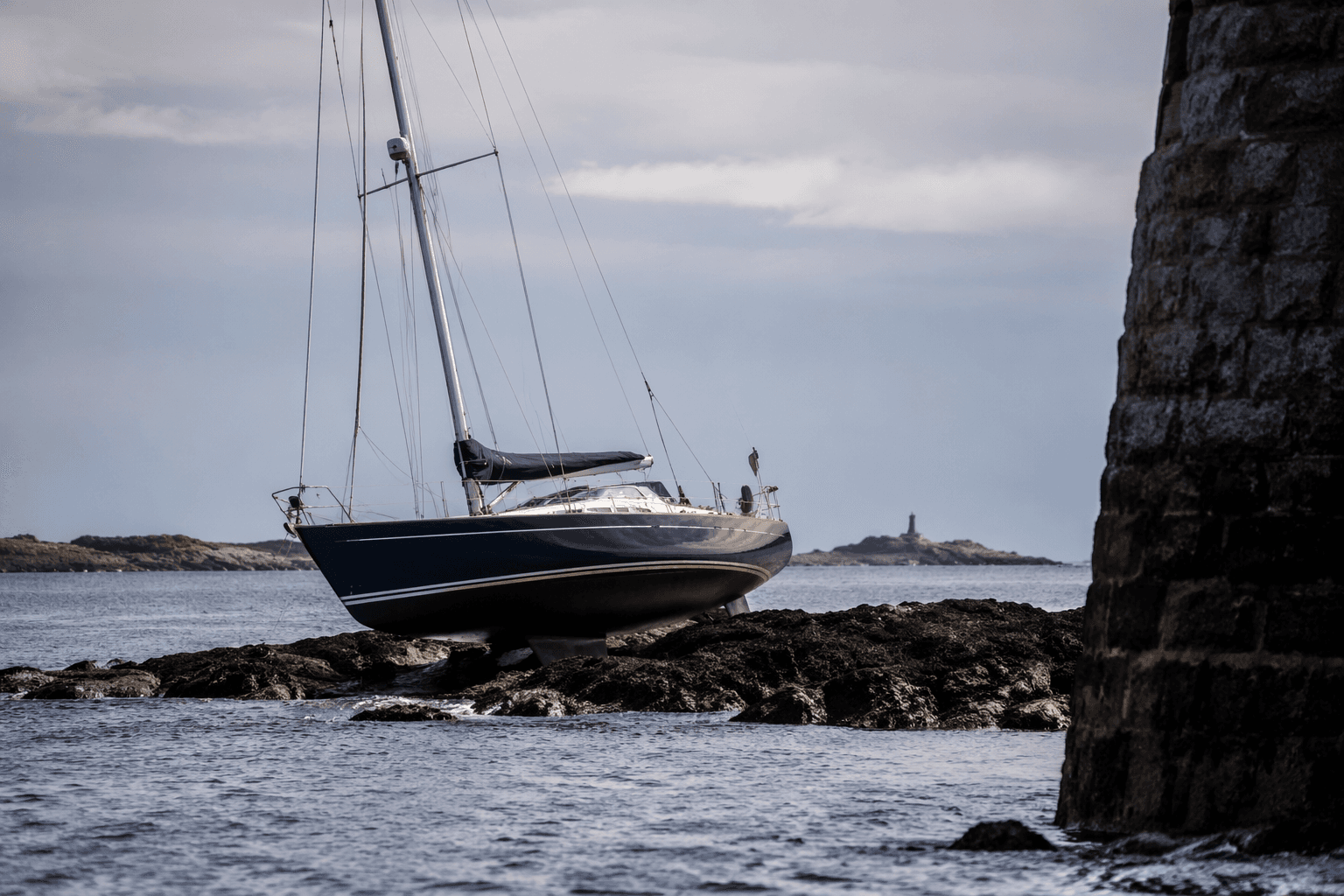
Seaward is the kind of boat that quietly resets assumptions. Call of the Sea’s 80-foot steel schooner became a floating classroom in 2006 and has spent years serving youth sailing and marine education programs in the Bay Area. In Latitude 38’s archive, the vessel is presented as a living example of durable non-teak construction, with fir decks standing in for teak not as a compromise, but as a practical choice that still delivers the look and service life owners want.
That is the lesson for DIY-minded readers: the wood species matters, but so does the job it has to do. Fir, teak, and other timbers can all succeed when the structure, sealing, fastening, and maintenance plan are realistic. The Seaward example is useful because it proves the conversation should not begin and end with teak’s reputation. It should begin with the actual use case, the boat’s structure, and the kind of service life the owner needs.
- Does the timber need to survive constant weather exposure, or mostly interior use?
- Will matching the original look matter more than sourcing ease?
- Can the same appearance be achieved with a wood that is easier to document and replace?
- Will the material hold up in a way that reduces future repair work?
For a working boat or a refit project, that means asking harder questions:
Those are not abstract questions. They are the questions that determine whether a deck, cap rail, or furniture package becomes a long-term asset or a sourcing headache.
What the legal reset means for refits and replacement parts
The real change for owners is that sourcing has become part of maintenance. A refit is no longer just a matter of finding the right grain, the right width, or the right finish. You also need to know where the timber came from, whether it can be documented properly, and whether the supply chain is stable enough for future replacement parts.
That is especially important in yacht interiors and deck repairs, where one missing component can force a whole match-up problem. If a builder or owner can no longer verify a tropical hardwood source, the practical answer may be to switch to a different species or a different construction detail altogether. The result can be less risk, fewer delays, and a better chance of making future repairs without chasing rare stock.
The Myanmar teak trade adds more context. Independent reporting says concerns intensified after the 2021 military coup, when the teak trade became more closely associated with sanctions evasion, conflict, and illicit revenue. Advocacy groups have even described Myanmar teak as “blood teak” because of alleged links to illegal logging, conflict, and human-rights abuses. Whether a given plank is beautiful is no longer the whole story. The origin story now matters too.
How to judge traditional wood versus modern substitutes
For DIY boat owners, the smartest way to look at the issue is not “teak or not teak,” but “what material best balances appearance, legality, serviceability, and long-term upkeep?” Teak still has a place. Its reputation for durability and weather resistance is well earned. But the Seaward example shows that fir can deliver the visual result and long wear without leaning on teak as the only respectable choice.
- Documentation first: If the wood cannot be traced cleanly, the job can become a liability, not a win.
- Maintenance burden: Choose the option that fits the amount of upkeep you will actually do, not the one that sounds most traditional.
- Replacement reality: A material that can be sourced again later is often better than a scarce one that is hard to match.
- Longevity in service: Beautiful wood that fails early is expensive in the long run, no matter how good it looks on launch day.
- Compliance: For any boat that touches the EU market, due diligence is not optional.
When you are comparing a traditional timber against a modern substitute, focus on these practical points:
That is why the most important shift in yachtbuilding is not purely aesthetic. It is structural and administrative. Builders and owners now need to think like custodians of a supply chain as much as caretakers of a vessel.
Teak will not disappear from yachtbuilding overnight, but it is no longer the unquestioned default. Between the Seaward example, the Koru settlement, and the tougher legal climate around timber, the smartest builds will be the ones that treat material choice as a complete package: beauty, legality, durability, and the ability to keep the boat in service without chasing impossible replacements later.
This article was produced by Prism’s automated news system from verified source data, official records, and press releases, then run through automated quality and moderation checks before publishing. The system is built and supervised by the people who set the standards it runs under. Read our full AI policy.
Know something we missed? Have a correction or additional information?
Submit a Tip