Tiered Boat Maintenance Plan: Daily, Hourly and Long-Term Service
A tiered maintenance plan was released to simplify daily, hourly and long-term boat care, helping owners prevent failures, protect resale value and stay safe at sea.
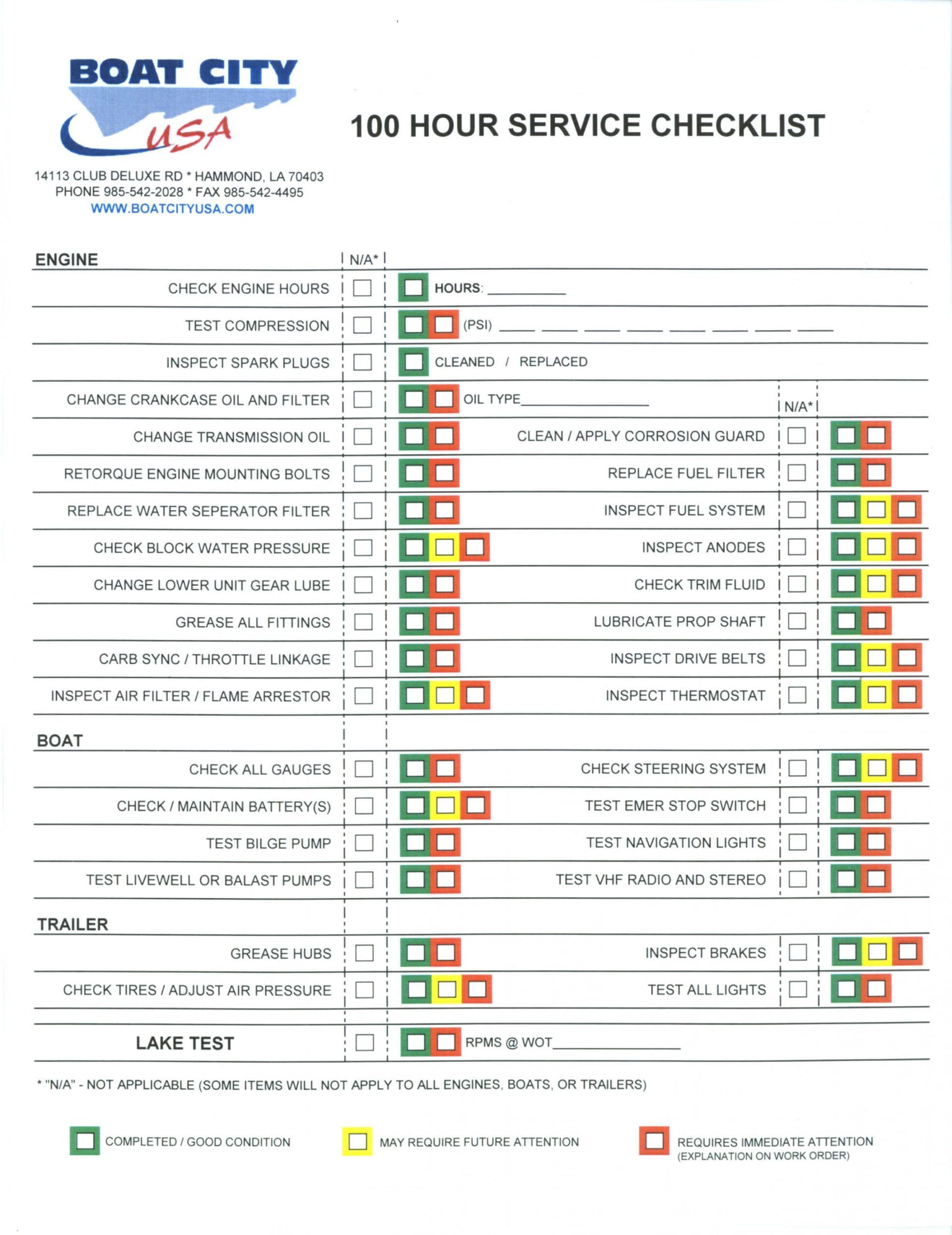
A clear, tiered maintenance plan was released on January 29, 2026 to give boat owners a practical schedule for keeping vessels seaworthy. The plan groups actions into daily or pre-trip checks, engine-hour milestones and longer-term servicing so owners can prioritize tasks, avoid major breakdowns and protect resale value.
Daily and pre-trip checks focus on safety and immediate reliability. Verify fuel and oil levels, secure battery connections and confirm bilge pumps and float switches operate. Inspect seacocks and through-hull fittings for tightness and leaks, test navigation lights and instruments, and ensure lifejackets, flares and fire extinguishers are aboard and in date. For sailboats, walk the rigging and check standing rig tension and chafe points; for powerboats, listen for unusual vibration or exhaust changes during startup. These quick checks take minutes but catch faults that otherwise become weekend-ruiners or emergency situations offshore.
The second tier links maintenance to engine hours rather than calendar time. Routine tasks tied to engine hours include oil and filter changes, fuel filter replacements, cooling-system inspections and seawater pump checks. Using engine hours to pace service helps owners avoid missing work when a boat sits idle for weeks, since running hours more directly reflect wear. Owners are encouraged to log hours precisely and note conditions - high-load runs and prolonged idling affect service timing differently than coastal cruising.
Long-term service covers haul-out work, anode replacement, complete electrical and fuel-system overhauls, and engine or transmission major services. Scheduling these items prevents corrosion-related failures and preserves resale value. Regular bottom inspections, zinc replacement and propeller shaft alignment reduce drag and fuel burn. A standardized long-term calendar helps when prepping a boat for season launch or a planned voyage beyond coastal waters.

The plan emphasizes record-keeping and proactive action. Keep a simple maintenance log with dates, engine hours and items serviced. Photographs of wear points - chafe on halyards, corrosion on battery terminals, or worn hose clamps - simplify diagnosis and make it easier to explain issues to a mechanic or buyer. Proactive maintenance also reduces the risk of being stranded or needing emergency haul-out, which carries higher costs.
For the local sailing community this framework means fewer preventable call-outs and safer days on the water. Adopt the daily checklist, tie routine work to engine hours, and plan long-term services before small problems grow. Consistent logs and timely preventive work keep your boat ready, protect resale value and let you spend more time sailing and less time fixing.
This article was produced by Prism’s automated news system from verified source data, official records, and press releases, then run through automated quality and moderation checks before publishing. The system is built and supervised by the people who set the standards it runs under. Read our full AI policy.
Did this article answer your question?