Why OEM marine parts matter more than the cheapest substitute
A cheap near-fit part can turn a dockside repair into a sea-going failure. The smart buy is the one whose number, model, and year match the boat exactly.
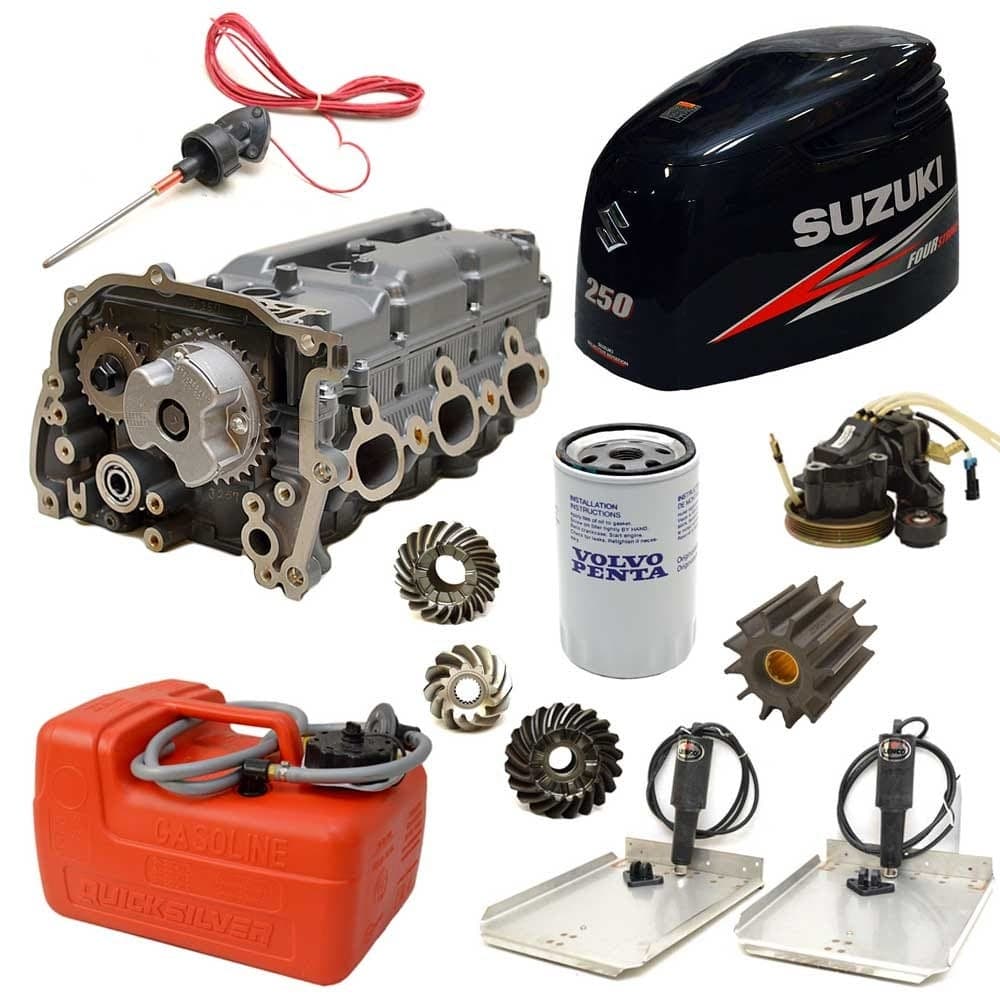
A replacement part that looks close enough on the bench can become a very expensive mistake once the engine is asked to work under saltwater, vibration, moisture, and continuous load. On boats, a mismatch is not a driveway inconvenience; it can become an on-water failure in cooling, fuel delivery, ignition, or lubrication.
Why marine parts are different
West Marine distinguishes generic parts from marine engine components because the environment is different from a car or truck. That environment punishes weak tolerances and poor materials, so the cheapest substitute is not automatically the bargain it appears to be. That is why the right part number matters so much, especially when the job is tied to propulsion or to a system that keeps the engine alive.
What OEM actually means
OEM stands for Original Equipment Manufacturer and refers to a part built to the exact specifications of the company that designed the engine or component. In practical terms, that is the difference between a part that merely fits and a part that is engineered for the same job the original was designed to do.
Mercury Marine’s Quicksilver line is a good example of why the label on the box can be misleading if you do not look further. Mercury sells Quicksilver parts alongside Mercury-branded parts on its own pages and states that Quicksilver products are OEM-quality, fit and function as well as original components for many major marine brands, and meet the warranty requirements of most marine engine manufacturers. Quicksilver’s heritage goes back to 1950.
When paying for OEM is the safer call
For the parts that keep the boat moving and the engine alive, exact specifications are worth real money. A wrong match can strand you or force a second repair after the first one fails. For critical engine systems, an OEM part or a proven OEM-equivalent eliminates uncertainty.
Mercury’s limited warranty covers defects in material and workmanship, with factory-backed coverage handled through dealers, and Product Protection can extend coverage for qualifying Mercury and MerCruiser engines for up to eight years.
When a proven aftermarket part makes sense
Aftermarket is not the enemy, but it has to earn its place. West Marine identifies Sierra Marine as the world’s largest aftermarket marine parts supplier and presents it as an OEM-equivalent option. Mercury positions Quicksilver as a premium aftermarket line for Mercury engines and drives, plus many other popular marine and powersports brands.
The key is not whether the package says OEM, aftermarket, Mercury, Quicksilver, Yamaha, or Sierra. The key is whether the part is explicitly matched to the engine and the application, and whether the seller can show that the replacement is built to the needed specification.
How to verify the fit before you order
Yamaha advises owners to reconfirm the model, model year, and part number with an authorized dealer before ordering. That advice matters because even experienced owners can mis-order service kits, spark plugs, thermostats, or water pump components when the listings look almost identical.
Before you buy, check the details that actually decide whether the part belongs on your engine:
- the exact OEM part number
- the engine model
- the model year
- whether the listing is for the original brand, Quicksilver, or another OEM-equivalent line
- whether an authorized dealer or parts desk confirms the match
The box alone is not enough. Mercury’s use of Quicksilver on its own parts pages shows how branding can shift without changing the underlying factory match, so the number and the application matter more than the color of the packaging.
Why this is more than a parts counter issue
The U.S. Coast Guard Boating Safety Division’s mission is to reduce loss of life, injuries, and property damage on U.S. waterways. Its Product Assurance Branch investigates consumer complaints and tracks recalls and safety defects.
This article was produced by Prism’s automated news system from verified source data, official records, and press releases, then run through automated quality and moderation checks before publishing. The system is built and supervised by the people who set the standards it runs under. Read our full AI policy.
Know something we missed? Have a correction or additional information?
Submit a Tip