West Marine guide says size alternators to battery banks first
The wrong alternator upgrade can cook belts, batteries, and budgets. West Marine and Balmar both say the safe order is simple: size the bank, then the alternator.
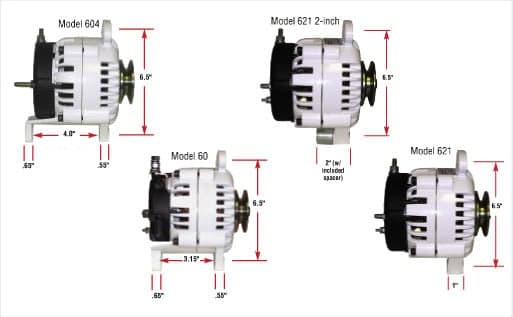
Lithium, refrigeration, inverter loads, and a full electronics suite can turn a stock marine alternator into the weak link in the whole charging chain. West Marine refreshed its guide on June 24, 2026, and the smarter move is to size the charging system around the battery bank first, then choose the alternator to match.
Why the factory alternator stops being enough
A factory-installed alternator usually has one easy job: keep a starting battery topped off. That is a very different workload from what a cruising sailboat asks for after a refit. Electronics, pumps, lighting, refrigeration, navigation equipment, trolling motors, and other onboard accessories drain power fast and need to be replenished while the engine is running.
That is where guesswork gets expensive. If the house bank is larger, the charging demand is larger too, and the alternator has to live with that reality for hours, not minutes. Bigger is not automatically better, because the wrong alternator size can create new failures instead of solving old ones.
Start with the battery bank, not the output number
The first question is not how many amps the alternator can advertise on a sticker. It is what chemistry the bank uses, how large it is, and what charging profile it expects. The alternator has to be matched to battery chemistry, battery-bank size, engine mounting configuration, belt-drive system, wiring capacity, and charging profile, because all of those pieces decide whether the system charges cleanly or fights itself.
That matters even more on lithium-equipped boats. ABYC’s E-13 standard is the lithium-ion battery standard for boats, and ABYC updated E-11 and E-13 in 2025. Lithium banks can accept high charging current for long periods, which is exactly why a setup originally sized around lead-acid assumptions can end up stressing belts and heating the alternator harder than expected.
The alternator is only one part of the chain
A charging system has real parts: the drive belt, the alternator, the diodes, the voltage regulator, and the battery bank. The engine spins the belt, the regulator controls output, and the system self-regulates within limits, which means alternator sizing is never just about peak amperage.
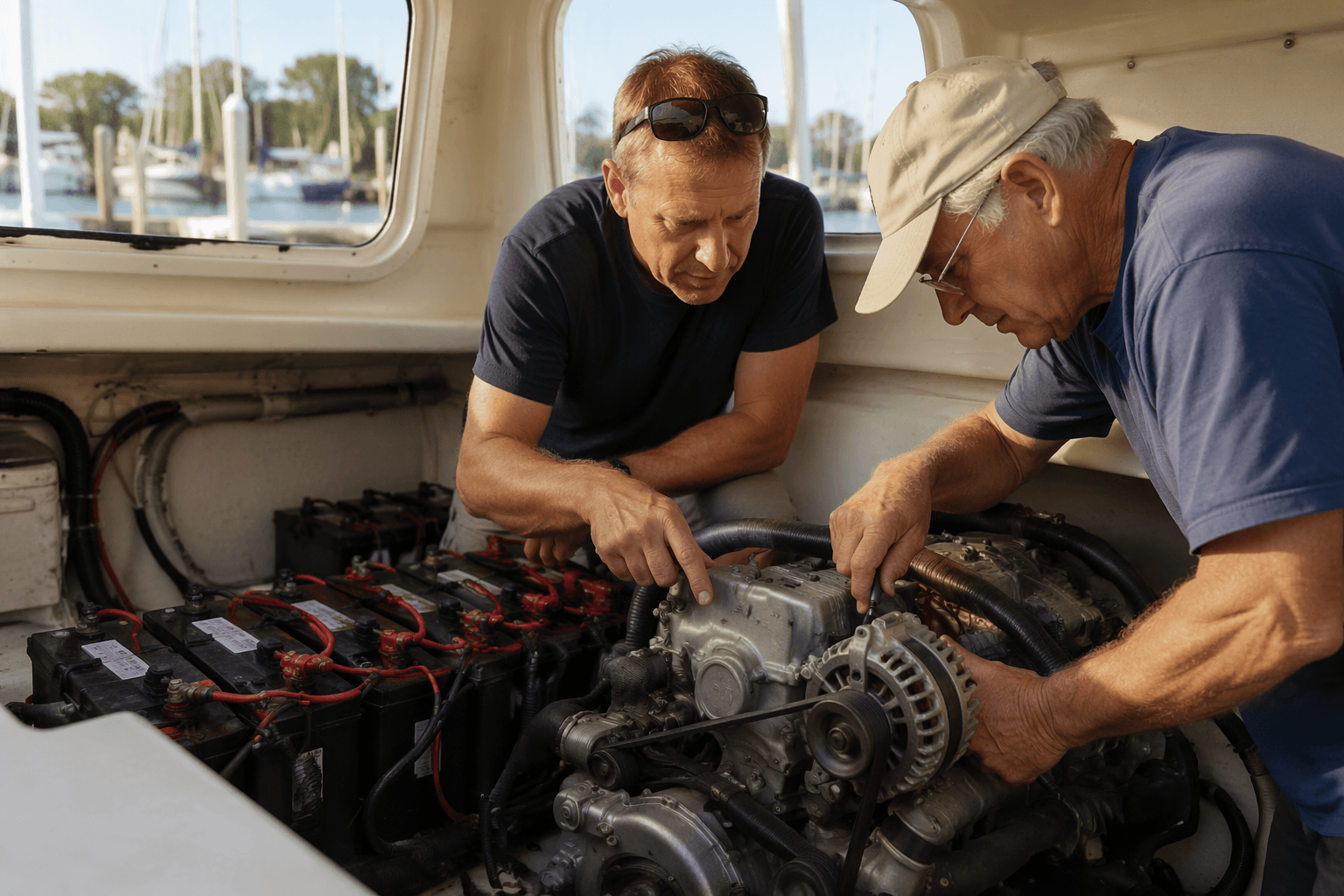
That detail explains a lot of the failures sailors see in the wild. A small alternator pushed to maximum output for hours can overheat and wear out early. A very large alternator can be just as troublesome if the belt-drive system, wiring, and cooling provisions were never built for it.
Use a sizing sequence that matches the boat you actually sail
A selection process that Balmar lays out starts with determining your vessel’s electrical load, then identifying the existing battery-bank technology and capacity, before moving on to alternator output, mounting style, belt and pulley requirements, and any additional charging options.
A high-output alternator may require larger battery cables. Balmar’s installation manual also covers belt size requirements, alternator heat, grounding, pulleys, and alternator-to-battery ratios, which is exactly where many upgrade plans go sideways. If the alternator is larger but the cables and belt system are still sized like a stock installation, the bottleneck just moves downstream.
Why this is a moving target, not a one-size answer
ABYC has been developing marine safety standards since 1954, and its standards library now includes 84 standards and technical information reports. E-11 covers AC/DC systems, E-13 covers lithium batteries, and both were updated in 2025.
Amperage alone does not tell the story. The charging profile, the battery chemistry, the belt load, the wiring, and the heat all have to line up if the system is going to work offshore and at anchor without turning into a maintenance project.
This article was produced by Prism’s automated news system from verified source data, official records, and press releases, then run through automated quality and moderation checks before publishing. The system is built and supervised by the people who set the standards it runs under. Read our full AI policy.
Know something we missed? Have a correction or additional information?
Submit a Tip