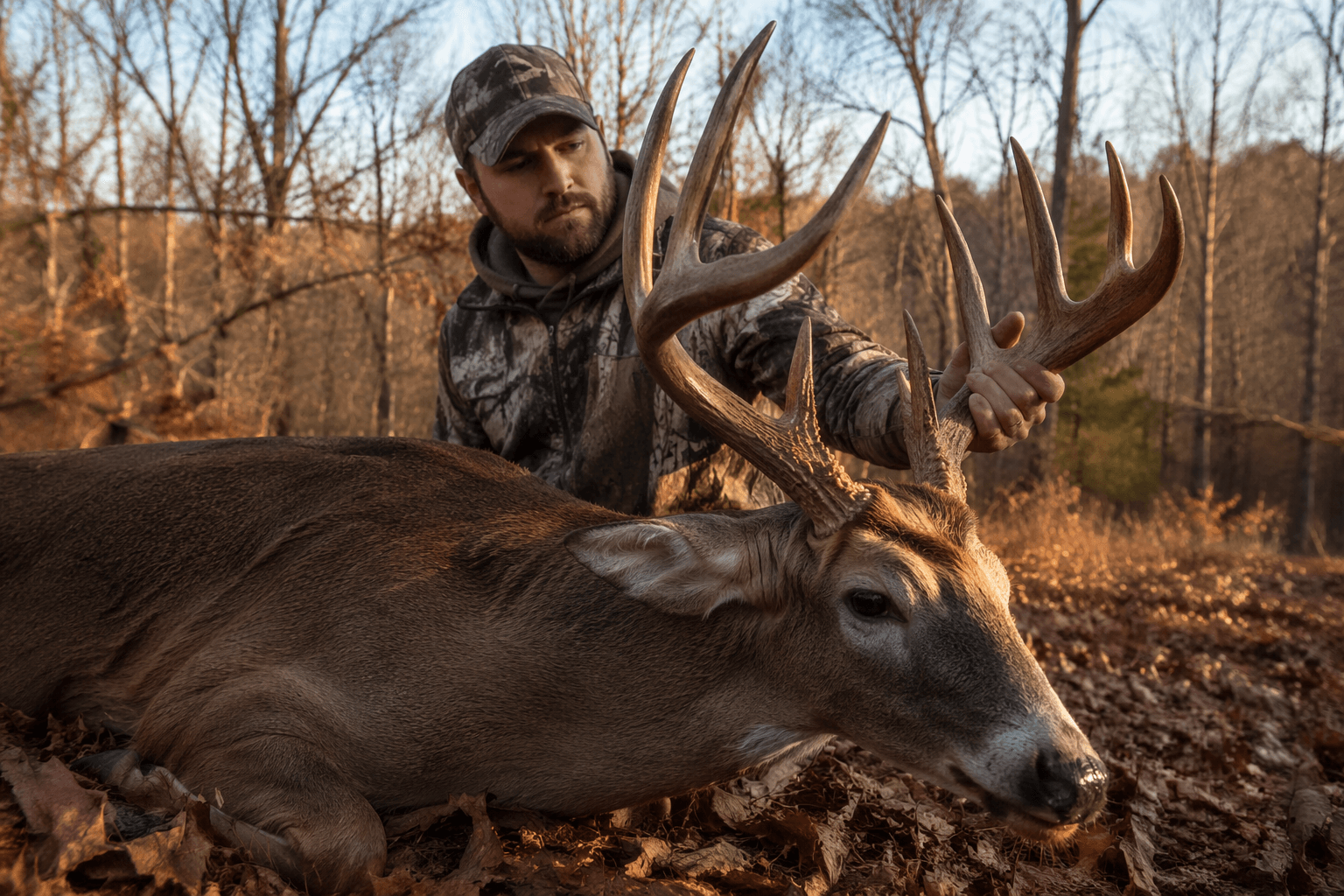
Deer antlers regrow with memory of old injuries, study says
A deer’s old antler wound can return as the same extra tine years later, giving shed hunters a clue to the buck’s injury history.
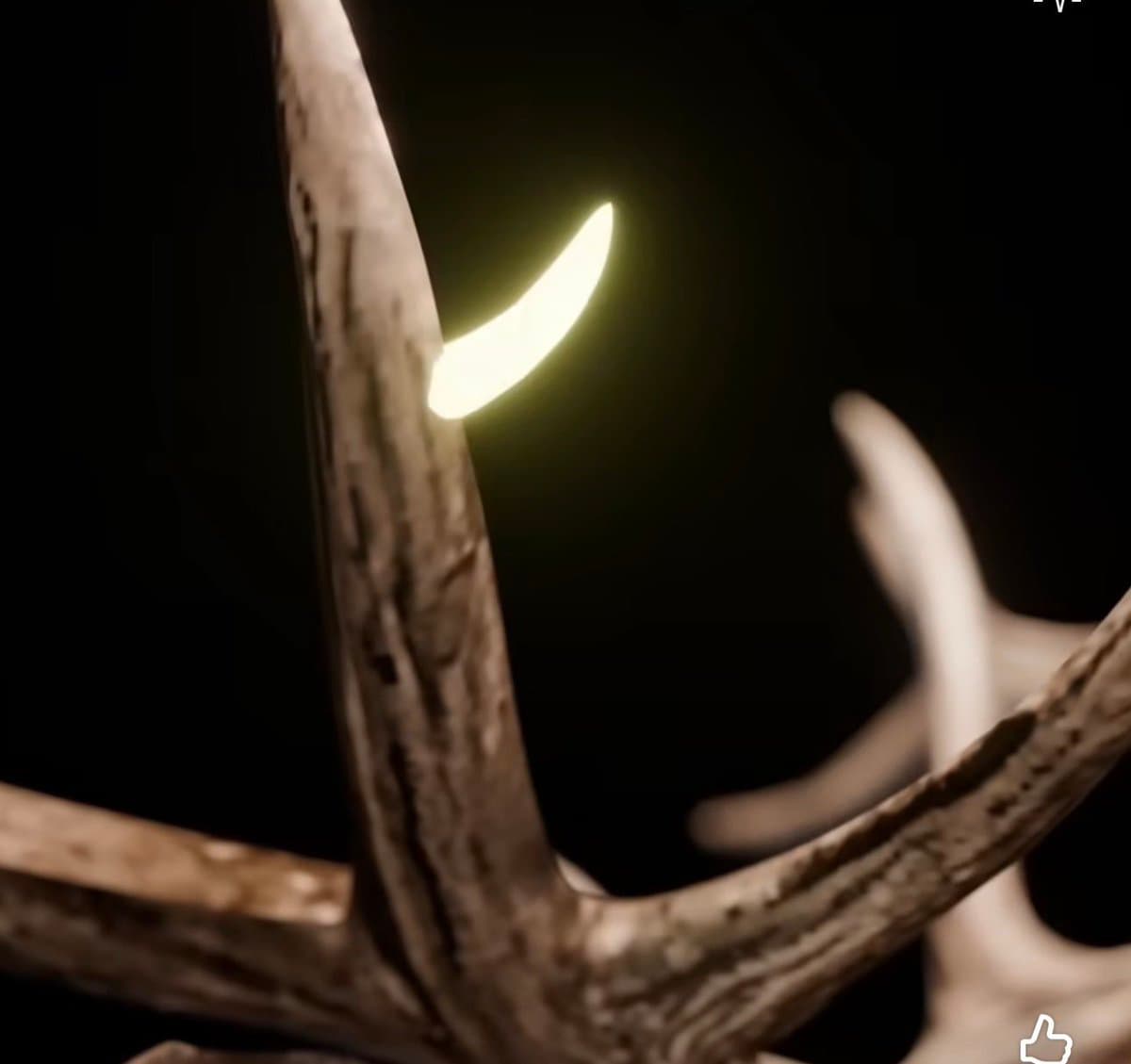
Michael Levin’s Jan. 19, 2024 post put a strange antler pattern back in the spotlight: an injury on one year’s rack can reappear the next season as an ectopic tine in the same exact spot. For shed hunters, that means a weird brow tine or forked beam is not always random; sometimes it is a fingerprint of an old hit, cut, or break.
The example Levin highlighted came from decades of work by Anthony B. Bubenik and George A. Bubenik, who studied antlers from the 1960s through the 1990s. Their records showed that when damage occurred at a particular point on a branched antler, the next year’s regrown rack could reproduce that defect in the same location. Levin says the pattern can fade after a few years, with later racks returning to normal.
That kind of recurrence is one reason deer antlers keep drawing biologists back. They are the only known mammalian organ that can fully grow back naturally after being shed, and the growth rate is extreme. A 2004 review put some antlers at more than 2 cm per day, while Levin’s 2024 post described growth of 1 to 1.5 cm per day. The rebuild is not just bone, either. Antlers regrow bone, blood vessels, nerves, and velvet skin, then shed and start over again in a cycle tied to reproduction and controlled by sex steroids.

The bigger biological argument got sharpened in a 2014 paper by Levin, Daniel Lobo, Mauricio Solano, and George A. Bubenik. Their work framed antlers, along with planarian worms and fiddler crabs, as systems that can solve an inverse problem: a localized injury can change the final target shape in a stable, repeatable way. In plain terms, the body does not just heal the break. It seems to store some information about where the break happened and uses it when the next structure grows.
That is why the Bubenik antler collection matters so much. Levin described it as uniquely valuable because it captured years of individual deer tracked before and after injury, with shed antlers preserved along the way. For anyone who spends fall and winter sorting through piles of bone in the truck bed, the lesson is hard to miss: a strange tine may be more than a one-off oddity. It may be the antler telling the story of an old wound that the deer carried into the next season.
This article was produced by Prism’s automated news system from verified source data, official records, and press releases, then run through automated quality and moderation checks before publishing. The system is built and supervised by the people who set the standards it runs under. Read our full AI policy.
Did this article answer your question?