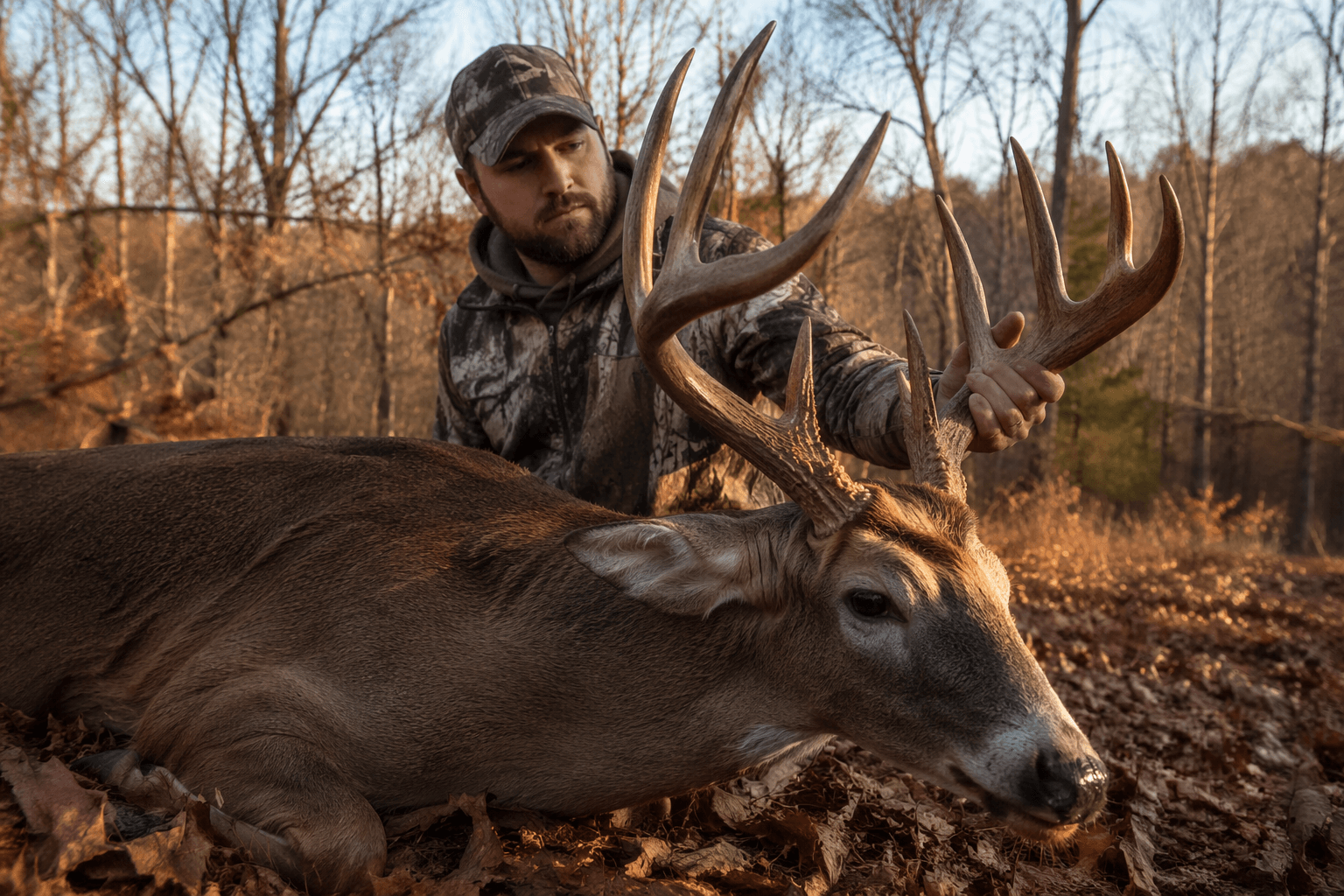
Shed hunting helps Carolina hunters scout bucks and stay in the woods
Shed hunting is a scouting tool, not just a walk in the woods. Every shed can point to surviving bucks, winter bedding, and where to set up when next fall opens.

In the Carolinas and anywhere else deer hold tight to winter cover, sheds from a mature buck that vanished during the season are working clues for camera placement, access routes, and next season’s stand plan on the same ground. The best shed hunters are reading a winter map, one drop at a time, and using every find to figure out which bucks made it through the season, where they fed, and where they spent daylight when pressure eased off.
Shed hunting as scouting, not chance
A good shed pile tells you more than whether a buck was there. It tells you how he moved after the season tightened up, what cover he trusted, and which food source kept him close enough to leave an antler behind. Kyle Schwabenbauer’s message is simple: the hunters who keep after it get better because they stop wandering and start recognizing the same sign that matters during fall hunting, like travel patterns, bedding cover, and food sources.
Why persistence matters
Most hunters try shed hunting once or twice, come up empty, and decide they are bad at it. Schwabenbauer pushes back on that thinking. Shed hunting rewards repetition because the landscape starts to make sense only after you have walked enough of it to see the same ridges, funnels, bedding thickets, and edge transitions over and over.
Instead of treating a shed hunt like a lucky stroll, you start checking the same escape cover, bench lines, creek crossings, and secluded feeding areas with a purpose. The more often you do it, the more likely you are to connect a shed to the exact kind of late-winter movement that tells you where a buck will likely show up again when conditions change.
What the antlers are telling you
White-tailed deer antlers are fast-growing bone tissue that begin growing in spring and are shed in winter. That timing is why shed hunting belongs in the late winter and early spring window, after antlers have dropped and before the woods green up so much that sign gets harder to spot.
The antlers themselves are only part of the clue. Winter deer diets often include evergreen material, dry leaves, and dormant buds. In lean months deer spend more time balancing food and cover, so a shed found near a winter browse pocket, a sheltered slope, or a tight bedding area can reveal exactly how a buck survived the cold stretch.
- Thick bedding cover often marks where a buck spent daytime hours conserving energy.
- Food sign nearby can show where he fed without traveling far.
- Trails crossing between the two usually reveal the exact route worth watching next fall.
When you pick up a shed, look past the antler and into the terrain around it:
The seasonal window is part of the story
Shed hunting sits in the gap between hunting seasons and the next one. In Wisconsin, deer hunting regulations are updated each June or July, and some dates can change through rulemaking or legislation. The Department of Natural Resources’ 2026 deer season calendar shows archery and crossbow opportunities running Sept. 12 to Jan. 3, 2027, with extended archery season continuing until Jan. 31, 2027 in some metro subunits and select Farmland counties.
In some places, shed hunting overlaps with late opportunities, and even where the season is closed, the woods still carry the same lessons. Bucks do not stop moving just because your tag is filled, and the antlers they leave behind can show exactly how they handled the final stretch.
Why the conservation angle matters
State, provincial, and territorial agencies in North America have safeguarded fish and wildlife for more than 100 years. Hunters and recreational shooters have also helped fund that work through the Pittman-Robertson Act, which has distributed more than $18 billion to state fish and wildlife agencies since 1939, according to the National Wildlife Federation.
Shed hunting is one more way hunters stay connected to the same ground they help support through licenses, tags, and conservation funding. It also keeps them engaged with the land in a low-impact way during the part of the year when deer are most vulnerable to winter stress and easiest to misread from a distance.
Using sheds to make better decisions next fall
Buck and doe movements and deer management programs fit naturally with shed hunting. A shed location can help confirm where a mature buck preferred to travel after pressure dropped, and that can sharpen your fall strategy before the next season ever opens.
The best use of a shed is marking the exact spot, studying the terrain around it, and asking what that antler says about the buck that dropped it. Did he favor a secluded bedding pocket? Did he stay close to a browse line? Did he move through a pinch point that will matter again when the leaves come off?
This article was produced by Prism’s automated news system from verified source data, official records, and press releases, then run through automated quality and moderation checks before publishing. The system is built and supervised by the people who set the standards it runs under. Read our full AI policy.
Did this article answer your question?