South Carolina antler measuring sessions help hunters chase record bucks
South Carolina’s measuring sessions can turn a found shed into a record-book entry, with 8,633 antler sets already ranked statewide.
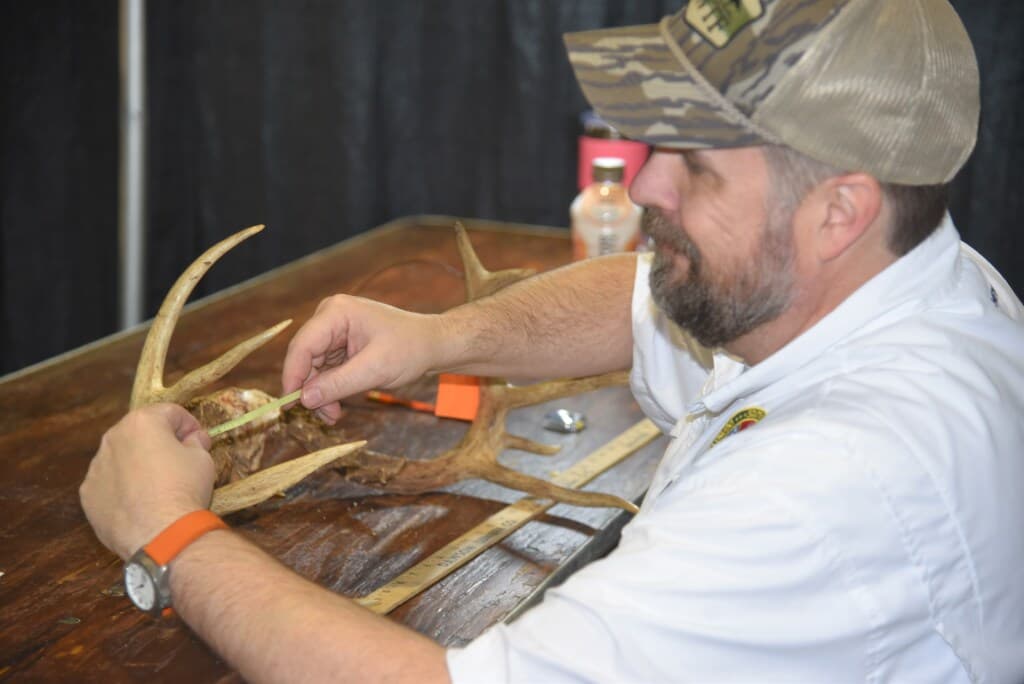
A shed that looked big in the timber can turn into a line in South Carolina’s record book with one trip to a measuring session. That means bragging rights, an official Boone and Crockett score, and a better read on the deer that live where you hunt.
Why a measuring session is worth the drive
South Carolina’s antler records program is not just a trophy wall for giant bucks. The state uses it to recognize outstanding animals and to identify areas that consistently produce quality deer, which helps biologists judge habitat and herd conditions and make management recommendations. For shed hunters, that makes a measured rack more than a conversation piece, it becomes a data point tied to a county, a season, and a buck’s place in the herd.
The size of the list tells you how established the system is. The South Carolina white-tailed deer antler records program began in the spring of 1974, and by 2025 the all-time list had reached 8,633 sets of antlers. That total included 8,294 typical racks and 339 non-typical racks, so there is still room for another overlooked giant to slip in.
Who should bring antlers in
If you found a set this spring, or pulled a skull from a deer you legally harvested, the measuring session is the place to find out whether it is just a nice wall hanger or a potential record-book entry. South Carolina uses a minimum score of 125 net for typical racks and 145 points for non-typical antlers, both measured under the Boone and Crockett system.
Not every set qualifies, and this is where a lot of hunters waste a trip. Velvet antlers cannot be officially measured, repaired antlers do not count, and antlers separated from the skull plate are out. If your deer’s lower jawbone is still around, bring that too, because biologists can use it to estimate age.
What to have in hand before you show up
The paperwork is straightforward, but you need the details. Bring the date and county of harvest, and be ready to sign the fair chase statement. That is the difference between a casual measurement and an official entry.
For a shed hunter, that county detail matters almost as much as the score. A rack tied to Aiken County, Anderson County, or Orangeburg County carries more than inches on a tape measure, because those counties have been especially productive in recent years. South Carolina record deer have been taken in every county, but those three keep showing up in the conversation for a reason.
How the scoring works
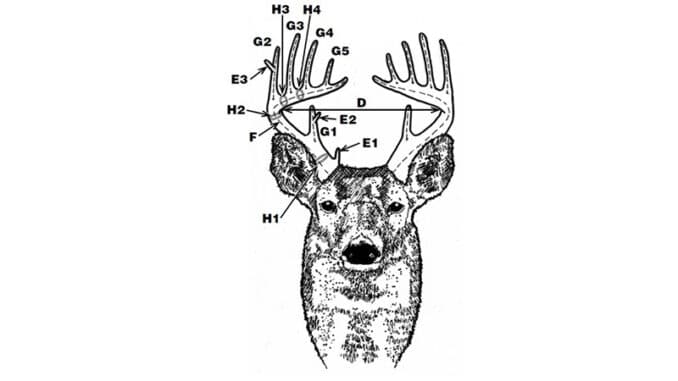
SCDNR measures antlers under the Boone and Crockett system, which keeps the state list aligned with a standard most serious deer hunters already understand. The key entry marks are 125 net for typical racks and 145 for non-typical antlers, so a broad, symmetrical frame can make the list without being a freak-show headgear monster.
That matters for shed hunters who judge antlers by feel long before they ever hit a tape. A heavy eight-point with clean symmetry can beat a messier rack that looks more impressive at first glance. Measuring sessions settle those arguments with a number, and once the score is in the books, it is permanent.
When and where to get them scored
South Carolina runs annual antler scoring sessions each March at many locations statewide, so the schedule is built around the time most hunters are thinking about sheds anyway. A major scoring effort is also held during the Palmetto Sportsmen’s Classic in Columbia, which gives hunters a central shot at getting a rack measured without hunting down a one-off appointment.
If March passes or the event window does not fit your schedule, SCDNR says antlers can also be scored by appointment with a local wildlife biologist. That is the practical route for anyone sitting on a standout shed set from a past season or a recovered skull that needs an official look.
What the county data tells shed hunters
The records list is useful because it tracks more than individual bucks. It shows where quality deer have come from over time, and that is exactly the kind of information shed hunters can use when they are deciding which habitat, parcel, or county deserves more boots next winter.
The 2025 records publication, compiled and produced by Charles Ruth, the state’s deer and wild turkey program coordinator, puts the program in a long-running management context. It is not just about collecting antlers, it is about reading the herd through the antlers hunters bring in. That is why a scored set from a hard-earned spring find can mean something beyond personal pride.
The bigger payoff for shed hunters
The whole system rewards the same instinct that drives shed hunting in the first place: picking up a rack, looking past the shape, and wondering what kind of buck carried it. South Carolina’s measuring sessions give that curiosity a finish line. If your find clears the minimum score and the paperwork is right, it stops being a shed on the shelf and becomes an officially documented part of the state’s deer history.
That is the lure of the March sessions, whether you walk in with a fresh shed, a skull plate, or a buck you still remember well from the season. One good set can turn a quiet find into a number in the record book, and in South Carolina that number has a long way to climb.
This article was produced by Prism’s automated news system from verified source data, official records, and press releases, then run through automated quality and moderation checks before publishing. The system is built and supervised by the people who set the standards it runs under. Read our full AI policy.
Did this article answer your question?