Whitetail antler biology reveals better shed hunting and fall scouting
When antlers tell the clock, shed hunting gets easier and fall scouting gets sharper. This episode turns growth cycles, nutrition, and winter stress into a field calendar.
The best shed hunters do not just cover ground, they read the clock inside the buck. That is the real takeaway from the 55-minute episode "Antlers Are Cool And Other B.S.," where Jason Thibodeau and Dan Johnson use antler biology to connect spring shed hunting with fall scouting. Once you understand when antlers grow, harden, and fall, you stop chasing random sign and start showing up when deer biology makes the odds work for you.
Antler timing is the real scouting edge
Whitetail antler growth is driven by photoperiod and regulated by hormones, which means daylight is the trigger, not guesswork. Antlers generally begin growing in spring, shed velvet around early September, fall off in winter, and start growing again a couple of months later. Most bucks cast their antlers in January to February and begin new ones in March to April, so the calendar matters as much as the cover you are walking.
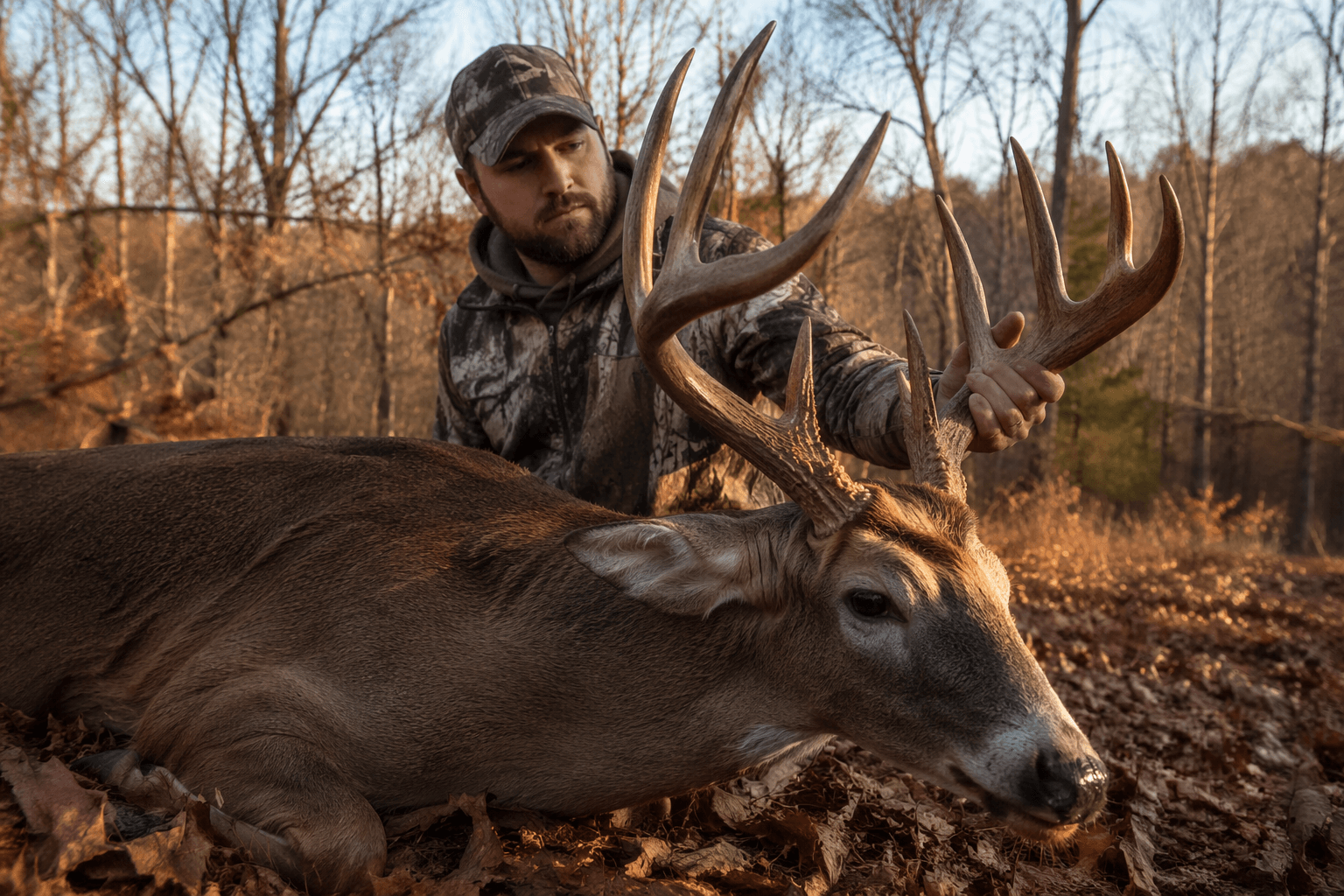
That timing is exactly why the episode leans on month-by-month growth. The show also teases the weird end of the spectrum, like bucks with broken, deformed, or otherwise unusual racks, because those antlers are not just curiosities. They are field evidence of what the deer survived, what it ate, and how much strain it carried through the season.
Growth is fast, but it is not free
The biology behind a rack is more aggressive than most hunters realize. Mississippi State University’s Deer Ecology and Management Lab says antlers can grow as fast as 3/4 inch per week in yearlings and 1 1/2 inches per week in adults during peak growth. Virginia Department of Wildlife Resources puts the pace at about 1/4 inch per day and says antlers are fully developed in about four months.
That speed comes at a cost. Missouri Extension notes that antler growth and casting are energetically expensive, and that antlers reflect nutrition, especially protein and energy levels. It even points out that a dietary protein difference at age 4 can produce a 20-inch difference in antler size, which is the kind of gap you feel immediately when you compare bucks from good habitat with bucks carrying the strain of a tough property.
For shed hunters, that means antlers are not random trophies on the ground. They are a record of how much nutrition a deer had to work with and how hard it had to work to keep up.
What the calendar tells you from spring to winter
If you want to use antler biology as a tool, think in seasons, not just in shed-season hype.
In spring, antlers are just getting started. Increasing day length kicks growth into gear, and the buck is building new bone fast. That is why late spring and early summer scouting can tell you a lot about what kind of deer survived winter in good shape, especially once the new rack starts showing up in velvet.

By late summer, growth is near the finish line. The episode calls out velvet shedding in September, which is the handoff from fast growth to hardening. That is a good reminder for fall scouting: if you are glassing deer then, you are seeing the rack in transition, and the deer is shifting from growth mode to the season that will decide how long it holds that rack.
Winter is when the shed window opens wide. Most bucks cast between January and February, and bucks in good physical condition generally hold antlers longer than nutritionally stressed deer. If you are finding a lot of early cast antlers, that is not just a good shed year, it can be a warning sign that the herd is under pressure or the habitat cannot support the number of deer using it.
Stress shows up in the antlers first
The National Deer Association says early casting can point to poor nutrition, habitat pressure, or other stress. It also says injuries, physical exhaustion from the rut, poor nutrition, or combinations of those factors can cause early antler shedding or missing and broken antlers. That matters because a busted rack is not always a freak show buck. Sometimes it is a deer telling you it was worn down, hit hard, or short on the resources it needed.
The episode’s talk about seasonal osteoporosis and calcium depletion fits that same practical lesson. Late in the year, antlers are not just growing, they are also reflecting what the body has left to give. If the animal is run down, the rack often shows it before anything else does.
How to turn all that into a field plan
Use antler biology to tighten both shed hunting and fall scouting. In practical terms, that means paying attention to body condition, velvet timing, and how early or late bucks are dropping on a given property. A buck that is holding antlers well into winter on good cover is probably telling you the habitat and nutrition are working for him. A property that starts producing early sheds across multiple bucks is telling you the opposite.
A simple field calendar keeps it honest:
- Spring, watch for the first new growth and note which deer came through winter in good shape.
- Late summer, pay attention to velvet shedding and how fast bucks are finishing antler growth.
- Early fall, use antler condition and body condition to narrow down which mature bucks are worth tracking.
- January through February, focus your shed search when most bucks are actually dropping, not when you wish they were.
That is the practical value of the episode. It takes antler biology out of the trivia pile and turns it into timing, and timing is what separates a long walk from a productive one. If you want more fresh sheds and better fall reads, start treating every antler you find like a dated report from the deer itself.
This article was produced by Prism’s automated news system from verified source data, official records, and press releases, then run through automated quality and moderation checks before publishing. The system is built and supervised by the people who set the standards it runs under. Read our full AI policy.
Did this article answer your question?