Amy Bakes Bread debuts sourdough discard croissants with reliable rise
Amy Bakes Bread spent three months testing a 26-hour croissant formula that uses discard and yeast for flaky layers, tang and a steadier rise.
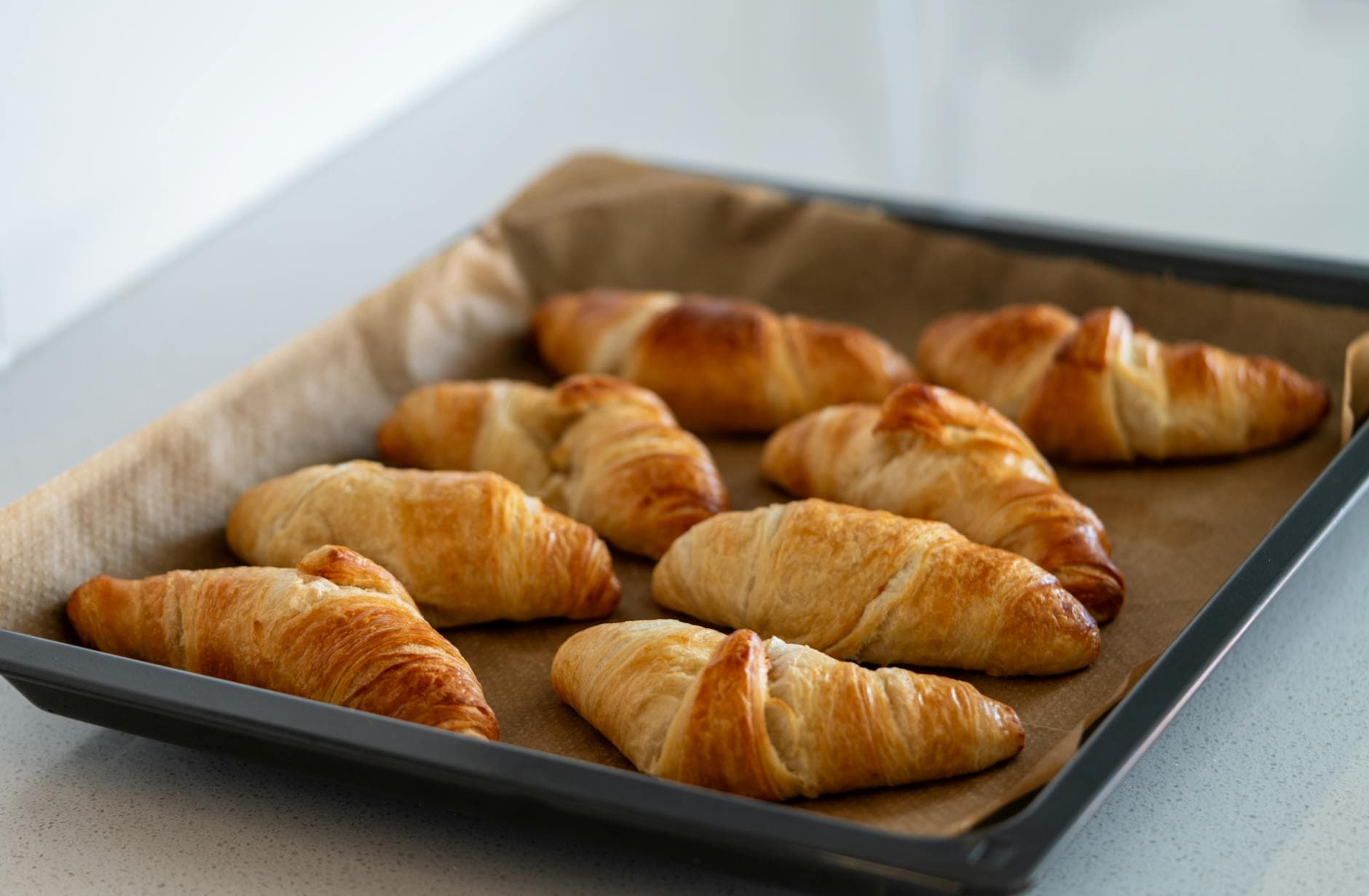
Amy Bakes Bread has put sourdough discard to work in one of pastry’s hardest formats, turning a three-month testing project into croissants with a more reliable rise and the flavor bakers want from starter. Published April 28, the recipe leans on sourdough discard plus a small amount of commercial yeast, a hybrid approach that keeps the dough forgiving while still giving it that familiar tang.
That matters because croissants are already a technical bake before wild yeast enters the picture. The usual laminated dough demands cold butter, clean folds and careful timing. Amy Bakes Bread keeps the classic payoff in view, promising flaky layers, a honeycomb interior and a crisp buttery shell, but the formula is built for home bakers who want bakery-style results without the stress of a fully wild-yeast version.
The timing is still serious. The guide stretches across roughly 26 hours, which makes clear this is not a quick shortcut or a throwaway discard project. It is a structured pastry bake, but one that trades some of the unpredictability of a 100 percent sourdough croissant for a more dependable proof and a better chance of success in a home kitchen.
That compromise lines up with how sourdough discard is now being used more broadly. King Arthur Baking defines discard as the portion removed before feeding a starter, and recent cooking coverage has framed it as an ingredient to use, not toss. In that sense, Amy Bakes Bread turns waste into a premium pastry base, which fits the wider zero-waste trend now showing up in both sweet and savory baking.
The hybrid method also has solid precedent. The Perfect Loaf notes that professional bakers have long used small amounts of commercial yeast in sourdough doughs to improve oven spring and consistency. Croissants themselves carry a similar blend of old and new: the modern laminated version is generally traced back to the Austrian kipferl, then refined by French bakers into the pastry now associated with Paris and the bakery case.
Amy Bakes Bread also points bakers toward variations, including ham and cheese croissants and chocolate versions, which makes the formula feel less like a one-off and more like a base recipe worth repeating. The biggest practical note may be the simplest one: good butter still matters. For home bakers deciding whether discard belongs in croissants, this recipe makes the case that it does, if the goal is more flavor, less waste and a rise you can trust.
This article was produced by Prism’s automated news system from verified source data, official records, and press releases, then run through automated quality and moderation checks before publishing. The system is built and supervised by the people who set the standards it runs under. Read our full AI policy.
Did this article answer your question?