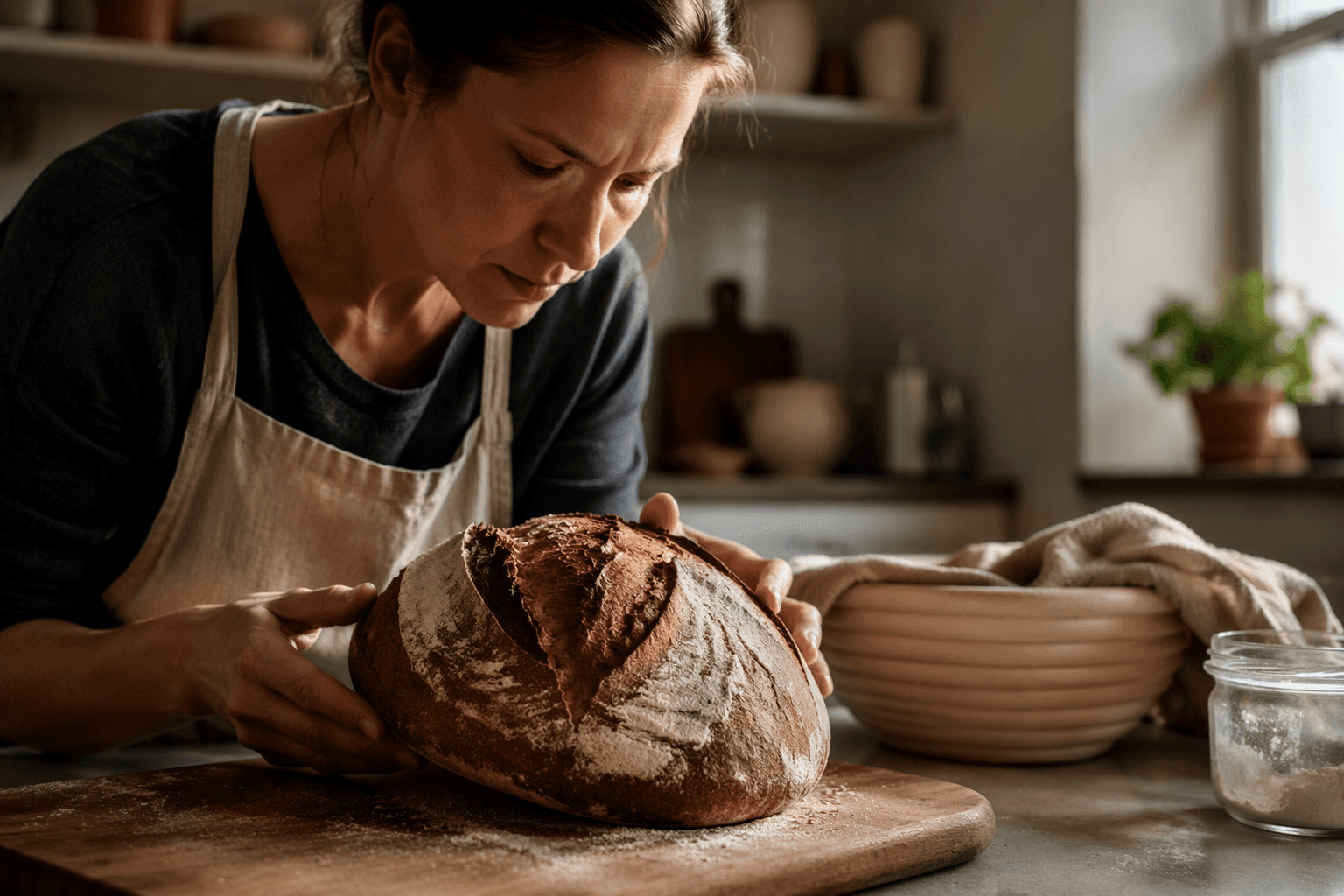
Fast Sourdough Lemon Blueberry Scones, Ready in Under an Hour
These scones turn sourdough discard into a fast spring bake, with lemon glaze and blueberries doing the work in under an hour.
Why this no-rise bake matters
A sourdough starter does not have to mean a loaf, a long schedule, or a counter full of proofing notes. Jessica Vogl’s sourdough lemon blueberry scones on This Jess Cooks are built for the opposite kind of day, the one where you want something seasonal, fast, and worth eating before the coffee gets cold. They are lightly sweet, packed with blueberries, finished with lemon glaze, and ready in under an hour because they need no rise time at all.
That speed is the point. In a sourdough kitchen, discard often piles up right when you do not want to commit to bulk fermentation, shaping, or an overnight plan. This recipe turns that leftover starter into a quick, useful bake that still tastes like it belongs in a real sourdough pantry, not a shortcut drawer.
What makes the texture work
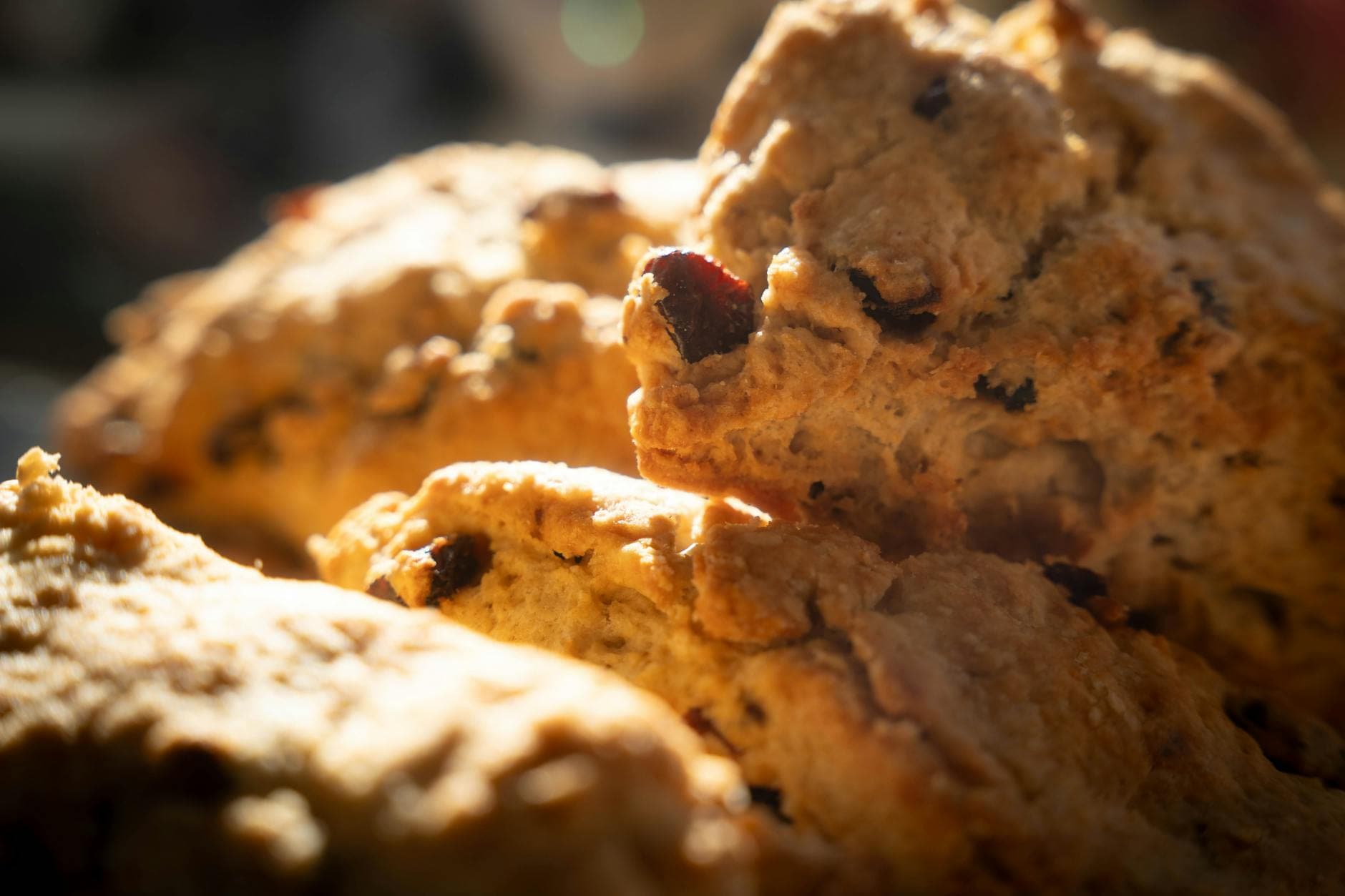
The main challenge in a lemon blueberry scone is keeping it from drifting into muffin territory. These scones are meant to stay in the sweet spot between biscuit and muffin, with the delicately crusty exterior and tender, light crumb that define a good American-style scone. That texture matters more than it sounds, because sourdough discard can bring moisture and tang without making the result heavy if you keep the bake quick and the mix gentle.
Lemon and blueberry also need balance. The blueberries bring bursts of juice, while the lemon glaze sharpens the top without turning the whole thing cakey or soggy. Fresh blueberries are ideal here, but the recipe is practical enough to handle frozen berries too, which helps preserve structure when fresh fruit is not at its peak.
Discard, active starter, and the no-fuss formula
This is the kind of recipe that understands how most home starters actually live. The batter can be made with sourdough discard or, if you prefer, active starter with the yeast omitted. That flexibility is valuable because it lets you use up excess starter without feeding it first and without waiting around for proofing that would defeat the purpose of a quick bake.
King Arthur Baking defines sourdough discard as the portion removed during routine starter maintenance, and that is exactly the use case this recipe leans into. Discard recipes are useful because they do not require feeding or proofing, which makes them especially appealing when you want a fast result from a starter that is already part of your weekly rhythm. In plain terms, this is starter management that produces breakfast instead of extra cleanup.
How to keep the berries bright and the crumb intact
The berry choice is one of the smartest parts of the formula. Fresh blueberries will always give you the cleanest flavor and the least extra moisture, but frozen blueberries are a solid backup, and King Arthur Baking specifically points to them as a workable substitute in many fruity baked goods when fresh berries are unavailable. That matters in spring and beyond, because blueberry season is short and a good discard recipe should not depend on a narrow produce window.
- Use fruit that is cold, especially if you are using frozen berries.
- Mix only until the dough comes together, so the crumb stays tender.
- Keep the glaze on top, where it adds brightness without soaking into the scone.
- Bake these as a same-day treat, not a project that sits around waiting to be “improved.”
A few simple habits help preserve the scone’s texture:
The recipe’s flavor changes are equally easy to live with. If lemon is not the citrus you want that day, the post notes that orange can step in. Berries can shift too, which makes this less of a one-off spring gimmick and more of a base formula you can keep using whenever your starter needs a job.
Why sourdough discard fits the modern kitchen
This is not just a clever way to clear out a jar. It plugs into a bigger food-waste problem that home bakers know well and rarely solve perfectly. USDA says over one-third of all available food in the United States goes uneaten through loss or waste, and it puts the average loss for a family of four at $1,500 a year. A discard bake does not fix that by itself, but it does turn a would-be throwaway ingredient into something that actually gets eaten.
That makes the recipe feel bigger than brunch. It is a small, practical example of how sourdough can be used outside the loaf pan, with less waste and less schedule stress. The fact that the scones freeze well only strengthens that case, because you can bake once and save the extras instead of letting them dry out on the counter.
Where scones fit in the sourdough world
Scones have a much older life than social media baking would suggest. Britannica describes the scone as a British quick bread originally made with leavened barley flour or oatmeal, while King Arthur Baking places American-style scones somewhere between biscuits and muffins, with a crisp exterior and a light, tender interior. That makes this recipe feel less like a trend piece and more like a modern version of a long-running quick-bread tradition.
That history matters because sourdough has a habit of getting boxed into bread loaves and overnight timing charts. A lemon blueberry scone shows the opposite: starter can add character, tang, and structure to a bake that still behaves like a quick bread. On busy days, that is the whole appeal, a seasonal recipe that respects your time and still gives you something worth setting on the table.
The bottom line
Fast sourdough bakes are valuable because they answer a real problem: what to do with active starter or discard when you do not want another loaf on the schedule. These lemon blueberry scones solve that cleanly, with no rise time, an under-an-hour finish, and a flavor profile that stays fresh instead of turning heavy. Lemon keeps the edges bright, blueberries bring the spring feel, and the crumb stays in scone territory where it belongs.
If your starter is ready but your calendar is not, this is the kind of recipe that earns its place on repeat. It is quick, flexible, and practical without giving up the part of sourdough that makes baking with it worth the trouble in the first place.
This article was produced by Prism’s automated news system from verified source data, official records, and press releases, then run through automated quality and moderation checks before publishing. The system is built and supervised by the people who set the standards it runs under. Read our full AI policy.
Did this article answer your question?