Naomy’s Kitchen shares rye sourdough recipe with sprouted flour twist
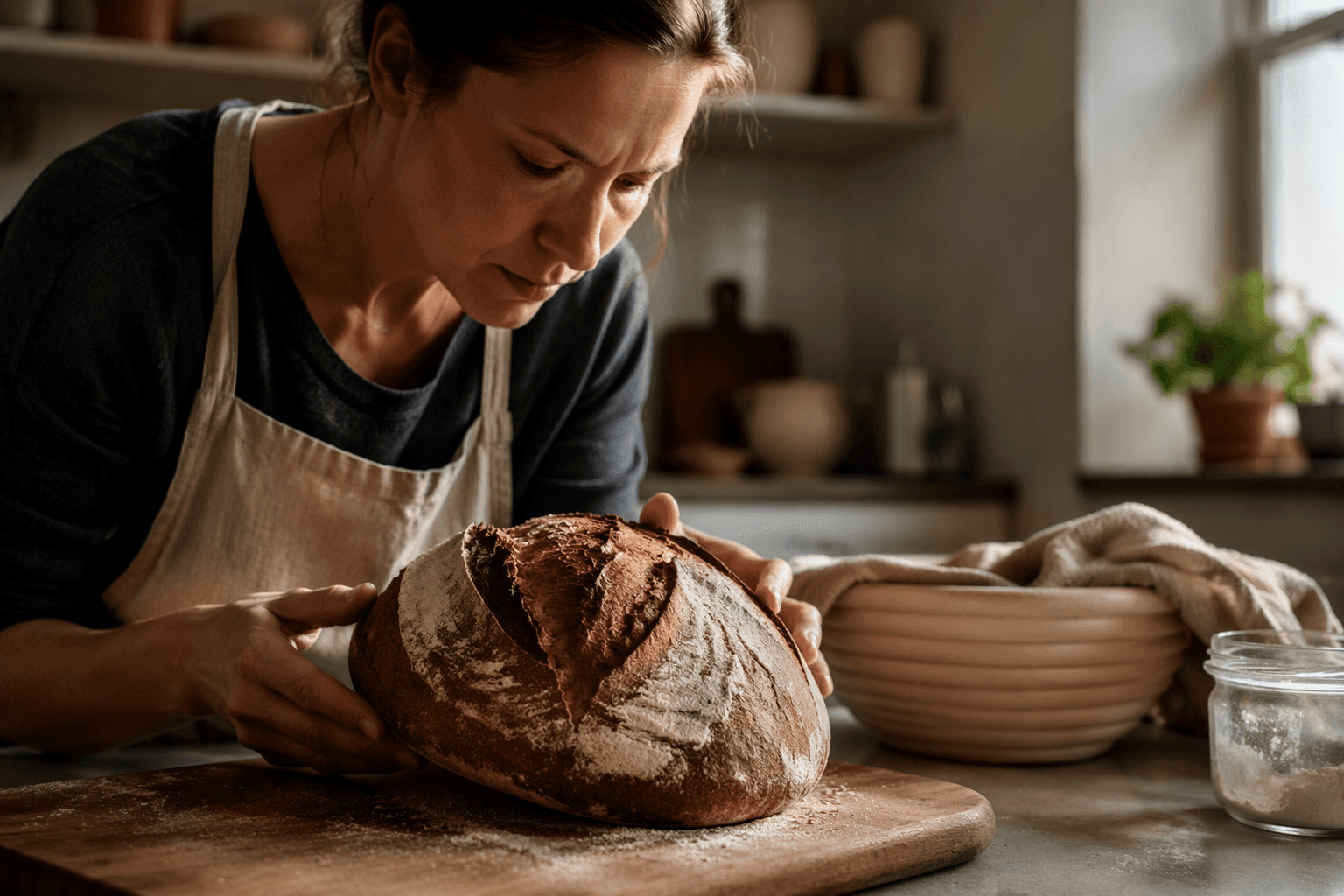
A small dose of sprouted rye changes this sourdough in all the right ways: more sweetness, better rise, and a loaf that stays rustic without turning heavy.
What the sprouted rye twist actually changes
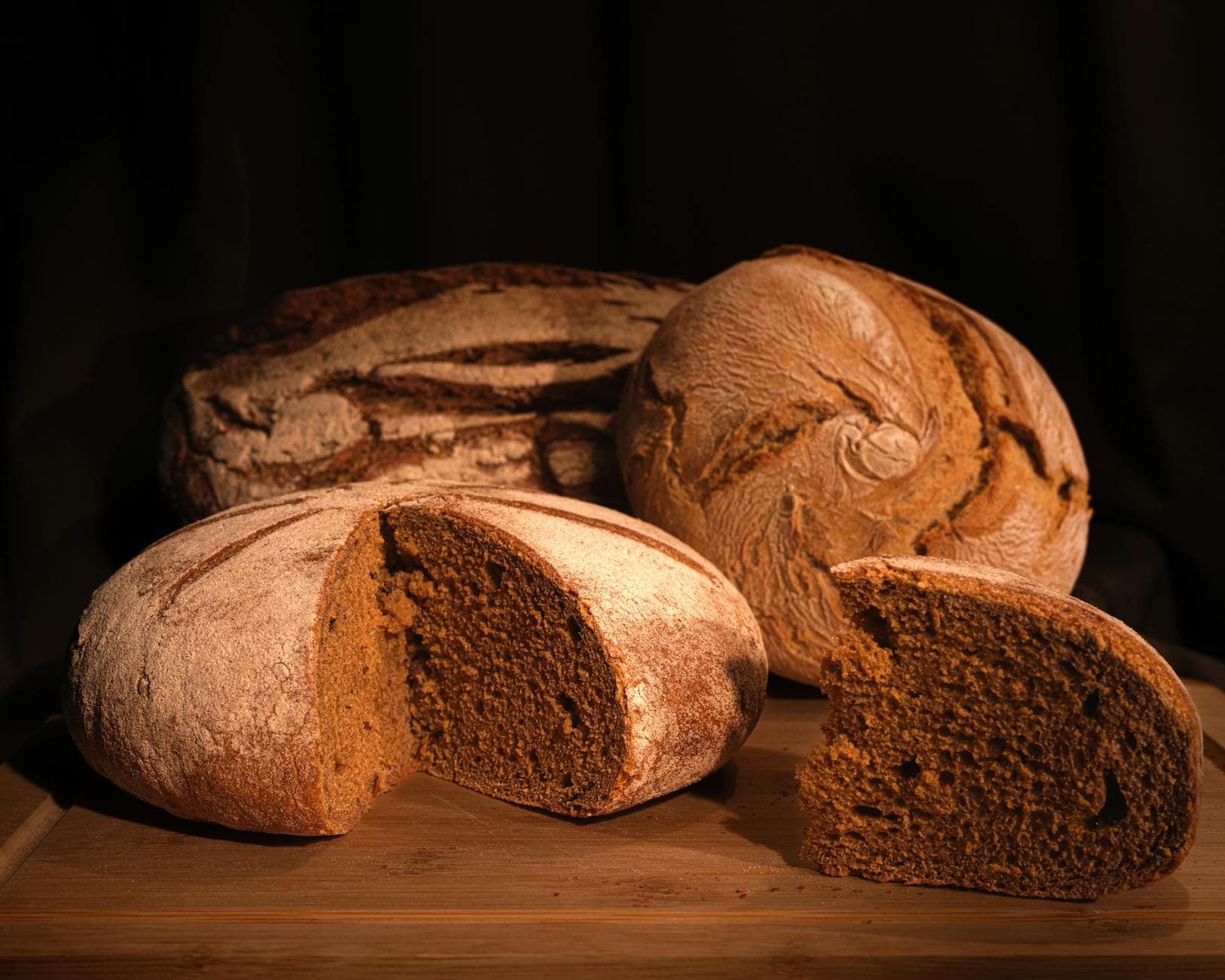
Naomy’s Kitchen takes a rye sourdough and pushes it in a smarter direction: just 5 to 10 percent sprouted rye flour is enough to shift the loaf’s flavor, rise, and feel without erasing the rye character. That small addition matters because sprouted flour does more than add a trendy label. It boosts enzymatic activity, can lend a subtle sweetness, and may help the bread feel a little more digestible, which is exactly the kind of change that makes rye feel less intimidating at home.
This is the key idea to keep in mind: the twist is not there to make the bread “healthier” in some vague way. It is there to make a rustic loaf taste deeper, ferment a little more dynamically, and bake into something that still feels hearty but does not land like a brick.
Why rye behaves so differently from wheat
Rye is not just wheat with a darker personality. In rye dough, a classic three-dimensional gluten network does not form the way it does in wheat dough, and that one fact explains a lot of what home bakers struggle with. Rye flour is high in pentosans, which means it absorbs water quickly and creates a thicker, more viscous dough that behaves very differently from a wheat-heavy sourdough.
That is also why rye bread has long depended on sourdough acidification in Central, Northern, and Eastern Europe. Correct acidification is central to making coarse rye bread come out with good quality, because rye’s chemistry can turn against you fast if the dough is not managed well. Without enough acidity, rye can go gummy, slack, or overly dense, which is why this style asks for more respect than a standard white loaf.
Why the recipe still uses bread flour
The ingredient list is straightforward: active rye sourdough starter, rye flour, bread flour, water, and salt. The bread flour is not filler. It is the structural backup that rye needs, because wheat gluten gives the dough more strength and helps the loaf hold shape as it rises and bakes.
That blend is what makes the recipe approachable. A 100 percent rye loaf can be rewarding, but it is a different animal and usually much less forgiving. By keeping some bread flour in the mix, the loaf can still deliver rye flavor, density, and that deep tangy profile while staying more sliceable and bakery-like.
What sprouted rye adds beyond flavor
Sprouting is doing real work here, not just offering a nuttier marketing story. When grain germinates, enzymes wake up and begin breaking down starches and proteins, and sprouting can also reduce phytic acid. That matters for both flavor and how the bread feels once it is mixed, fermented, and baked.
Research on rye doughs shows that grain germination changes the bacterial community profile of sprouted rye flour, which means the flour itself is not just “different,” it is more biologically active. Another finding is even more relevant to bakers: lactic acid fermentation increased total titratable acidity and dough rise regardless of the flour used. Put those together, and the sprouted rye twist looks less like a cosmetic change and more like a fermentation-sensitive ingredient that can alter the loaf from the inside out.
How to think about fermentation with rye
Rye rewards careful fermentation control. Because the flour absorbs water quickly and does not rely on the same gluten structure as wheat, the dough can move from underdeveloped to overproofed in a way that feels abrupt if you are used to wheat sourdough. That is one reason rye can scare off home bakers, even when they love the flavor.
The practical upside is that sourdough helps make rye workable. Acidity stabilizes the dough, improves quality, and supports the rise you want from a loaf like this. In a recipe with sprouted rye, that balance becomes even more interesting, because the grain has already started changing before it ever meets the starter.
What this loaf is good for
This is the kind of bread that earns its keep across the week. The recipe positions it as something practical and bakery-quality, which fits rye well, since a sturdy slice can handle butter, cheese, smoked fish, soup, or just a thick layer of salted butter. It is also a strong choice for meal prep and family meals because the flavor deepens as the loaf sits, rather than fading after the first day.
For anyone trying to move beyond basic sourdough without leaping straight into a 100 percent rye experiment, this is a clean on-ramp. You get the earthy, tangy depth people love in rye, plus a little sweetness and lift from the sprouted flour, without giving up the structure that makes the loaf easier to serve and eat.
Why rye still feels like a serious bread
There is a long line behind this loaf. The oldest known bread dates to about 14,400 years ago in present-day Jordan, and rye breads have carried their own history across Europe for centuries. That tradition matters because rye sourdough has always been about more than flavor. It is a bread shaped by chemistry, climate, and the need to make a difficult grain behave.
That is what makes the sprouted-flour twist interesting. It respects the old logic of rye, especially the need for acidity and structure, while making the loaf a little more generous to the modern home baker. The result is not a softened version of rye so much as a smarter one: rustic, tangy, and a lot less likely to punish you for wanting something with real character.
This article was produced by Prism’s automated news system from verified source data, official records, and press releases, then run through automated quality and moderation checks before publishing. The system is built and supervised by the people who set the standards it runs under. Read our full AI policy.
Did this article answer your question?