Appalachian Salt-Rising Bread Workshop Pairs Traditional Leavening With Sourdough Basics
Salt-rising bread uses bacteria, not yeast; Genevieve Bardwell's April 10 class in Lewisburg teaches both methods and sends every attendee home with a live sourdough starter.
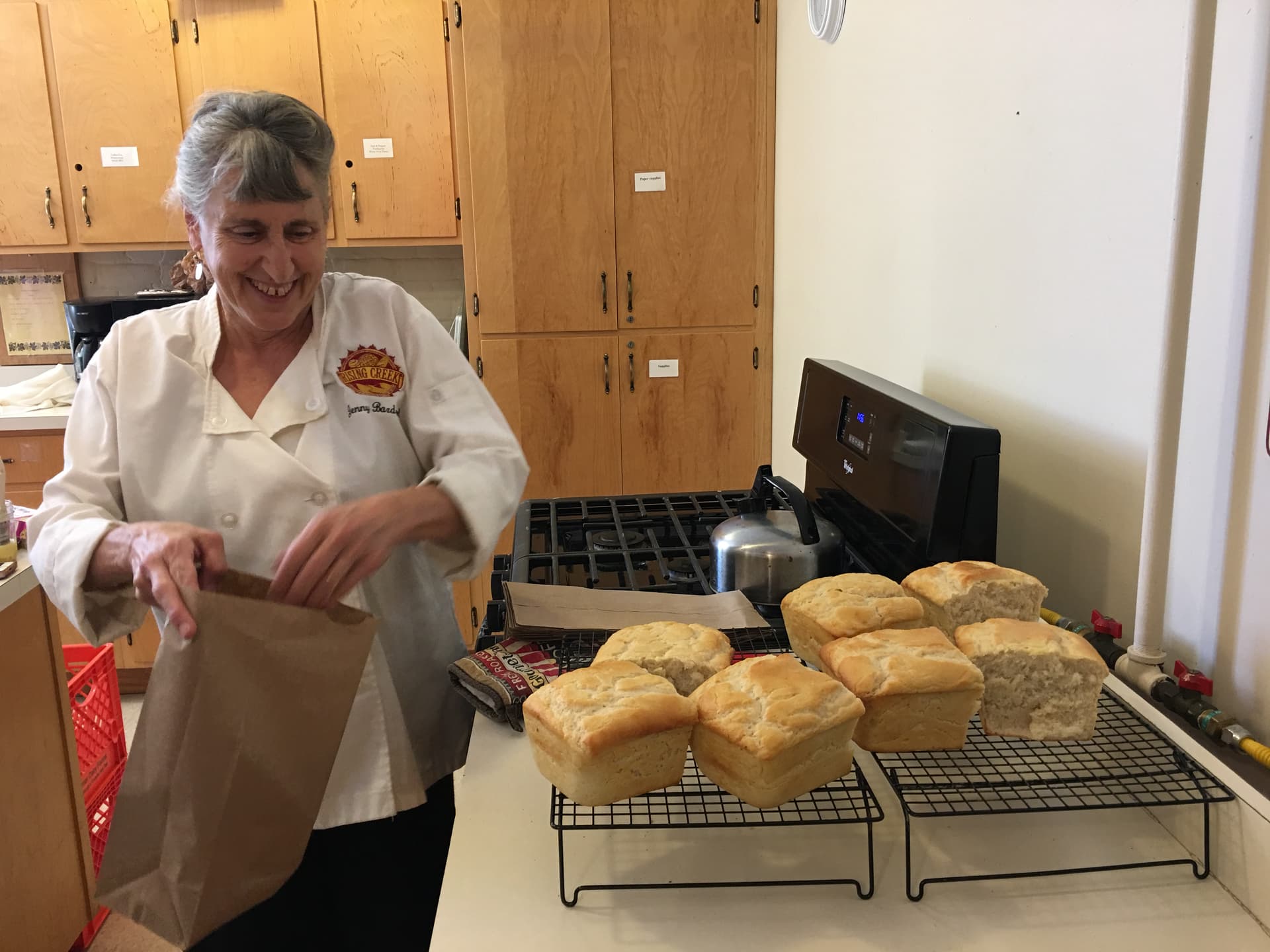
Salt-rising bread is leavened by bacteria, not yeast. That single distinction separates it from every sourdough loaf you've ever baked, and it's exactly why Genevieve Bardwell's upcoming workshop at Carnegie Hall in Lewisburg, West Virginia is worth clearing your Friday for.
Scheduled for April 10, "Baking Salt Rising Bread: An Appalachian Tradition" will walk 12 participants through the same three-stage fermentation process that Appalachian settlers used before commercial yeast existed. Bardwell, who co-authored "Salt Rising Bread: Recipes and Heartfelt Stories of a Nearly Lost Appalachian Tradition" with Susan Ray Brown, leads the class with credentials that cross culinary and scientific lines: she trained at the Culinary Institute of America and brings a background in plant pathology to her research into wild-microbe breads.
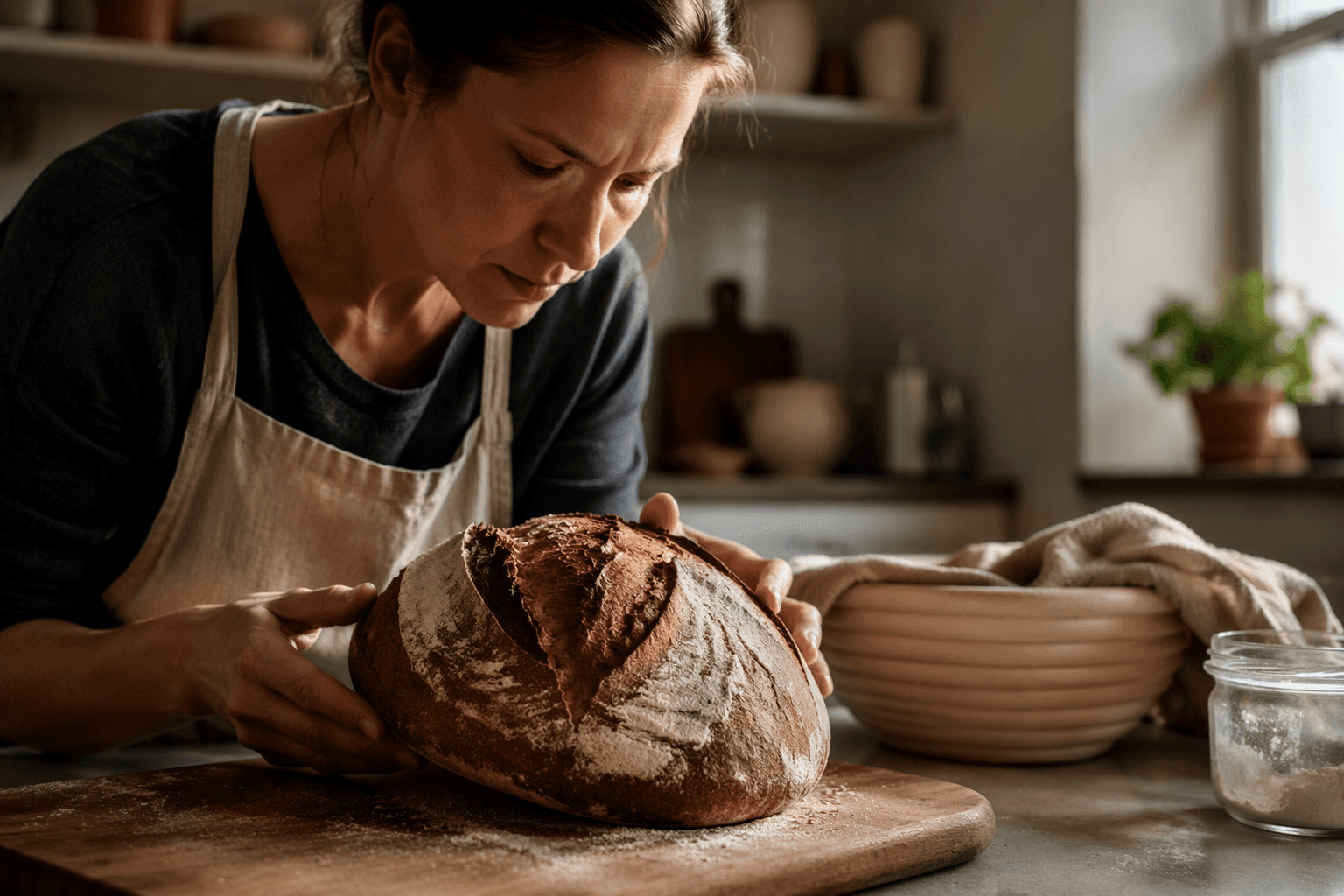
The workshop's starter-care segment is where the most transferable knowledge lives for anyone already comfortable managing a levain. Both salt-rising culture and sourdough depend on naturally occurring microbes and reward close temperature management, but the overlap stops there. A healthy sourdough starter signals readiness through a predictable rise-and-fall arc, active bubbling, and a mild lactic tang that bakers learn to read almost by instinct. Salt-rising culture is exclusively bacterial, with no wild yeast component, and its activity announces itself through a sharp, pungent fermentation aroma that has nothing in common with a starter's sourness. Across its three stages, it demands sustained, precise warmth in a way that differs fundamentally from the more forgiving temperature windows most sourdough bakers work within. The resulting loaf is dense and finely crumbed, with a complex flavor unlike anything that comes out of a Dutch oven.
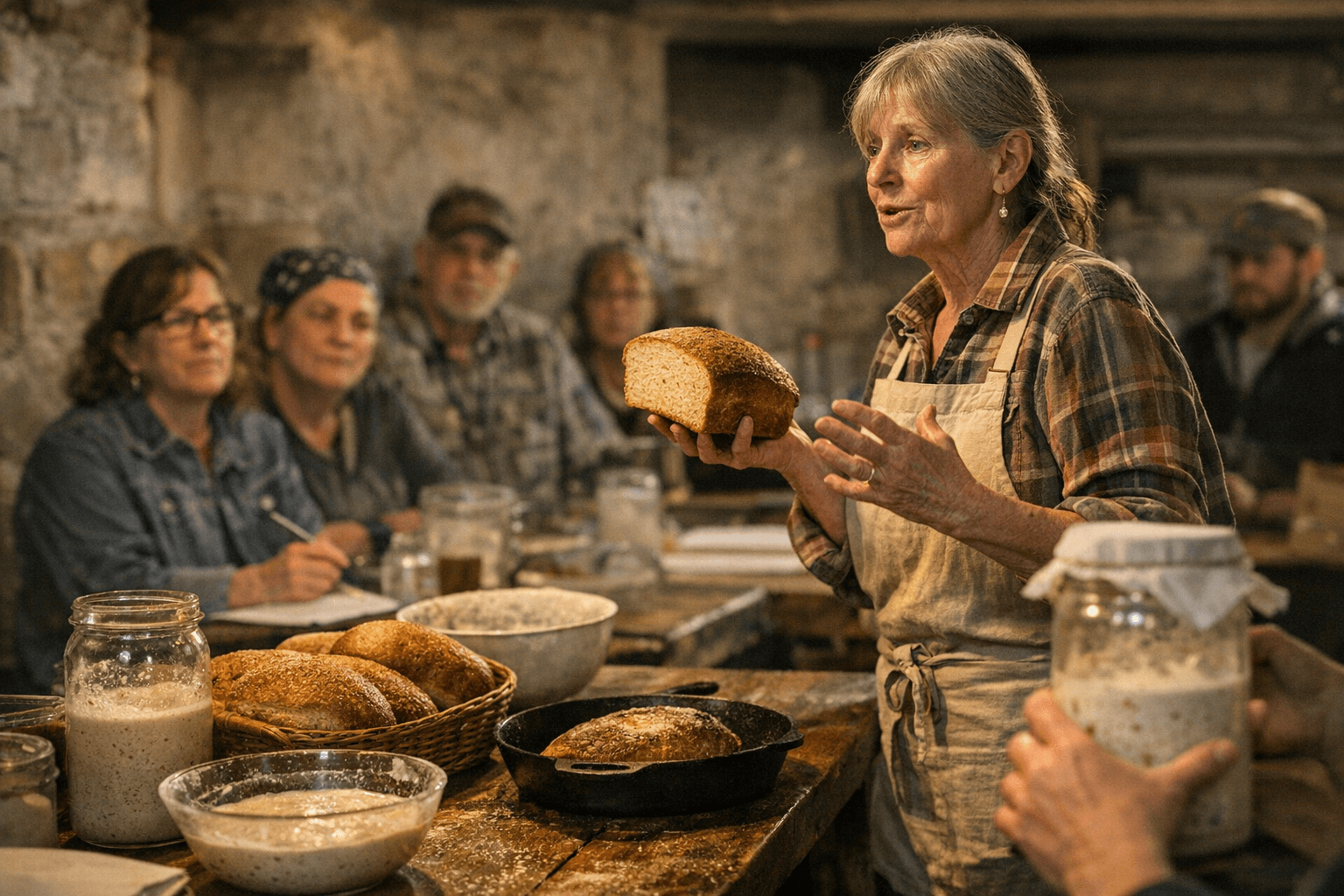
Bardwell has spent years interviewing elderly Appalachian bakers to document the tradition before it disappears entirely, and she treats salt-rising not as a curiosity but as a functioning piece of pre-industrial fermentation science that ran parallel to sourdough traditions for generations. Carnegie Hall's community programming team structured the class to match that seriousness: open to anyone age 14 and up, capped at 12 participants, and priced with member, non-member, and reduced student rates. The class historically sells out.
Each attendee will leave with warm loaves of salt-rising bread and an authentic sourdough starter to continue baking at home. For anyone wanting to taste salt-rising without committing to a new fermentation setup, the workshop is the cleanest entry point available. The small group size and Bardwell's guided instruction let you observe and taste the method in a controlled environment, without risking temperature interference near an existing starter. If the class sparks a home practice, keep the salt-rising culture in a separate, reliably warm space well away from your sourdough workspace until you understand how each culture behaves on its own terms. Two microbial traditions, one kitchen: give them room to coexist before you get ambitious.
This article was produced by Prism’s automated news system from verified source data, official records, and press releases, then run through automated quality and moderation checks before publishing. The system is built and supervised by the people who set the standards it runs under. Read our full AI policy.
Did this article answer your question?