Beginner sourdough made easy with pantry staples and budget Dutch ovens
A first sourdough loaf can be low-drama: pantry staples, a starter and a Dutch oven that costs about $25 are enough to begin.
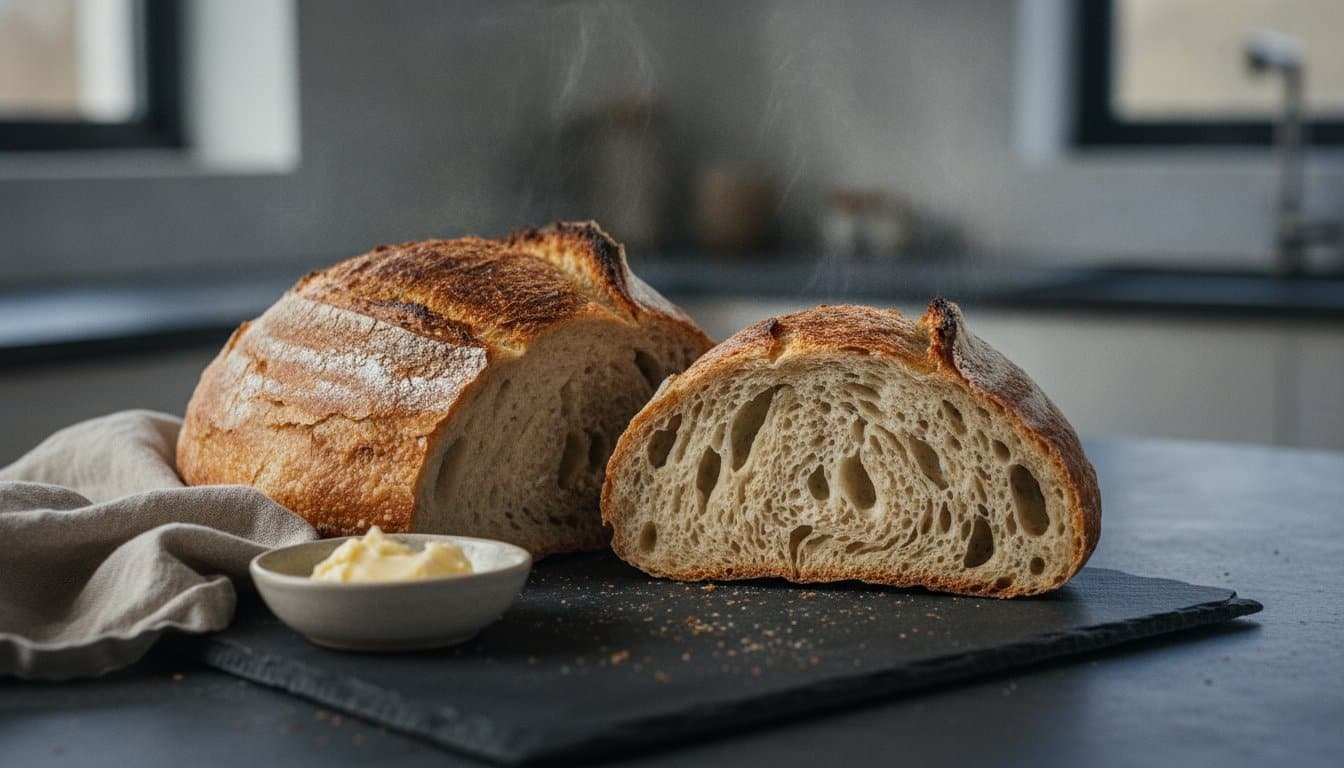
So Yummy’s newest beginner-friendly sourdough take cuts straight through the intimidation. The pitch is simple: skip the jargon, use pantry staples, and lean on a budget Dutch oven that can run about $25 instead of treating bread baking like a gear race.
What actually matters on loaf one
Sourdough is, at its core, flour, water and wild yeasts working through fermentation. Britannica’s definition is plain enough, and that’s the right energy for a first loaf: you do not need to memorize every technical term before you bake. The useful pieces are much narrower than most recipes make them sound, and King Arthur Baking puts them in a clean line: unfed starter, minimal kneading, long fermentation and a hot Dutch oven are enough to make a bakery-style loaf at home.
That is the anti-intimidation lesson here. Hydration, autolyse and other bread-world vocabulary can wait. On day one, the bigger win is learning the rhythm of a starter, mixing dough without fuss and letting time do most of the work.
Keep the starter simple
The starter scares people because it sounds high-maintenance, but the maintenance is less dramatic than the internet makes it seem. King Arthur Baking lays out two basic routines: keep it at room temperature and feed it daily, or store it in the refrigerator and feed it weekly. Once the starter is established, all-purpose flour is fine for maintenance, which matters because beginners do not need a special flour shelf just to keep bread alive.
King Arthur also updated its starter recipe in February 2026 to make a smaller amount after home-baker feedback. That change says a lot about where the real friction is. People are not only worried about success, they are worried about waste, extra discard and the feeling that sourdough takes over the kitchen. A smaller starter answers that directly.
If you want the cleanest entry point, no-knead sourdough is the right place to start. King Arthur’s beginner guide points new bakers in that direction for a reason: it strips the process down to the parts that matter and avoids turning bread day into a full production.
The gear list is shorter than you think
The other false barrier is equipment. The So Yummy piece makes the practical point that a Dutch oven does not need to be a luxury purchase, and that budget versions can cost around $25. That is the kind of number that changes the conversation, because it turns sourdough from a splurge project into a weeknight-possible one.
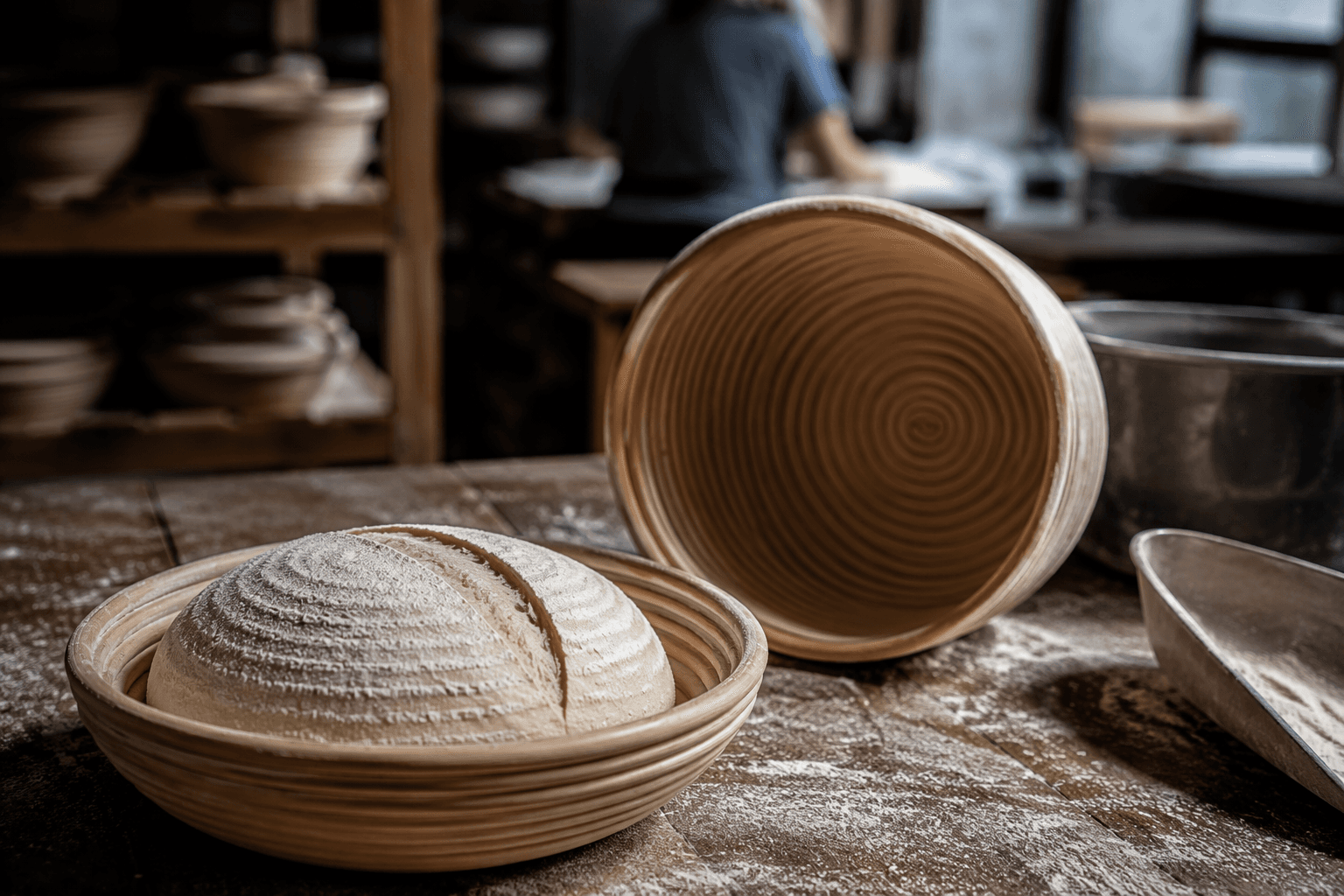
A hot Dutch oven matters because it traps heat and steam, which helps create the crust people want when they imagine a proper loaf. That is why so many beginner recipes keep coming back to the same setup: starter, bowl, flour, water, salt and a covered pot. You do not need a rack full of specialty tools to get a loaf that looks and feels finished.

The emotional side matters too. New bakers often assume sourdough requires expensive equipment, a perfect starter and a string of failures before a decent loaf. The point of this approach is to remove that anxiety. When the hardware is cheap and the process is plain, the bread feels less like a test and more like dinner.
A first-loaf workflow that stays sane
The easiest way to think about your first sourdough is as a sequence, not a mystery.
1. Feed the starter and give it time to become active.
2. Mix the dough with the few ingredients the recipe calls for, keeping the process simple.
3. Let fermentation do the heavy lifting, instead of chasing every minute with a timer.
4. Bake in a hot Dutch oven so the loaf can rise and brown properly.
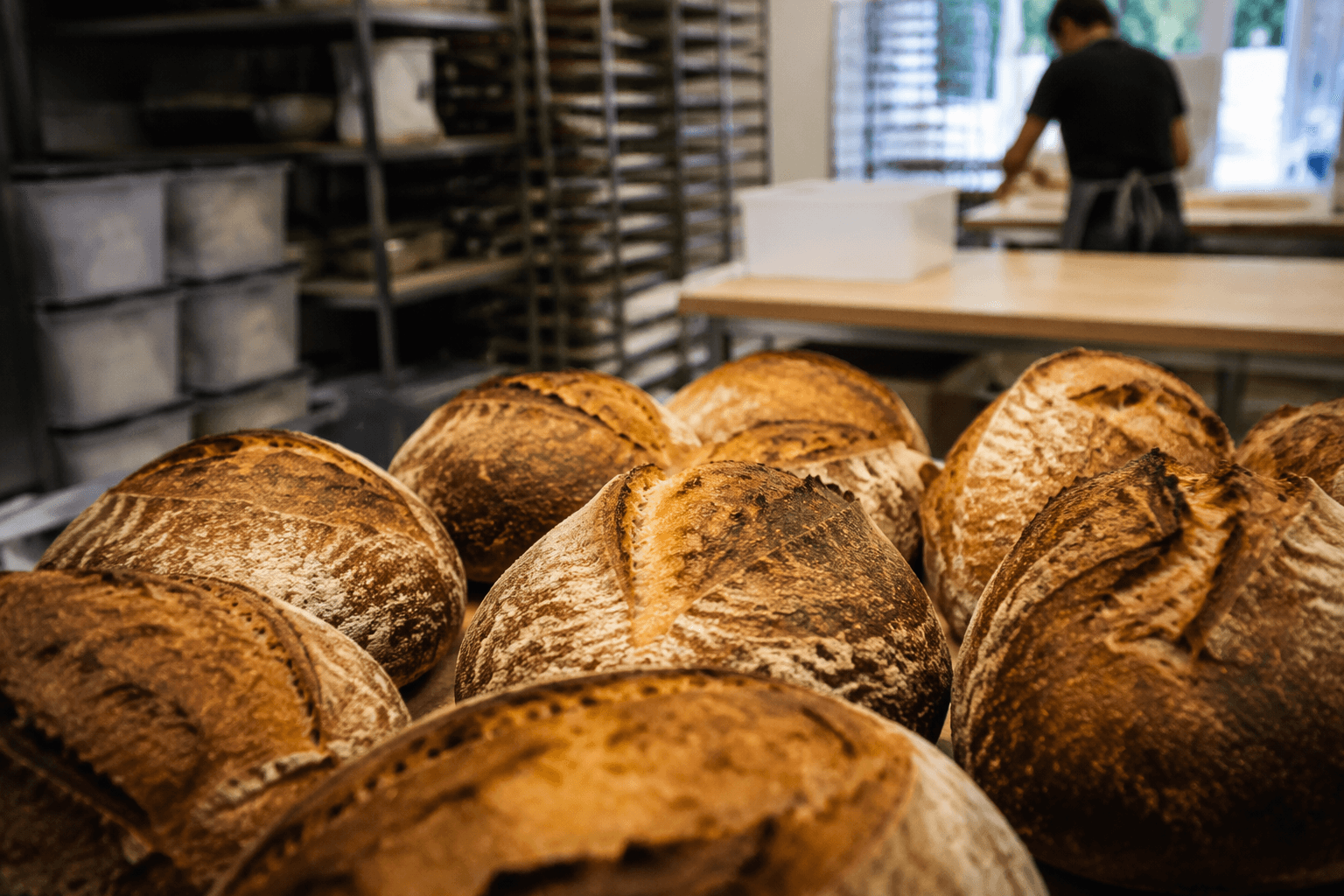
Minimal kneading is part of the appeal here. King Arthur’s guidance shows that sourdough can lean on long fermentation rather than endless hand work, and that is exactly why beginners can get a respectable result without turning their kitchen into a bench flour battlefield. The loaf does not need to be perfect to be satisfying. It needs to hold together, brown well and give you a clean, repeatable path for the next bake.
That is also why “easy” needs a realistic definition. Easy does not mean instant, and it does not mean hands-off from start to finish. It means the steps are few, the tools are modest and the process rewards patience more than precision on the first attempt.
Why this approach keeps working
Sourdough’s popularity is not an accident. Smithsonian Magazine traced a major resurgence during the 2020 lockdown baking boom, when people were suddenly making bread at home in huge numbers, and it also points back to the older Gold Rush-era San Francisco sourdough tradition. King Arthur calls sourdough a “snapshot of American culinary history,” which is a neat way of saying the method has always lived at the intersection of habit, patience and practicality.
That history helps explain why the beginner-friendly version works so well now. Sourdough keeps coming back when it is presented as something a home baker can actually do, not as a performance of expertise. Strip away the jargon, keep the starter manageable, buy the cheaper Dutch oven and let the dough ferment. That is still the cleanest path to a first loaf that looks bakery-made without making the kitchen feel like a lecture hall.
This article was produced by Prism’s automated news system from verified source data, official records, and press releases, then run through automated quality and moderation checks before publishing. The system is built and supervised by the people who set the standards it runs under. Read our full AI policy.
Did this article answer your question?