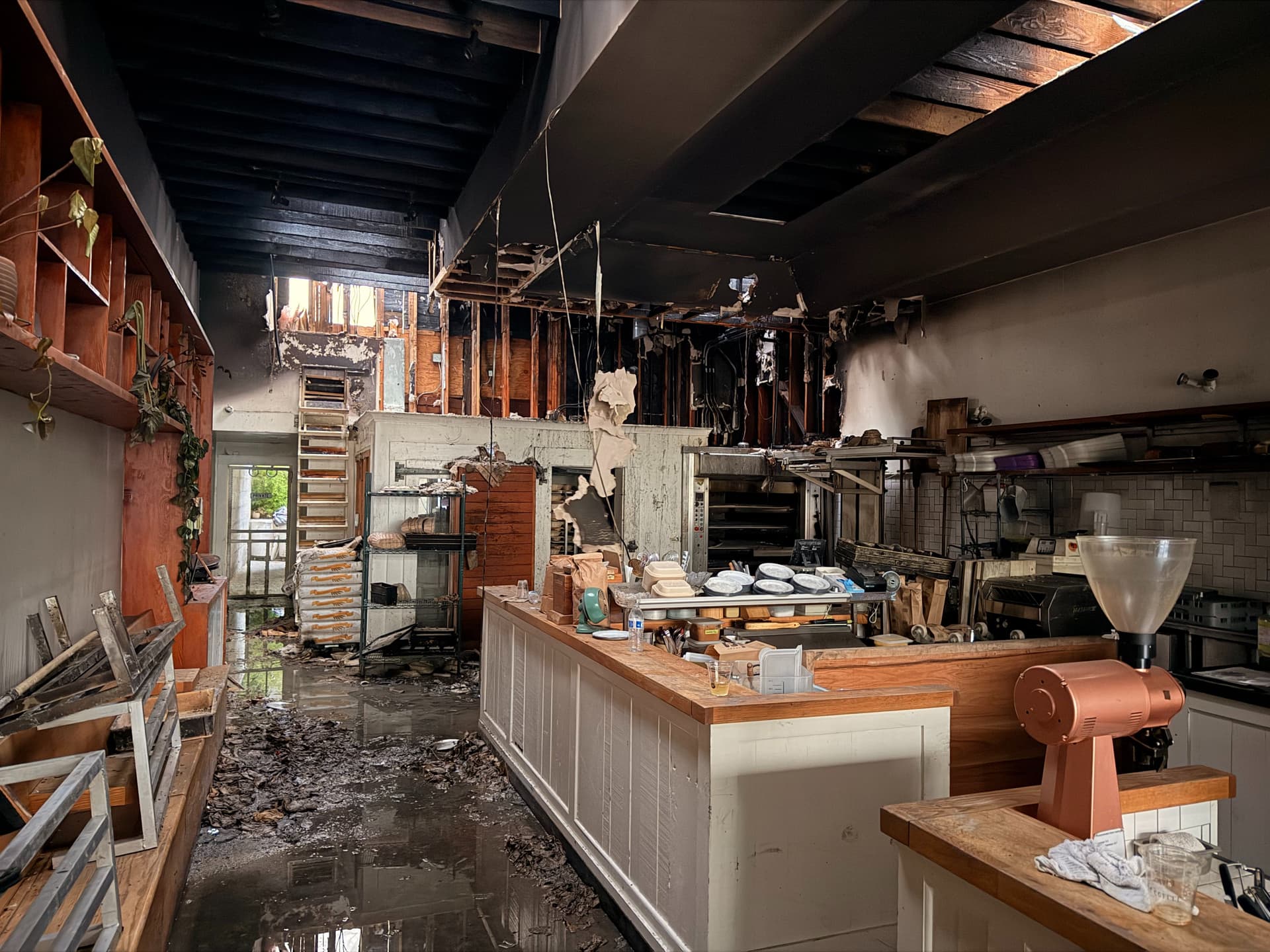
BlueRabbit Bakehouse turns sourdough passion into Baton Rouge staple
BlueRabbit Bakehouse shows how a home sourdough project becomes a storefront when the line forms early, the menu widens, and production hits 200 loaves a week.
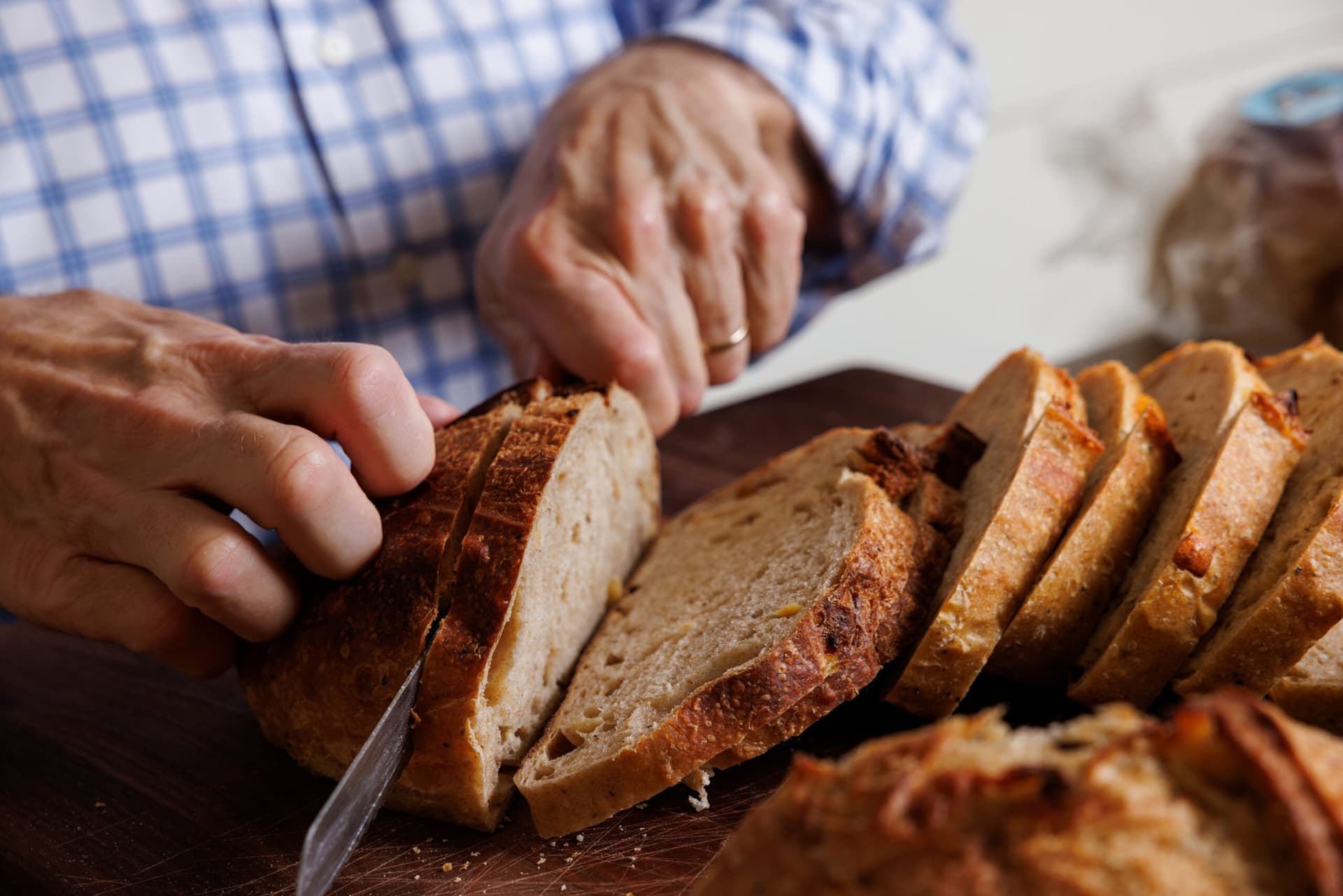
A line that says the business has already arrived
BlueRabbit Bakehouse has crossed the biggest threshold a cottage sourdough operation can reach: customers are lining up before the doors fully matter. That kind of demand does not happen because one loaf is good, it happens when the product, the story, and the consistency all click at once.
At the Baton Rouge storefront on Jefferson Highway, the draw is not just bread in the abstract. It is homemade sourdough, specialty loaves, and a spread-forward menu that turns a bake sale idea into a real local food destination. With about 200 loaves leaving the bakery each Saturday, BlueRabbit is no longer behaving like a hobby. It is operating like a small, tightly managed bakery with a cult following.
The turning point came from a health crisis, not a business plan
Matt Bolton, now 59, did not set out to build a bread business from scratch. For decades he ran an industrial construction company, then a medical emergency changed the entire equation. In 2022, he suffered three back-to-back heart attacks in a matter of hours and underwent open-heart surgery, a jolt that forced a full reassessment of the work and stress that had shaped his life.
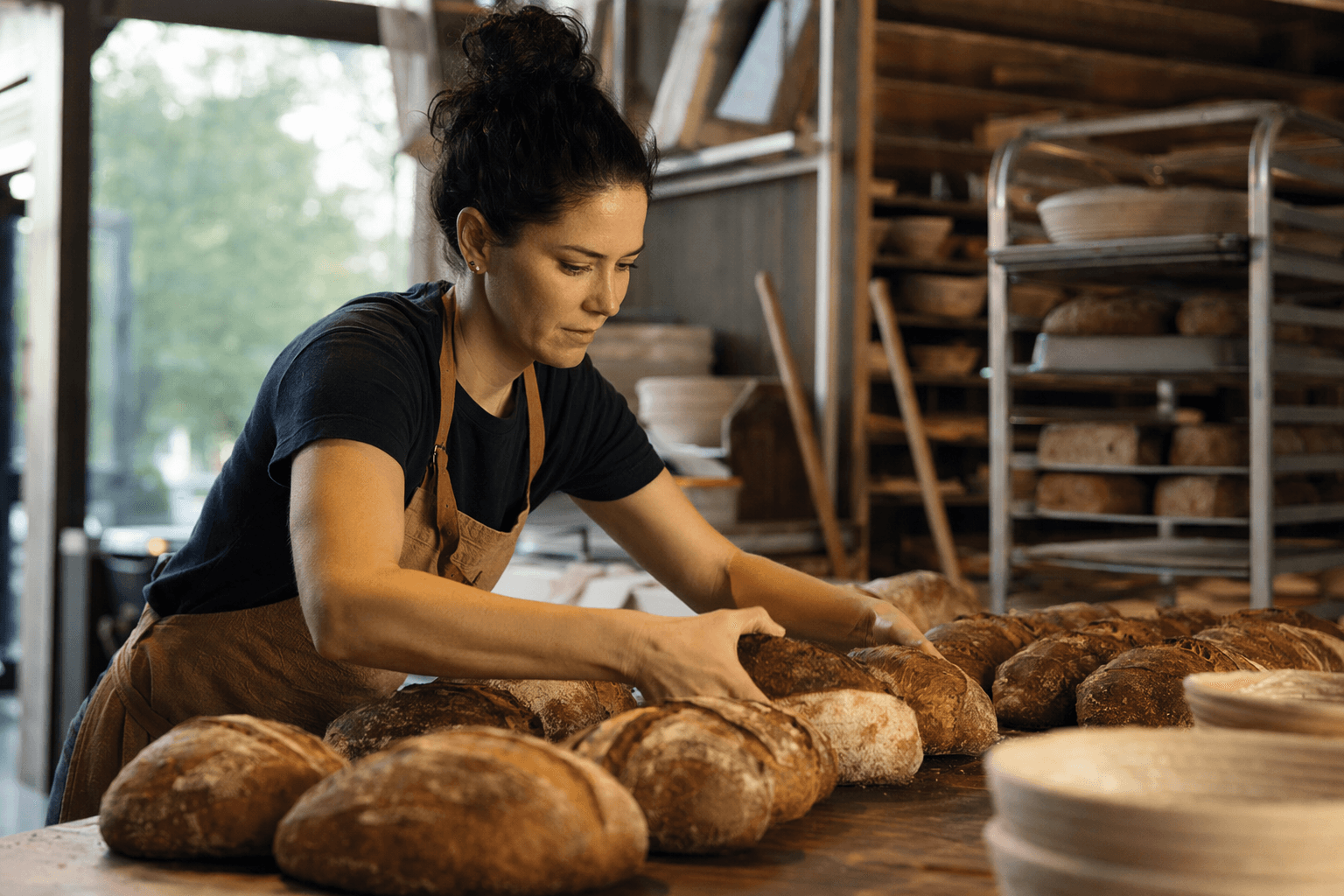
Sourdough became the new challenge, and then the new path. That matters because the bakery’s appeal is rooted in more than flavor. Customers can feel the personal turn behind the business, from construction to recovery to craft. In a crowded food market, that kind of origin story gives the bread a face, and it gives the line out front a reason to keep forming.
Why the bread stands out on the shelf
BlueRabbit’s identity is built around process as much as product. The bakery says it fresh-mills ancient and heritage grains in-house, using whole wheat berries stone-milled on hard granite. It also leans on naturally leavened sourdough with long fermentation and a cold proof that runs 12 to 36 hours, a schedule that speaks directly to serious bread people who care about flavor development, texture, and digestibility.
That craft-driven approach helps explain why BlueRabbit feels different from a standard retail bakery. Milling its own flour gives the operation a rare level of control over freshness and grain character, while the long proofing window signals a production rhythm that prioritizes quality over speed. For sourdough bakers, those are not decorative details. They are the business model.
Scaling from side gig to storefront
The clearest sign that a home bakery has become something bigger is when the output starts to set the tempo. Bolton is producing about 200 loaves each Saturday, which is enough volume to create scarcity without losing the handmade feel. That balance is hard to maintain, and it is exactly what gives the bakery its pull.
BlueRabbit’s brick-and-mortar at 17301 Jefferson Highway is open Saturdays from 9:00 a.m. to 5:00 p.m., and the space itself is part of the story. Recent reporting places it at about 500 square feet and shared with Crumb and Get It desserts and Next Chapter Coffee Company, which turns the operation into a compact multi-operator food stop rather than a solitary bakery. That setup fits the current small-batch model: limited space, focused output, and enough foot traffic to keep the shelves moving.
The menu is broader than bread, and that is the point
BlueRabbit’s assortment shows how sourdough businesses grow up. The bakery does sell bread as the anchor, but it also goes beyond the loaf with English muffins, sandwich breads, pimento cheese spreads, hummus, almond butters, and balsamic vinegars. That range is not an afterthought. It is how a bakery turns one customer into a regular.
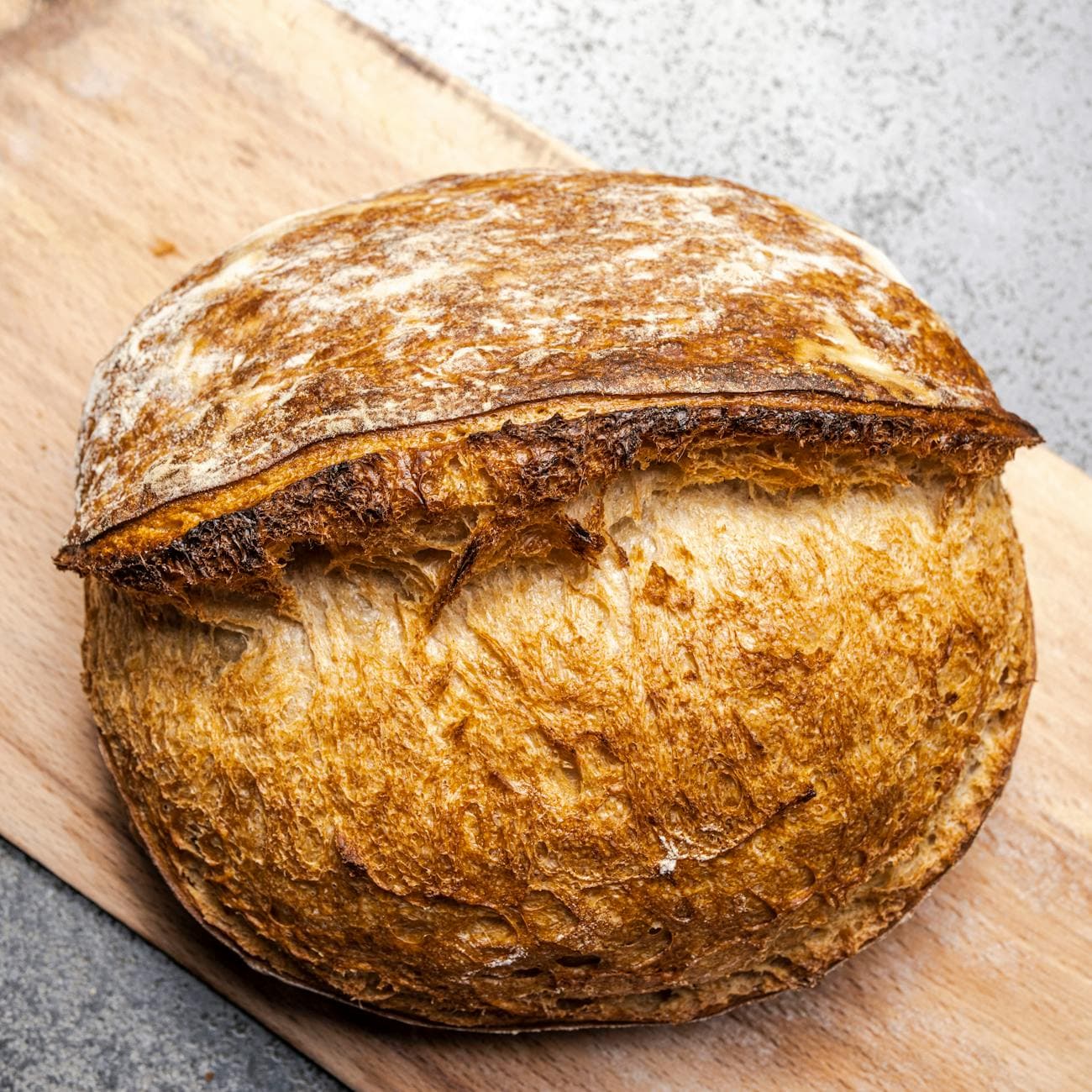
The named loaves reinforce the same strategy. Mary Kate, Blondie, Trailblazer, Olive, and Orchard and Brie Black Pepper suggest a menu built around recognizable signature breads, not a single rotating standard. That helps with repeat purchases because customers can come back for the loaf they loved and still find something new. In the sourdough world, that mix of consistency and variety is often what separates a popular bake from a business with staying power.
What BlueRabbit reveals about the local food market
BlueRabbit Bakehouse is part of a broader wave of regional cottage bakers turning passion projects into viable businesses. That trend only works when customers buy into more than ingredients. They want traceability, a real maker, and a product story that feels grounded in skill rather than branding alone.
BlueRabbit checks those boxes cleanly. Bolton mills much of his own flour, the bakery keeps production small enough to stay hands-on, and the storefront gives customers a place to meet the brand in person. The result is a Baton Rouge bakery that feels both intimate and in demand, which is exactly why the line at the door matters.
BlueRabbit’s rise shows the inflection point clearly: a sourdough hobby becomes a serious local bakery when the craft is specific, the menu broadens, and the Saturday rush starts looking less like curiosity and more like habit.
This article was produced by Prism’s automated news system from verified source data, official records, and press releases, then run through automated quality and moderation checks before publishing. The system is built and supervised by the people who set the standards it runs under. Read our full AI policy.
Did this article answer your question?