Seattle baking class turns sourdough beginners into confident bread makers
A four-hour Bellevue class shows sourdough beginners how to handle starter, read dough, and use discard without the guesswork of endless videos.
What the class changes for first-timers
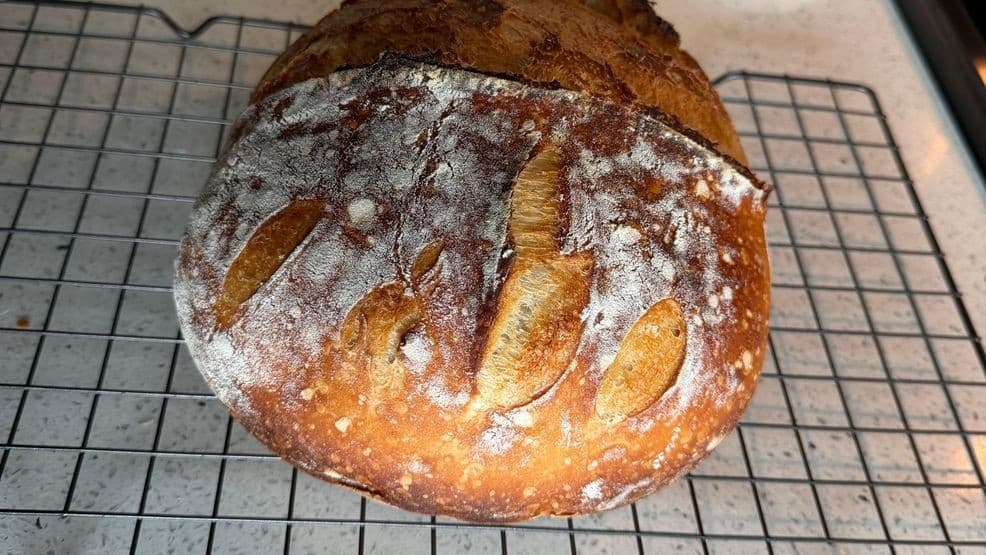
Sourdough feels simplest when someone puts the bowl in front of you and shows you what the dough is supposed to look and feel like. That is the real lesson tucked inside Abby Luschei’s turn from years of watching sourdough content online to taking a four-hour class in March 2026 at Whisk in Bellevue.
The appeal is not just the loaf. It is the confidence that comes from seeing starter care, dough handling, timing, and troubleshooting in real time, with a teacher nearby when the dough looks sticky, slack, or just plain confusing.
Inside Whisk’s Old Bellevue classroom
Whisk’s Sourdough 101 session is built around a straightforward promise: you learn how to make rustic sourdough bread using a homemade sourdough starter. The school sits at 10385 Main Street, Bellevue, WA 98004, in Old Bellevue, and Visit Bellevue describes it as a locally owned cooking school and kitchen boutique. It is also part of a broader hands-on calendar that stretches well beyond bread, with classes in ramen, pasta, dumplings, sushi, doughnuts, and more.
That matters because sourdough is not being taught here as a lonely internet project. It is being treated like a kitchen skill you can actually practice in a room with flour on the counter, tools within reach, and a teacher walking you through the steps.
Starter care stops feeling mysterious
For many new bakers, starter maintenance is the part that turns curiosity into panic. In Luschei’s class, one of the most reassuring lessons came from chef Vindi Rathnayake: an active starter does not have to be fed every day if you are not baking every day. Refrigeration makes the routine much easier to live with.
That advice lines up with King Arthur Baking’s guidance. If you keep starter in the refrigerator, weekly feeding can be enough; if it stays at room temperature, it needs daily feeding, sometimes twice a day. King Arthur also notes that a sluggish refrigerated starter can often be brought back by stirring in any liquid on top and refreshing it with flour and water.
For a beginner, that is a major shift. The fear is usually that sourdough is a needy pet. The class reframes it as a manageable kitchen culture with a rhythm that can fit real life.
Dough feel is the lesson YouTube cannot hand you
Watching a loaf on a screen is not the same as handling one. In class, the gap between theory and muscle memory becomes obvious the moment dough sticks to your fingers or starts to relax under your hands. That is where hands-on instruction earns its keep, because sourdough success often depends on reading texture and timing rather than following a recipe as if it were a timer-only machine.
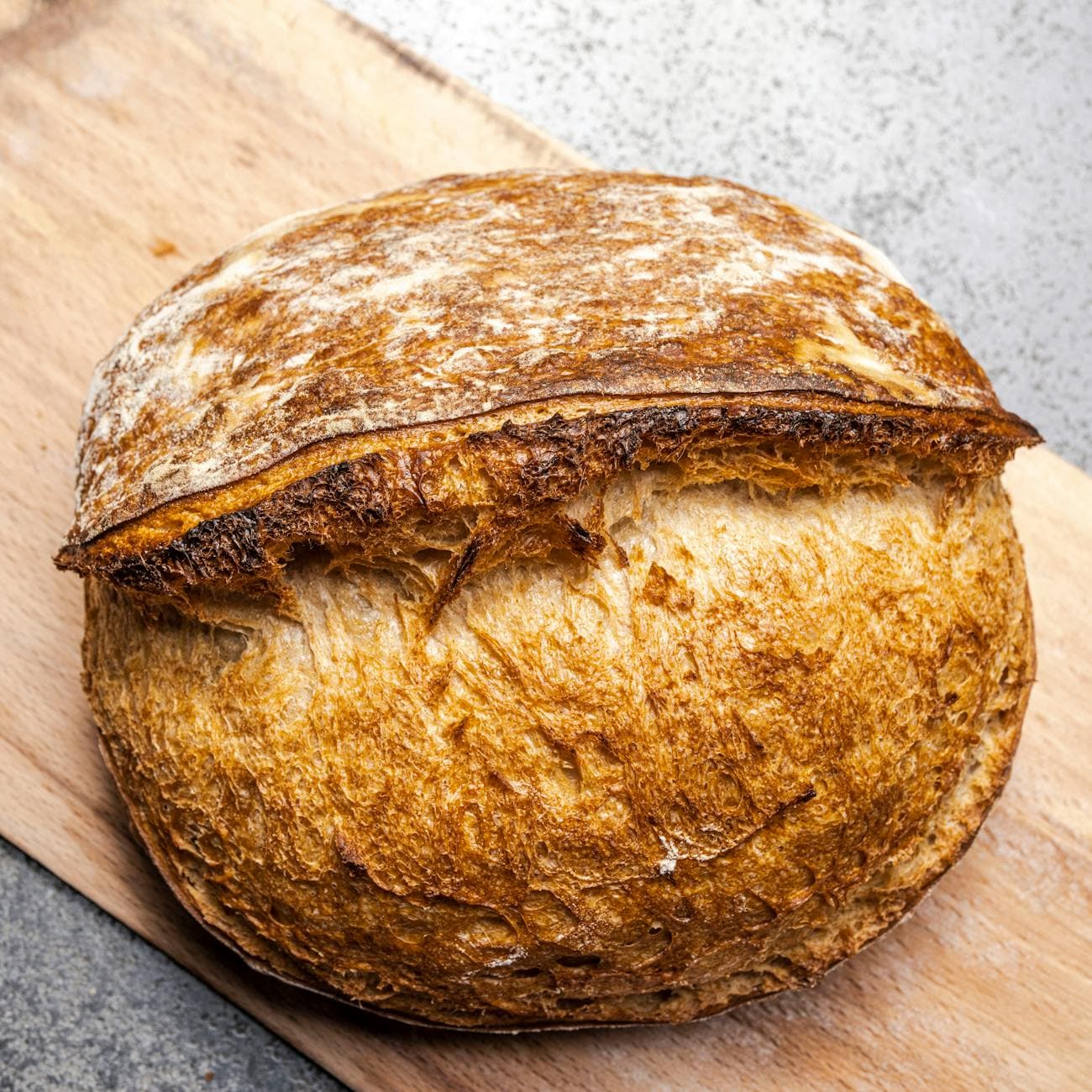
Luschei’s experience points to the specific value of a live class: you do not just learn what to do, you learn what the dough should feel like when it is ready. That is the kind of calibration beginners usually miss when they are trying to learn from short clips and written recipes alone.
Discard becomes part of the workflow, not a waste problem
The class did more than teach one loaf. Participants reportedly made their own bread with optional inclusions, created a starter to take home, and baked crackers from discard. That makes the session feel like a compact introduction to the whole sourdough ecosystem, not just a single recipe.
That discard lesson is especially useful because many bakers are surprised by how quickly starter produces extra scraps if it is being fed regularly. King Arthur Baking treats discard crackers as a common, easy use for excess starter, and even notes that no rolling pin is required for its super crispy version. For beginners, that kind of practical add-on is a relief: it shows that leftover starter can become part of the routine instead of something to throw away with guilt.
Why Rathnayake’s background matters
Rathnayake brings more than a recipe to the bench. The Pantry says she was born and raised in Sri Lanka and became a certified baker and pastry chef after first working in another field. PCC Cooking Classes adds that she earned Certificate III from the William Angliss Institute in Melbourne and has worked in bakeries in both Melbourne and Seattle.
That path helps explain why the instruction feels grounded and accessible. Someone with that mix of formal training and bakery experience can translate sourdough into plain language without flattening the craft. For a nervous beginner, that matters as much as the dough itself.
Bellevue’s food-learning scene gives the class a bigger frame
Whisk is not operating in isolation. Visit Bellevue’s winter classes roundup highlights it as a place to learn directly from a locally renowned chef in Old Bellevue, reinforcing Bellevue’s push toward experiential food education. The city’s interest is not just in eating well, but in learning by doing.
That is the bigger takeaway from Luschei’s class: the point is not to replace online sourdough culture, but to add the missing step where the camera stops and your hands start working. By the end of a four-hour session in Old Bellevue, the mystery of starter, dough feel, and discard looks a lot less intimidating, and a first loaf feels like something you can actually repeat at home.
This article was produced by Prism’s automated news system from verified source data, official records, and press releases, then run through automated quality and moderation checks before publishing. The system is built and supervised by the people who set the standards it runs under. Read our full AI policy.
Did this article answer your question?