High protein sourdough bread with Greek yogurt goes mainstream
Greek yogurt is the cleanest way to push sourdough toward more protein without wrecking the crumb, and the best versions lean on long fermentation, not powder.
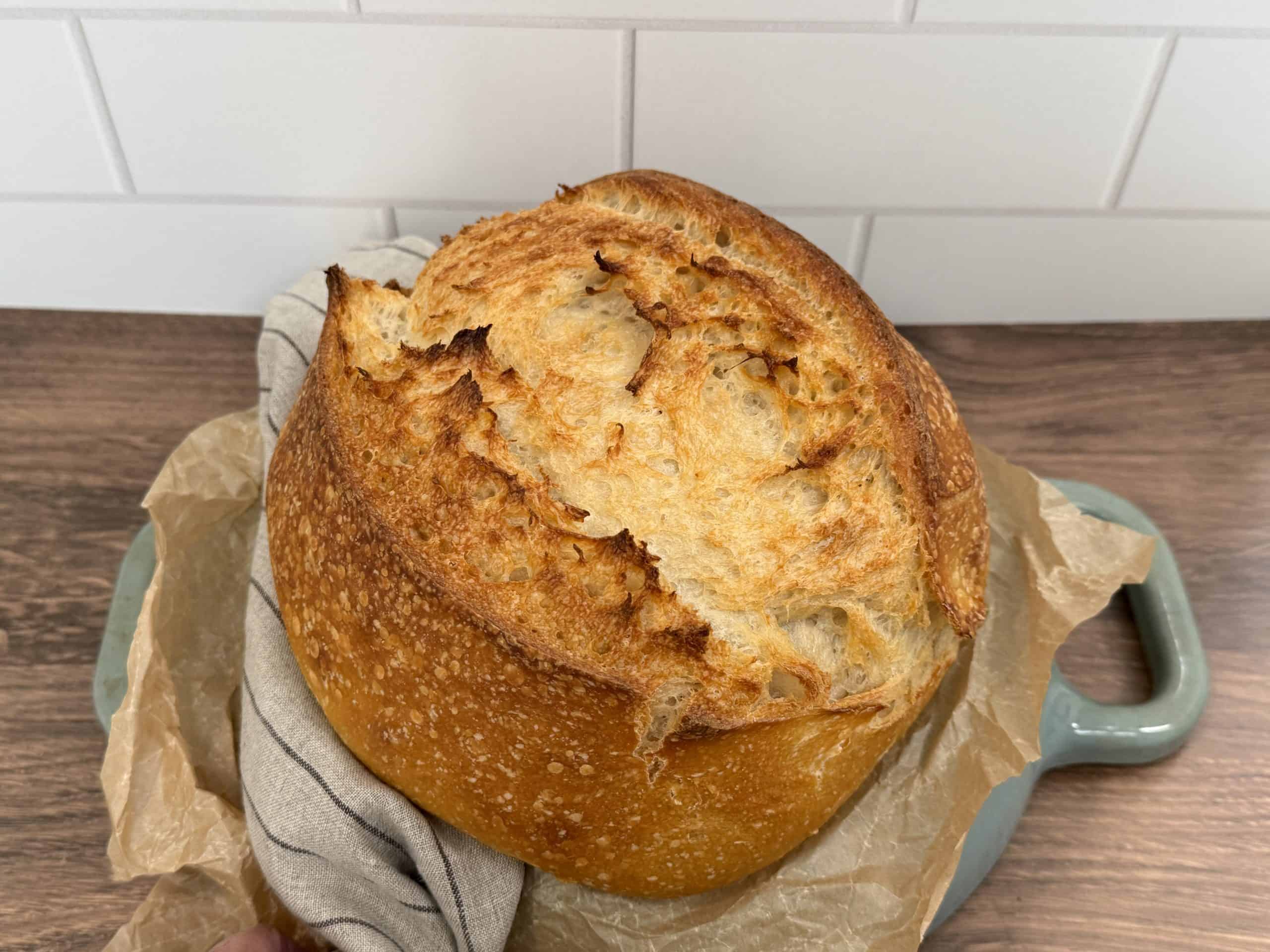
Greek yogurt is the smartest shortcut I’ve seen for making sourdough feel more nourishing without turning it into a brick. The Keep It Sweet Kitchen High Protein Sourdough Bread Recipe, updated on June 21, 2026, goes straight at that tension: a long-fermented loaf that stays soft, bakes up golden, and keeps its tangy sourdough character while adding protein without protein powder.
Why Greek yogurt is the ingredient that makes sense
Plain Greek yogurt is doing real work here, not acting like a gimmick. USDA-linked nutrition references put plain Greek yogurt at about 20 to 23 grams of protein per cup, which is enough to explain why bakers keep reaching for it when they want more from a slice than just starch and crust. It also brings moisture and a mild dairy tang, two things that fit naturally into sourdough instead of fighting it.
That matters because the usual high-protein bread problem is obvious the second you slice into it: more protein often means a tighter crumb, a drier feel, or a loaf that ferments like it is annoyed with you. This recipe sidesteps the worst of that by keeping the protein boost tied to an ingredient bakers already understand. The point is not to make sourdough taste like a supplement bar. It is to make bread that still feels like bread.
What this style of loaf is trying to preserve
The recipe description is clear about the target: soft, golden, tangy, long-fermented, and free of protein powder. That combination is exactly why it stands out in the sourdough world. A lot of high-protein baking chases numbers first and texture second, but this loaf keeps the things people actually love about a good sourdough slice, especially the flavor that comes from time.

Long fermentation is the other half of the equation. Sourdough already lives in that slow lane, and this loaf uses that patience to keep the bread from reading as heavy or overly enriched. Colorado State University Extension notes that sourdough was essential to early human societies and remains a staple food worldwide, and that long history is part of why these modern variations land so well. They are not replacing sourdough, just widening what it can do at the table.
Why 2026 looks like the year protein-forward sourdough went mainstream
Keep It Sweet Kitchen is not the only place pushing this lane. H3art of the Home published High Protein Sourdough Sandwich Bread with Greek Yogurt on February 24, 2026, and Gemma’s Bigger Bolder Baking has a High Protein Bread Recipe with Greek Yogurt. Put those together and you do not have a one-off novelty, you have a pattern: bakers are repeatedly reaching for Greek yogurt when they want a loaf that feels more filling and more functional.
That also tracks with the broader sourdough comeback. UF/IFAS Extension Taylor County has described sourdough’s resurgence as driven by more than tangy flavor and artisanal appeal, pointing to the way home bakers keep connecting it to potential health benefits. The health story gets overstated constantly, so it is worth staying disciplined here. Search results point to possible easier digestibility, a lower glycemic index, and improved nutrient bioavailability, but a 2023 Frontiers in Nutrition review found no convincing evidence that sourdough fermentation reliably lowers glycemic index across breads. That is the right caution to keep in mind: sourdough can be a smarter-feeling loaf, but it is not a magic trick.
Where the practical trade-offs show up
If you are baking this for weeknight use, the appeal is obvious. A soft, golden loaf with extra protein is better suited to toast, sandwiches, and plain slices than a super-crusty country boule that shatters when you try to build lunch on it. That makes the recipe especially good for anyone who wants bread to feel more complete without giving up the real-food feel of a naturally leavened loaf.
The trade-off is texture, and you should expect one. A loaf built around Greek yogurt is aiming for tenderness and richness, not the wild open crumb you chase in a lean rustic sourdough. In plain English, you are choosing comfort and versatility over maximal chew and dramatic oven spring. For a lot of home bakers, that is the right trade, especially if the goal is a bread that actually disappears at breakfast and lunch instead of becoming a weekend project nobody wants to finish.
How this fits into the bigger sourdough culture
This style of loaf also sits comfortably inside the larger slow-bread movement. BreadHaus in Grapevine, Texas says its loaves can take 20 to 48 hours from mixing to baking, and the bakery also says it ferments every loaf for 24 to 72 hours with a live culture starter and no commercial yeast. That is a very different format from a yogurt loaf at home, but the philosophy is the same: time builds flavor, and time is part of the appeal.
That is why these recipes are catching on now. They do not ask sourdough to stop being sourdough. They just make room for a loaf that can do more, whether that means better breakfast toast, a more filling sandwich, or a slice that feels a little less like empty calories. The best part is that the protein boost comes from an ingredient with a real baking job to do, not a powder looking for a disguise.
This article was produced by Prism’s automated news system from verified source data, official records, and press releases, then run through automated quality and moderation checks before publishing. The system is built and supervised by the people who set the standards it runs under. Read our full AI policy.
Did this article answer your question?