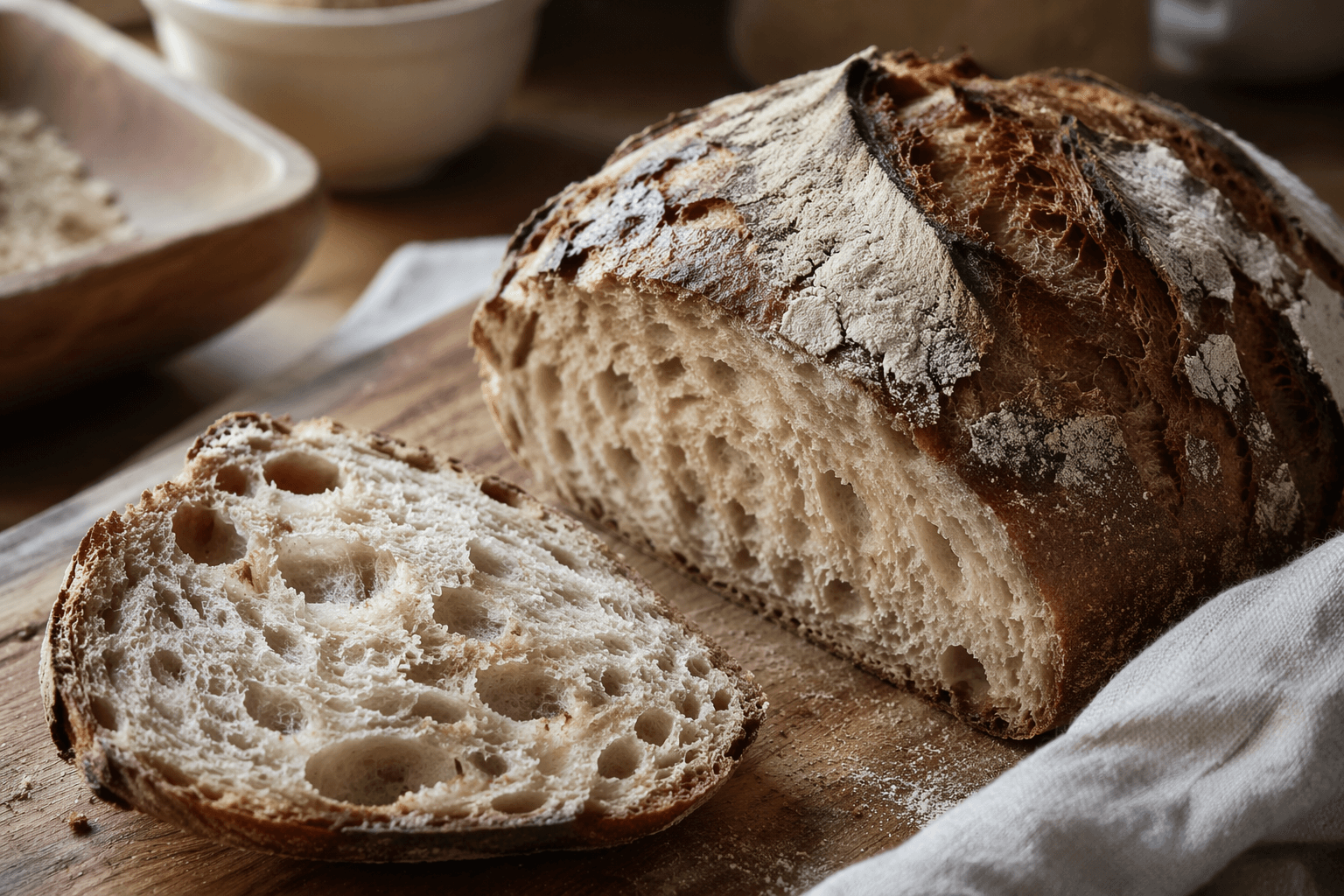
How to strengthen a sourdough starter with better feeding habits
A weak starter usually needs better feeding habits, not a fresh jar. Change the flour, temperature, and feed rhythm, and you can revive it fast.
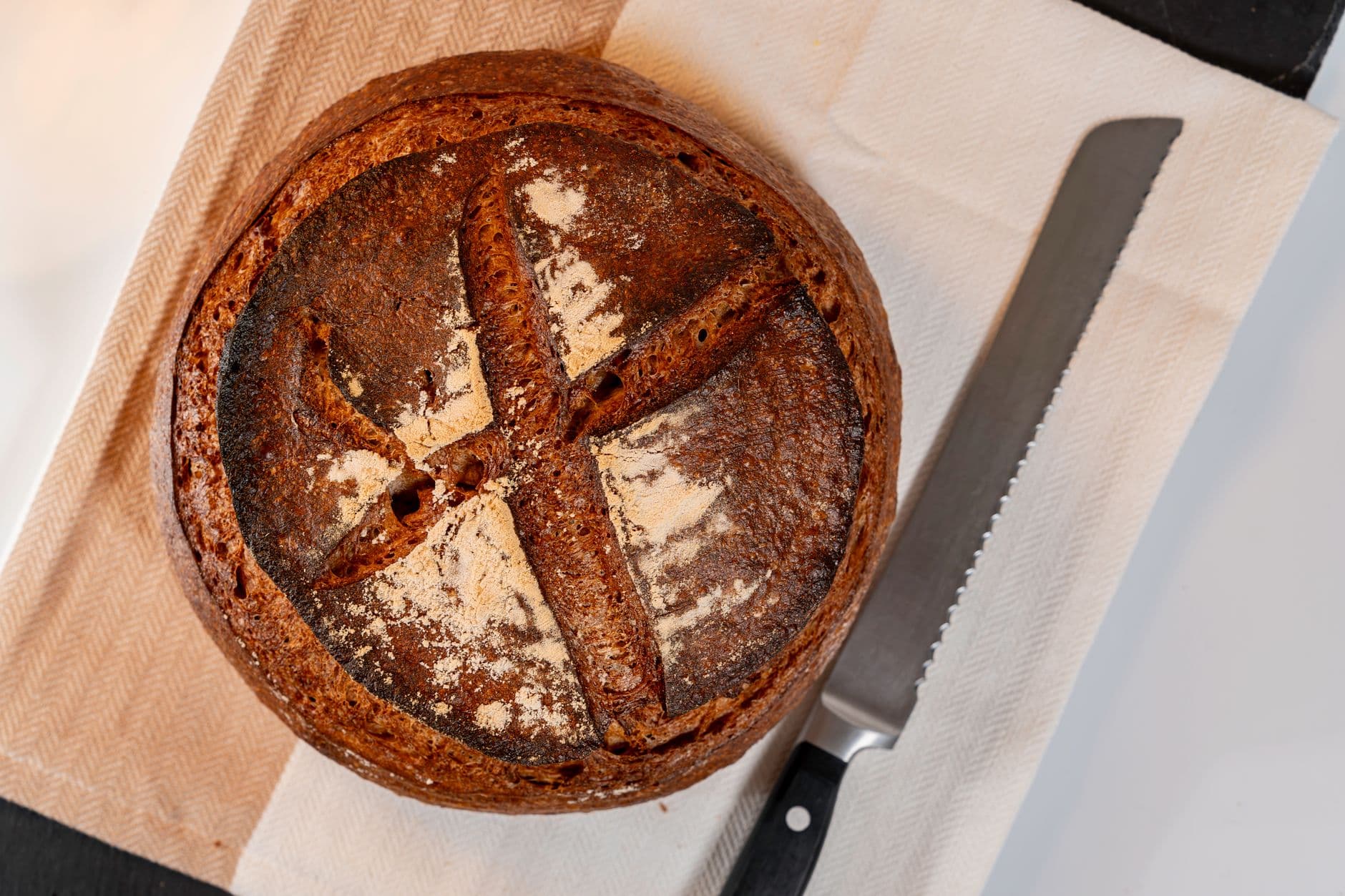
A sourdough starter that is present but underpowered usually does not need a dramatic reset. It needs better food, steadier warmth, and a feeding rhythm that lets the yeast build momentum instead of scraping by. King Arthur Baking treats starter as a living mix of flour and liquid, where wild yeast and lactic acid bacteria from the flour and the surrounding environment work together, and that framing is the right one here: strengthen the ecosystem, and the starter gets stronger.
Diagnose the starter you actually have
The common failure case is not a dead starter. It is a starter that bubbles a little, smells active, maybe even rises some, but cannot keep pace with a loaf. That is the moment to stop thinking in terms of “catching” wild yeast and start thinking in terms of cultivation. Regular feeding is the simplest way to support growth, because the culture is only as steady as the food and conditions you give it.
King Arthur Baking’s own guidance is blunt on this point: healthy starter needs two things, consistent food and a stable environment. That means if the starter is sluggish, you do not need to overhaul everything at once. You need to pick one variable, change it cleanly, and watch what happens.
Feed it the flour it wants
If the starter is dragging, flour choice is one of the fastest levers you can pull. King Arthur Baking says wild yeast is more likely to show up in whole grain flour than in all-purpose flour, and the microbiology backs that up. A 2016 study found that microbial communities in flour can influence both the bacterial strains and the biochemical character of sourdough, which is why a flour swap can change more than just flavor.
Wholemeal flour is especially useful when you are trying to wake a starter up. In spontaneous sourdoughs made from wheat, spelt, or rye wholemeal flour, one study found lactic acid bacteria around 10^9 CFU/ml and yeasts around 10^6 CFU/ml. That is a lot of microbial traffic for a bowl of flour and water, and it explains why whole wheat or rye often gives a weak starter a more energetic refresh than a straight white-flour feed.
In practice, the move is simple. Keep the starter, but replace part of the feed with whole wheat or rye flour. If you want the quickest signal, use the same jar, the same schedule, and the same water, then change only the flour. That way you can see whether the starter responds to the richer feed instead of guessing which variable did the work.
Tighten the feeding rhythm
A starter that is trying to strengthen fast usually does better with a more active schedule. King Arthur Baking says a starter can be maintained at room temperature with daily feedings or in the refrigerator with weekly feedings, depending on how often you bake. For rescue work, room temperature is the useful lane. Cold storage is maintenance mode; daily feeding is rebuild mode.
The baseline feed ratio matters too. King Arthur’s testing says 1:1:1 is a common starting point, and feeding ratios affect how quickly a starter peaks. If your starter seems to peak too slowly, a slightly thicker feed can help create a friendlier environment for yeast colonies. In plain terms, that means nudging the starter toward a stiffer, more food-rich mix instead of leaving it loose and exhausted.

If you want faster strength, feed more often, sometimes twice a day. That is especially helpful when the starter is active but weak, because the goal is not just more bubbles, it is a culture that can rise predictably and keep dough moving. A starter that gets fed only when it collapses is usually a starter that never quite catches up.
Give it a steadier environment
Temperature is not background noise. It changes how the starter behaves, how quickly it peaks, and how reliably it ferments. A 2021 review of sourdough microbiomes found that flour type, hydration, backslopping time, fermentation time, and temperature all shape the culture, which is why a warm, stable spot often does more good than fiddling with the jar every few hours.
King Arthur recommends room-temperature water at about 68°F to 70°F for starter care, and that detail matters more than it sounds. Unchlorinated water is the better choice, and the kitchen temperature should stay predictable. If your starter lives near a cold window, next to a hot stove, or in a spot that swings wildly overnight, you are making the yeast work harder than it needs to.
The practical fix is boring, but boring works. Use unchlorinated water, keep the starter in a warm and consistent spot, and stop letting the environment bounce around while you are trying to rebuild strength. The starter does not need spa treatment. It needs routine.
A simple rescue workflow that works fast
When a starter feels weak but alive, the fastest path is usually a clean, controlled reset of the feeding habit:
1. Keep the same starter, but switch the feed to include whole wheat or rye.
2. Feed at room temperature, using water around 68°F to 70°F.
3. Start with a 1:1:1 feed if that is your normal baseline, then move slightly thicker if the starter still looks sluggish.
4. Feed daily while you are rebuilding, and go to twice daily if you want strength to build faster.
5. Watch for a more reliable peak, not just more surface bubbles.
That kind of rescue works because it treats the starter like what it is: a kitchen ecosystem, not a jar of magic. King Arthur Baking describes sourdough as part of American culinary history, but the real lesson is practical and current. Better flour, steadier temperature, cleaner water, and a tighter feeding rhythm usually beat reinvention every time, and they are the fastest way to turn a merely present starter into one that actually pulls its weight.
This article was produced by Prism’s automated news system from verified source data, official records, and press releases, then run through automated quality and moderation checks before publishing. The system is built and supervised by the people who set the standards it runs under. Read our full AI policy.
Know something we missed? Have a correction or additional information?
Submit a Tip