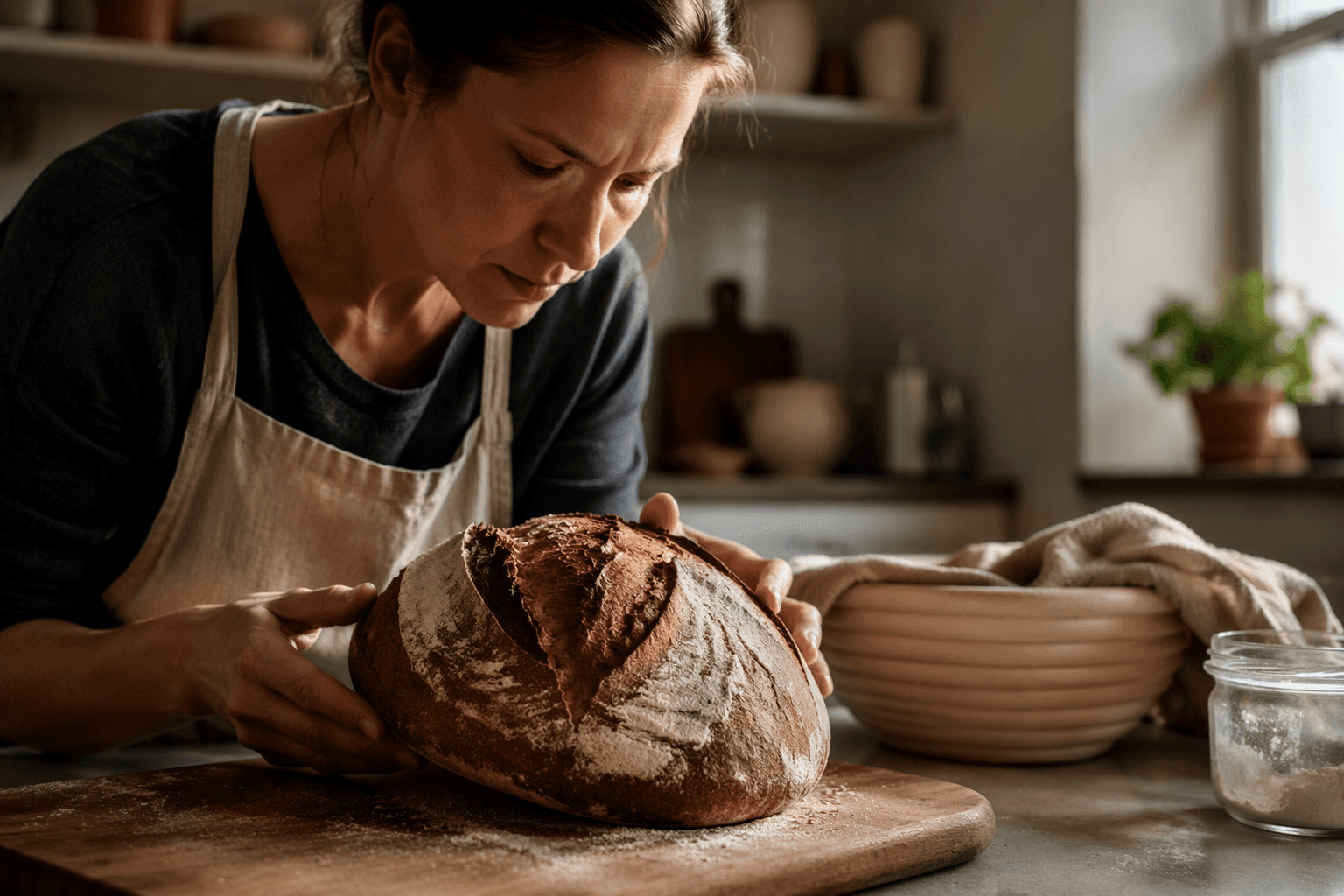
Indonesian Researcher Develops Red Rice Sourdough from Local Grain
Dyah Ayu Puspitasari turned Gunungkidul’s Segreng Handayani red rice into sourdough, hinting at a moister loaf with local flavor and new value for an underused crop.
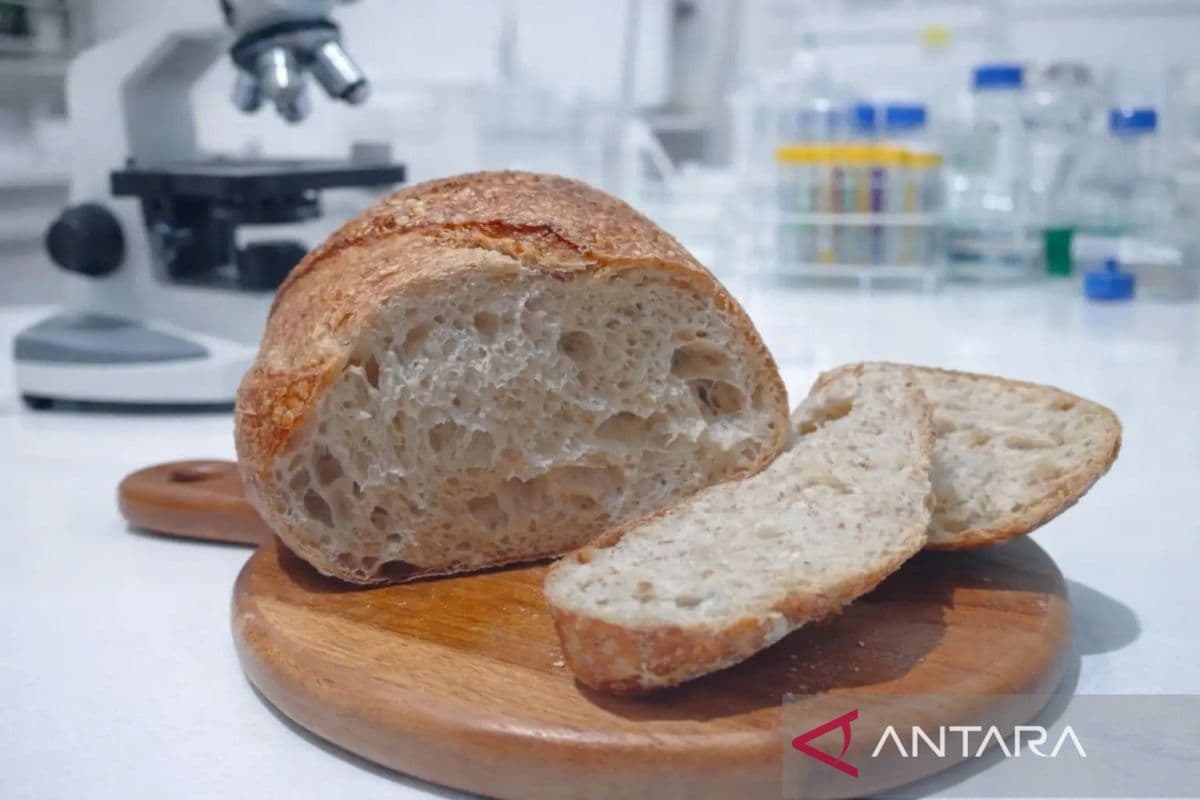
Dyah Ayu Puspitasari has pushed sourdough beyond wheat by developing a bread base from Segreng Handayani red rice, a Gunungkidul specialty that BRIN says has long been underused. The project, from the National Research and Innovation Agency’s Center for Food Technology and Process Research, treats sourdough as a way to localize bread making rather than simply imitate standard wheat fermentation.
That shift matters in practical bakery terms. Red-rice sourdough does not behave like a classic loaf built on gluten, so the crumb is not expected to open up the same way as wheat bread. Instead, the result tends to be denser and moister, a texture tradeoff that comes with working outside the wheat system. For bakers, that makes temperature control, fermentation time and local microflora more than small details; they determine whether the dough develops a stable structure and a repeatable finish.
Puspitasari said fermentation can increase the bioavailability of compounds in the rice and can also generate aroma compounds such as 4-vinyl guaiacol, which gives the bread a more distinctive flavor profile. That matters because red rice already brings its own nutritional character to the formula. Pigmented-rice literature points to phenolic compounds and gamma-oryzanol in red grain, ingredients often studied for antioxidant activity, while BRIN’s own food research profile places functional foods, phytochemicals and nutraceuticals at the center of its work.
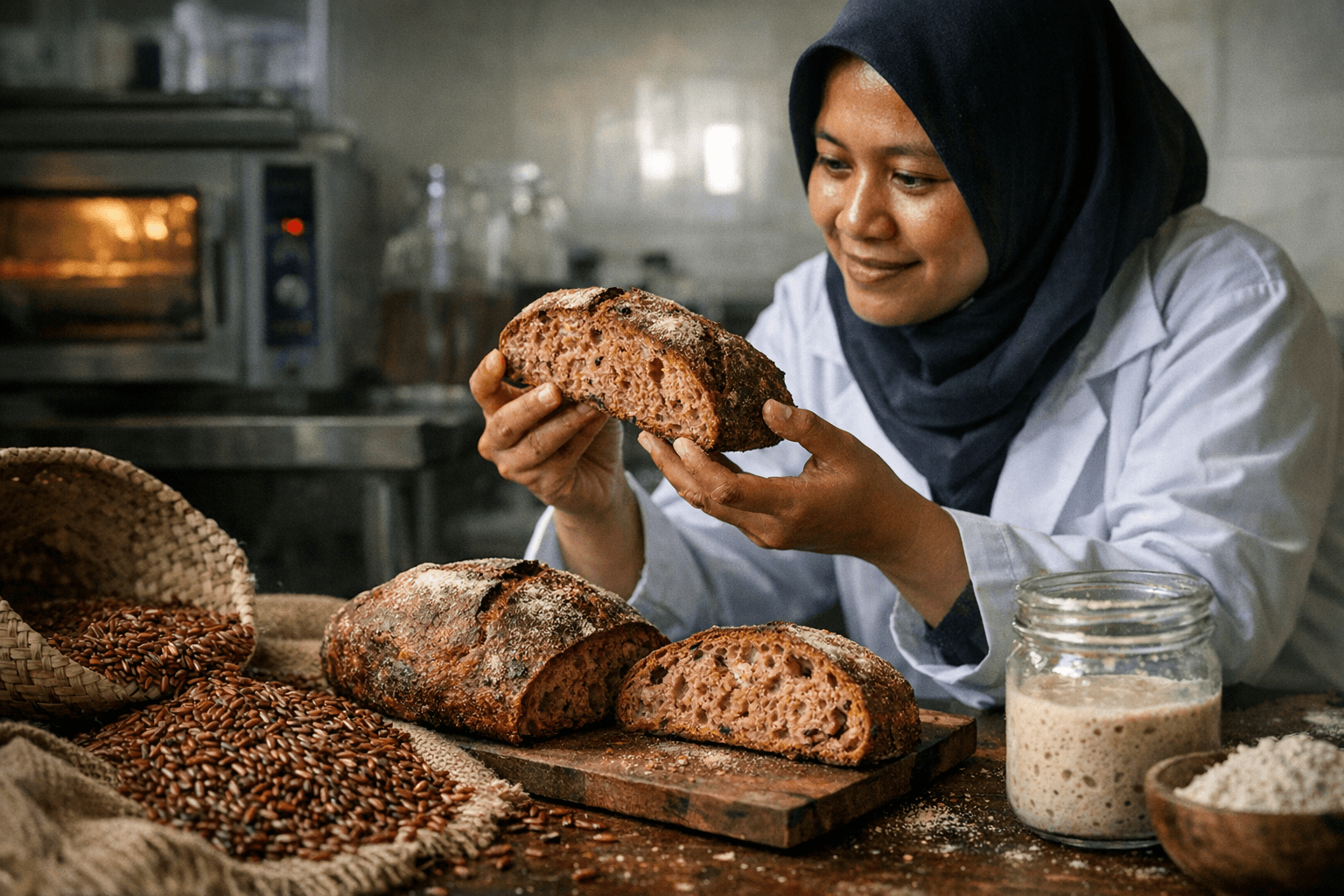
BRIN researcher Dini Ariani said much of the Segreng Handayani rice had historically been used as animal feed, despite being rich in nutrients and fiber. That is where the broader economic story comes in. BRIN’s food research is not limited to cultivation; it also focuses on diversifying processed products to increase value, and sourdough is a practical example of that strategy. Turning a local grain into bread gives Gunungkidul rice a new route into the market, while also offering bakers a case study in how sourdough can carry regional identity, not just fermentation technique.
For the sourdough community, the takeaway is clear: local grains can change more than flavor. They can change structure, moisture, aroma and the way a bread tells the story of where it came from.
This article was produced by Prism’s automated news system from verified source data, official records, and press releases, then run through automated quality and moderation checks before publishing. The system is built and supervised by the people who set the standards it runs under. Read our full AI policy.
Did this article answer your question?