Stale sourdough heels become freezer-ready breadcrumbs for everyday cooking
Don’t toss the heels. Freeze them, blitz them, and you’ve got Italian-style sourdough breadcrumbs that are fresher, cheaper, and ready for dinner tonight.
Why sourdough heels deserve a second life
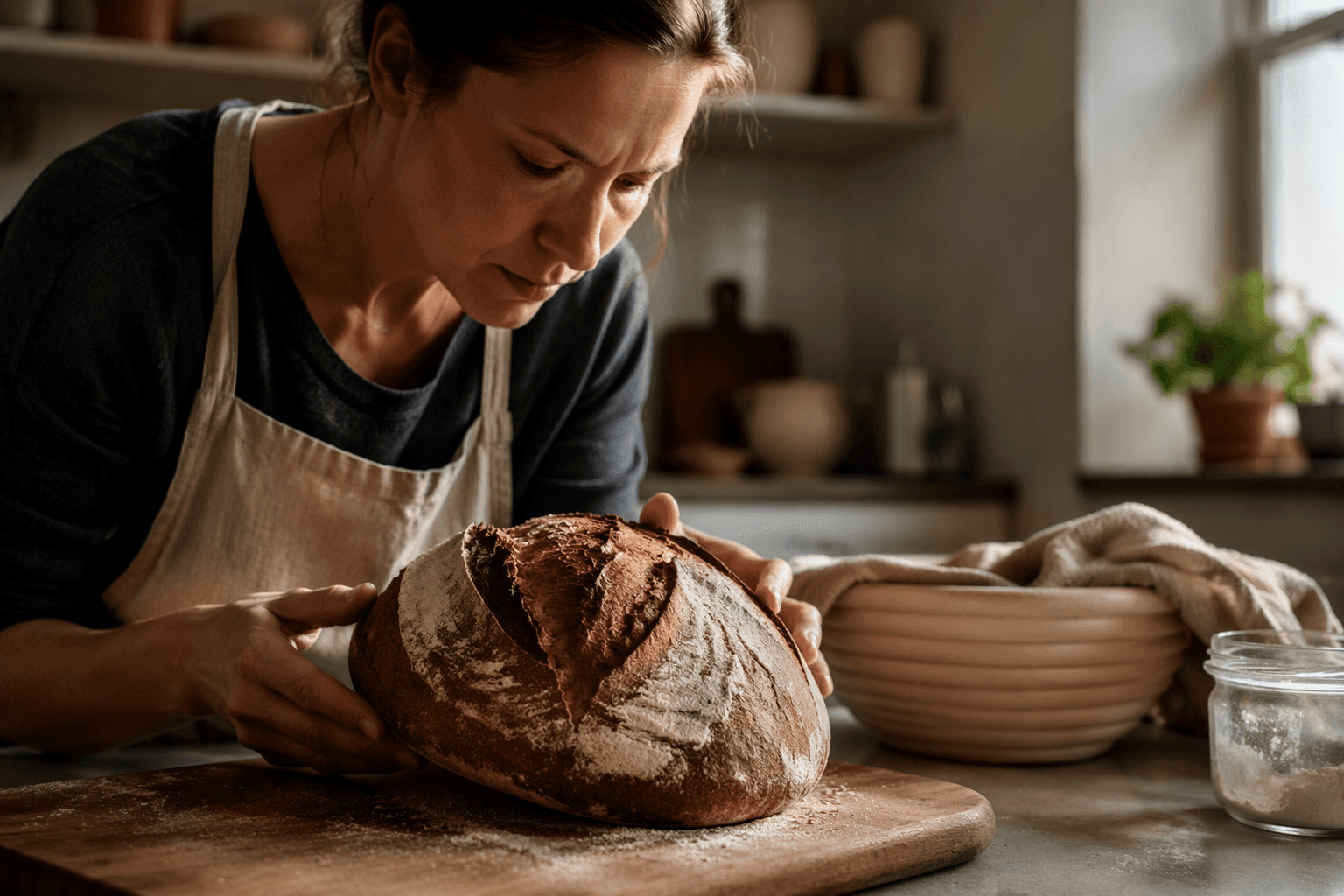
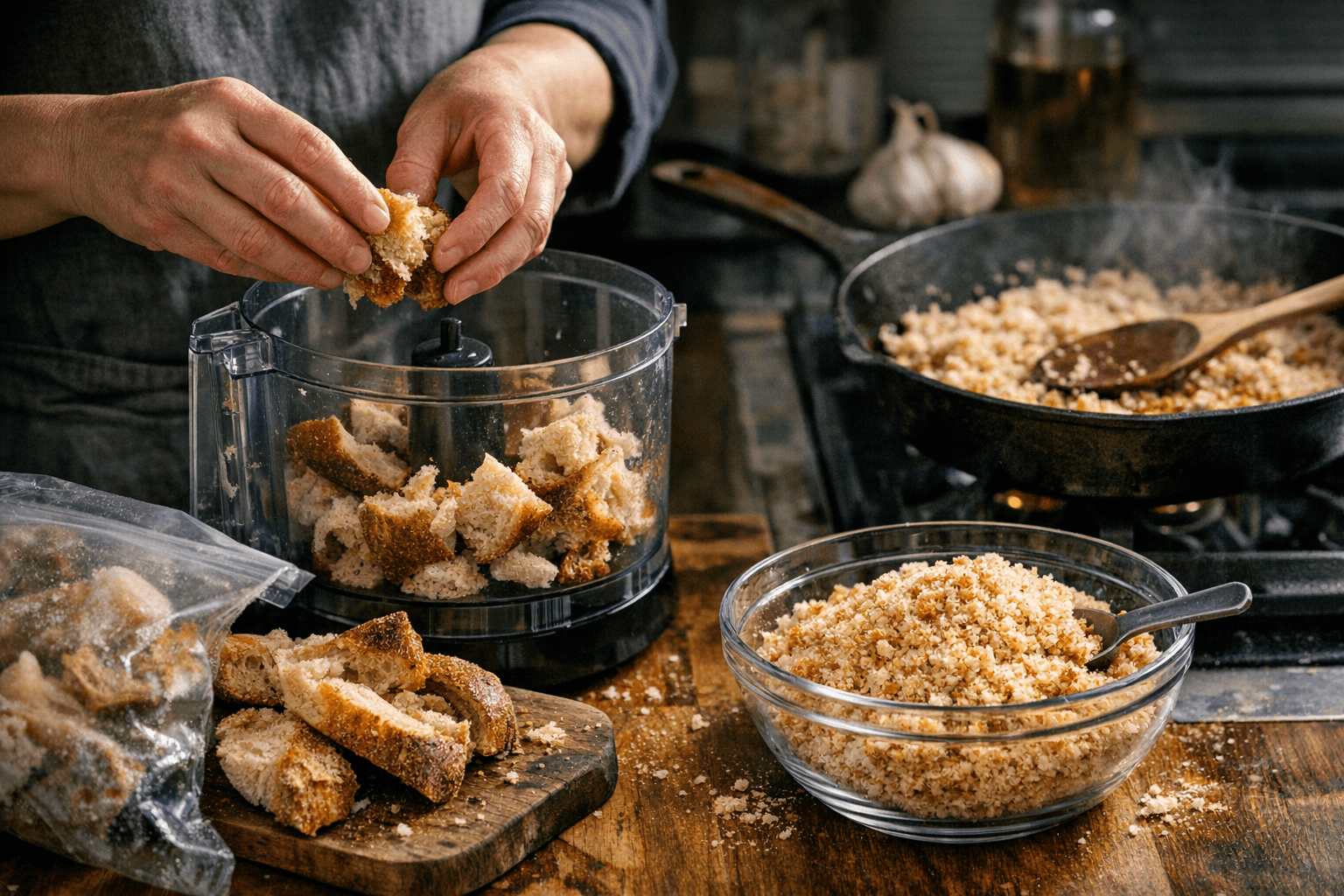
The last slices of a sourdough loaf are often the ones that get ignored, especially when kids pick through the middle and leave the heels behind. That is exactly where this kitchen fix starts: collect those stale ends in a freezer bag, let them build up, and turn them into breadcrumbs instead of waste. In about 35 minutes, you can transform bread that might have gone uneaten into a pantry staple that pulls straight from the freezer with no thawing required.
That simple habit matters more than it looks. The Food and Drug Administration says food waste in the United States is estimated at 30 to 40 percent of the food supply, and the Environmental Protection Agency says USDA has a national goal to halve food loss and waste by 2030. Bread is one of the most wasted foods in households and across the food supply chain, which makes sourdough heels an easy place to start if you want a fix that is practical, not theoretical.
How the freezer-bag method works
The appeal here is speed and simplicity. Instead of waiting until you have a fresh loaf and then trying to use every crumb before it softens, you save the stale heels and end slices until you have enough to process. Once the bag is full, the bread is turned into crumbs, seasoned, and frozen so the batch is ready whenever you need a topping, coating, or binder.
That workflow gives sourdough bakers a use for the pieces that are most likely to linger on the counter. It also extends the life of every loaf without asking for any special equipment or a separate shopping trip. The finished crumbs are freezer-ready, which means the work is front-loaded once, and the payoff keeps showing up at dinner.
The ingredient list is pantry-friendly
The breadcrumb mix leans on ingredients many home cooks already keep around: olive oil, real parmesan, and cabinet spices. That combination gives the crumbs a richer flavor than a plain canister version and lets you decide exactly how salty, savory, or herby they should be. Because the seasoning is customizable, the same batch can be nudged toward Italian-style chicken tenders one night and a mac and cheese topping the next.
That flexibility is part of the point. Store-bought breadcrumbs are convenient, but they are fixed in flavor and texture. Homemade sourdough crumbs let you control the salt level, the cheese, and the spice blend, which makes them more useful when you want a finish that matches the dish instead of hiding in it.
Why homemade crumbs outperform the shelf-stable canister
There is a real difference between fresh homemade crumbs and the dry, packaged kind sitting on the grocery shelf. Homemade breadcrumbs can taste more aromatic, carry more of the bread’s natural tang, and give you a better grip on seasoning. When sourdough is the base, that slight sour note can play especially well with rich dishes, crisp coatings, and baked casseroles.
The comparison matters because this is not just a zero-waste trick, it is a quality upgrade. Some commercial breadcrumbs contain calcium propionate, and the post points to 2019 Harvard T.H. Chan School of Public Health research suggesting it may act as a metabolic disruptor and may be linked to insulin resistance and obesity. Whether your main concern is ingredient transparency or just better flavor, making your own puts you in charge of what is going into the pan.
What to do with the crumbs once they are made
The strongest case for this method is how easily the crumbs slot into everyday cooking. They are not limited to a single recipe or a special occasion dish. The post points to meatloaf, baked mac and cheese, and chicken tenders, and those are exactly the kinds of meals where a sturdy crumb can improve texture, add color, and make a dish feel finished.
Think of them in three useful roles:
- As a coating, they create crunch on chicken tenders, cutlets, or baked vegetables.
- As a topping, they add a browned, savory layer to mac and cheese or casseroles.
- As a binder or filler, they help meatloaf and similar dishes hold together without turning pasty.
Because sourdough has a little more character than plain sandwich bread, the crumbs bring a deeper flavor to these jobs. They are especially handy when you want a topping that tastes intentional, not just functional.
Texture, flavor, and storage all work in your favor
Sourdough breadcrumbs have a sturdier texture than many softer bread crumbs, which helps them brown well and stay crisp in the oven. The parmesan and olive oil in the mix deepen that effect, so the final result lands closer to an Italian-style pantry ingredient than a generic filler. That makes them particularly useful when you want crunch with more personality.
Storage is another big advantage. Food Network says homemade breadcrumbs can be kept in the freezer for up to a year, which means a single batch can cover many dinners. When the crumbs are already portioned and frozen, a handful can go from bag to baking dish without any extra prep.
Breadcrumbs are a classic use for stale bread
This idea may feel modern because it solves a household problem so neatly, but the practice itself is old. Breadcrumbs have long been a way to turn stale bread into something useful, and by the 19th century they were widely used as a crispy coating in European cuisine. Britannica also notes that breadcrumbs serve as an ingredient for breading, stuffing, thickening, and other purposes, which explains why they have lasted in kitchens for so long.
That history fits sourdough particularly well. Sourdough already asks for patience, care, and a respect for every loaf. Turning heels and end slices into breadcrumbs continues that logic instead of letting the last few pieces become waste.
A small habit with a bigger payoff
The broader food-waste picture makes this simple freezer trick feel even more practical. ReFED reported that total surplus food in the United States fell to about 70 million tons in 2024, including nearly 950,000 tons less residential food waste. That is progress, but it also shows how much food still gets lost in everyday kitchens, where small habits matter more than grand gestures.
A freezer bag of sourdough heels will not fix the national food system on its own, but it does something immediate and measurable at home. It turns bread that might have been thrown away into a ready-to-use ingredient, saves money, and puts better flavor on the plate. For sourdough bakers, that is the kind of payoff worth keeping on hand, one loaf at a time.
This article was produced by Prism’s automated news system from verified source data, official records, and press releases, then run through automated quality and moderation checks before publishing. The system is built and supervised by the people who set the standards it runs under. Read our full AI policy.
Did this article answer your question?