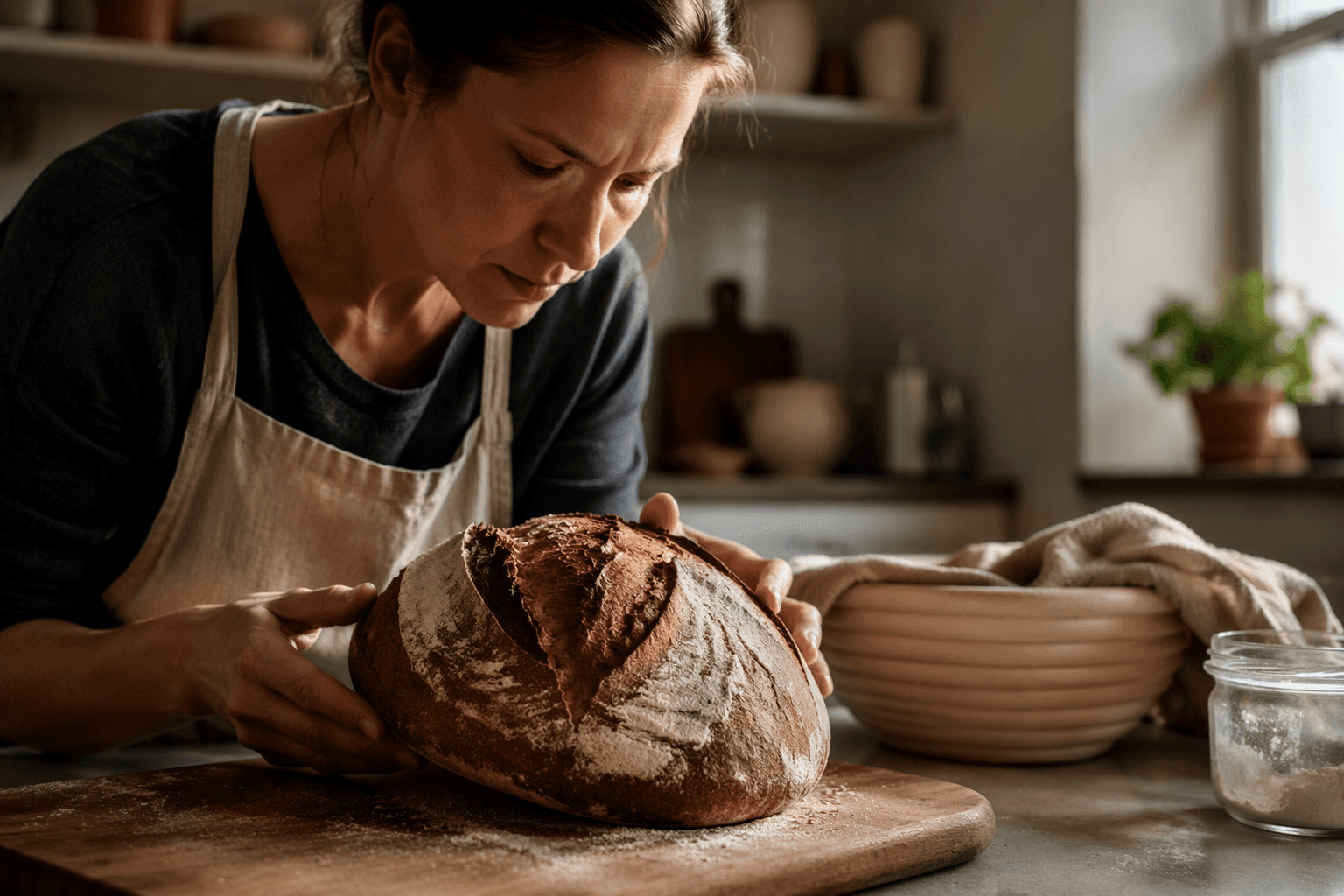
Mama Gourmand Shares 10-Minute Gluten-Free Sourdough Bread Recipe
Mama Gourmand’s 10-minute gluten-free sourdough strips away the starter schedule and preheat ritual, yet still promises a squishy crumb and crusty shell.
A shortcut aimed at the hardest part of gluten-free sourdough
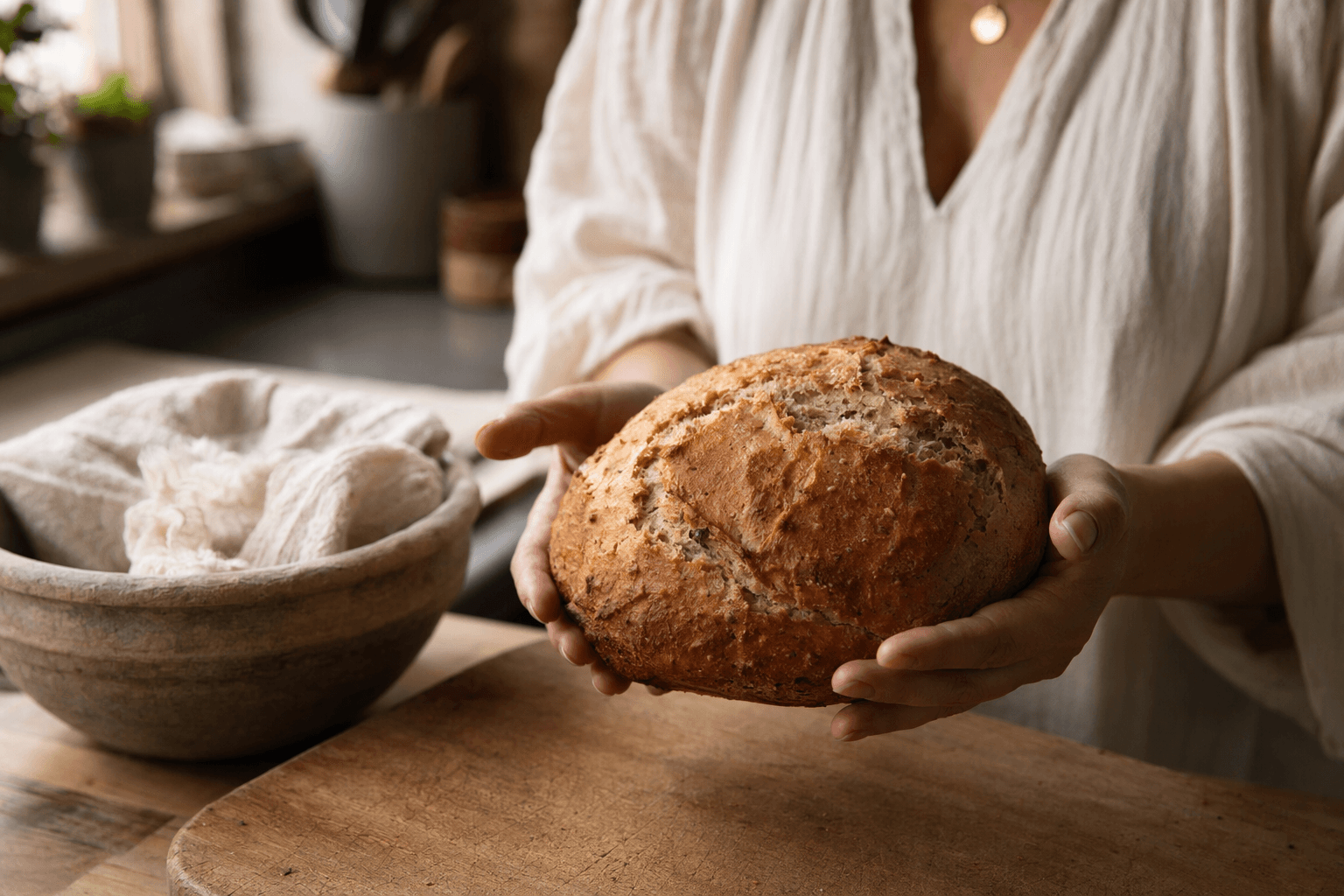
Mama Gourmand’s 10-minute gluten-free sourdough bread recipe goes straight at the frustration point that keeps many bakers from trying again: the feeling that sourdough, especially gluten-free sourdough, demands too much planning. Published on April 27, 2026, the recipe is pitched as a way to get an artisan-style loaf without the usual mental load, and that promise is exactly what makes it clickable. It starts with a cold sourdough starter and a cold oven, then aims for a loaf that is squishy inside with a crusty, chewy shell.
What makes that pitch stand out is not just speed, but what it chooses to skip. There is no starter-activation window, no preheating routine, and no expectation that the baker will turn bread day into a weekend project. Instead, the recipe frames success as something far more accessible: read carefully, measure well, follow directions, and let the process do the heavy lifting.
What this recipe skips, and why that matters
Traditional sourdough asks bakers to manage time like a second ingredient. A starter often needs to be fed in advance, dough may need long rests, and many recipes build in an overnight chill or a prolonged cooling period before slicing. Mama Gourmand’s version cuts against that rhythm by beginning with a cold starter and a cold oven, which removes two of the biggest timing hurdles right away.
That matters because gluten-free bakers often face a steeper learning curve than regular sourdough bakers. The post is clearly written for people who have tried and failed before, or who have felt boxed out by recipes that assume a high level of coordination. By making the hardest part of the recipe the act of following directions, the method lowers the barrier to entry without pretending sourdough is magic.
Who this loaf is really for
This is not a loaf for someone chasing the deepest possible sourdough complexity. It is for the baker who wants the sourdough name, the bakery-style crust, and the comfort of a formula that fits into a normal day. It is also for gluten-free households where bread is not a novelty but a staple, and where the usual sourdough workflow can feel more intimidating than inspiring.
That audience is large enough to matter. The Food and Drug Administration estimates that about 3 million people in the United States have celiac disease, and the only treatment is a strict gluten-free diet. Bread is one of the first foods people miss, which is why a simpler gluten-free sourdough recipe lands as a practical answer, not just a trend piece.
The pain point is real, and so is the budget pressure
The appeal of this recipe also sits in the economics of gluten-free baking. In a 2021 survey from the Gluten Intolerance Group, 78% of respondents said the cost of gluten-free food was their biggest challenge, and 38% said access to gluten-free food was a challenge. Those numbers help explain why recipes that use routine pantry ingredients and keep the process lean can resonate so strongly.
A loaf that trims back the fuss also trims back the need to overbuy specialty items or repeatedly waste ingredients on complicated timing. For many gluten-free bakers, the real obstacle is not ambition, but fatigue. A bread formula that removes the planning burden may be more valuable than one that simply promises better flavor but demands more from the cook.
Does it still sound like sourdough?
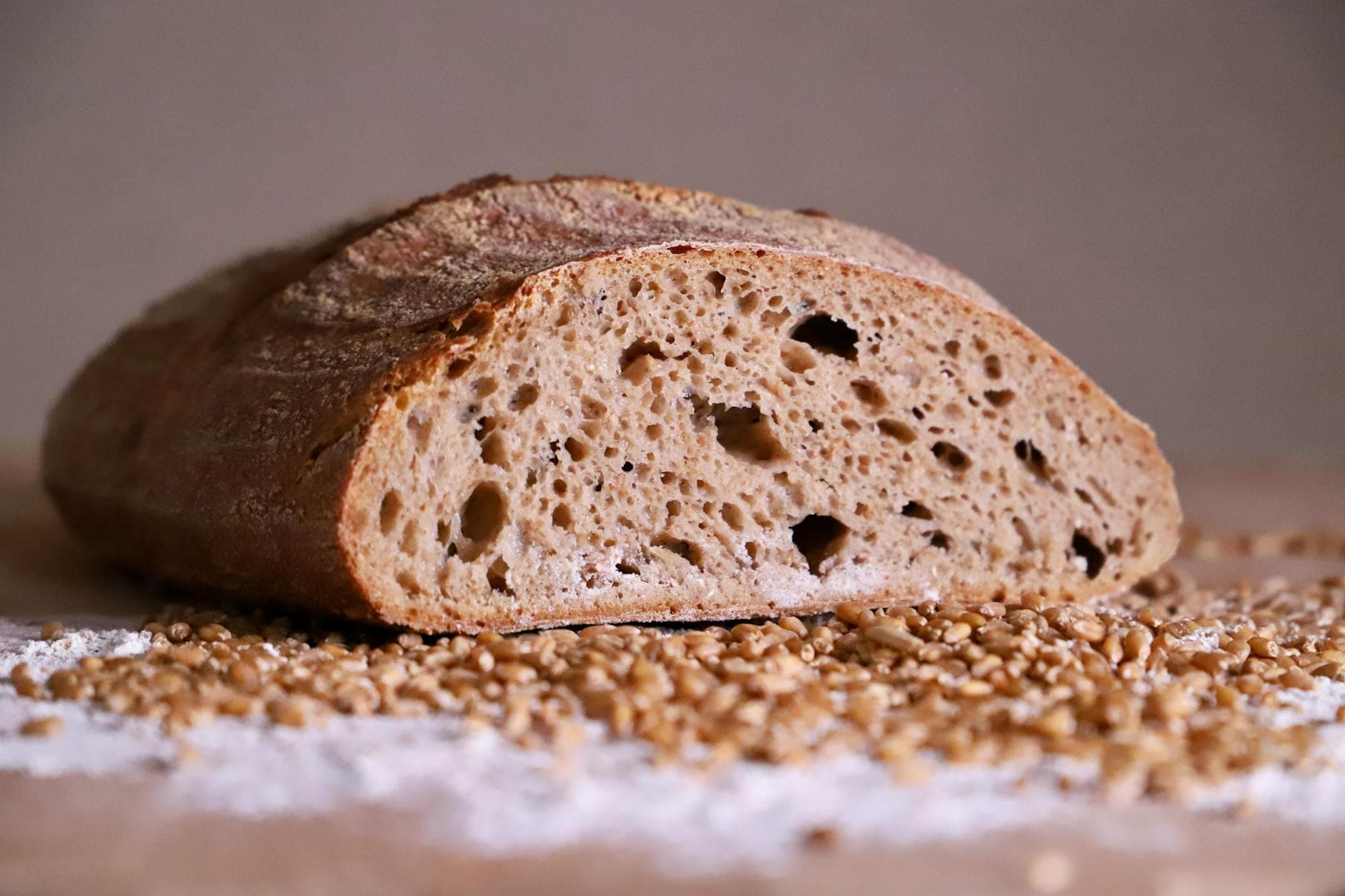
That is the key question skeptical bakers will ask. The answer, based on the recipe’s positioning, is yes, but in a streamlined way. It still leans on sourdough language and sourdough structure, and it still aims for the sensory payoff that people want from an artisan loaf: a chewy shell, a soft interior, and a bread that feels more substantial than a basic quick bread.
The science supports why sourdough remains such an attractive format, even in simplified gluten-free versions. Peer-reviewed research has found that sourdough fermentation can improve texture, aroma, nutritional properties, and shelf life, and that it has been successfully applied to gluten-free breads. That is part of the reason this style keeps getting reworked for modern kitchens: the method still has real value, even when the schedule gets simplified.
How it compares with more traditional gluten-free sourdough
King Arthur Baking’s gluten-free sourdough recipe sits closer to the classic sourdough script. It recommends an overnight chill for better flavor and texture, cooling the bread in the oven for a crispy crust, and waiting several hours before slicing. That approach asks for patience and planning, which many serious bakers accept as the cost of a more developed loaf.
Mama Gourmand’s version takes the opposite tack. It is built for immediacy, with the idea that a home baker can make something satisfying without treating the process like a production line. That contrast is what makes the recipe interesting: it is not trying to replace every classic sourdough formula, only to solve a different problem.
Why Mama Gourmand keeps landing in this lane
The recipe fits neatly into the wider tone of Mama Gourmand’s gluten-free baking identity. The site presents itself around easy, family-friendly gluten-free recipes, and it already features other streamlined breads, including a squishy soft gluten-free bread and an easy gluten-free Italian bread with just a few minutes of prep. This sourdough recipe extends that same editorial logic into one of the trickier categories in gluten-free baking.
That consistency matters. It suggests this is not a one-off gimmick dressed up as sourdough, but part of a larger effort to make gluten-free bread less intimidating and more repeatable. The result is a recipe that understands its audience: people who want a better loaf, but do not want to rearrange their entire day to get it.
The real takeaway
Mama Gourmand’s 10-minute gluten-free sourdough does solve a genuine pain point: the planning burden that keeps sourdough feeling inaccessible, especially in gluten-free baking. It does not erase the differences between a shortcut and a deeply developed traditional loaf, and it should not be mistaken for a full replacement for every artisan method. But for bakers who want a squishy, crusty, chewy loaf without the choreography, it offers something genuinely useful: a more forgiving way into sourdough that still speaks the language of bakery bread.
This article was produced by Prism’s automated news system from verified source data, official records, and press releases, then run through automated quality and moderation checks before publishing. The system is built and supervised by the people who set the standards it runs under. Read our full AI policy.
Did this article answer your question?