Sourdough’s ancient roots, from Egyptian bread to modern revival
From 4,500-year-old Egyptian yeast to Tartine-era hype, sourdough’s comeback blends real fermentation science with savvy wellness branding.
From ancient grain paste to a loaf with a story
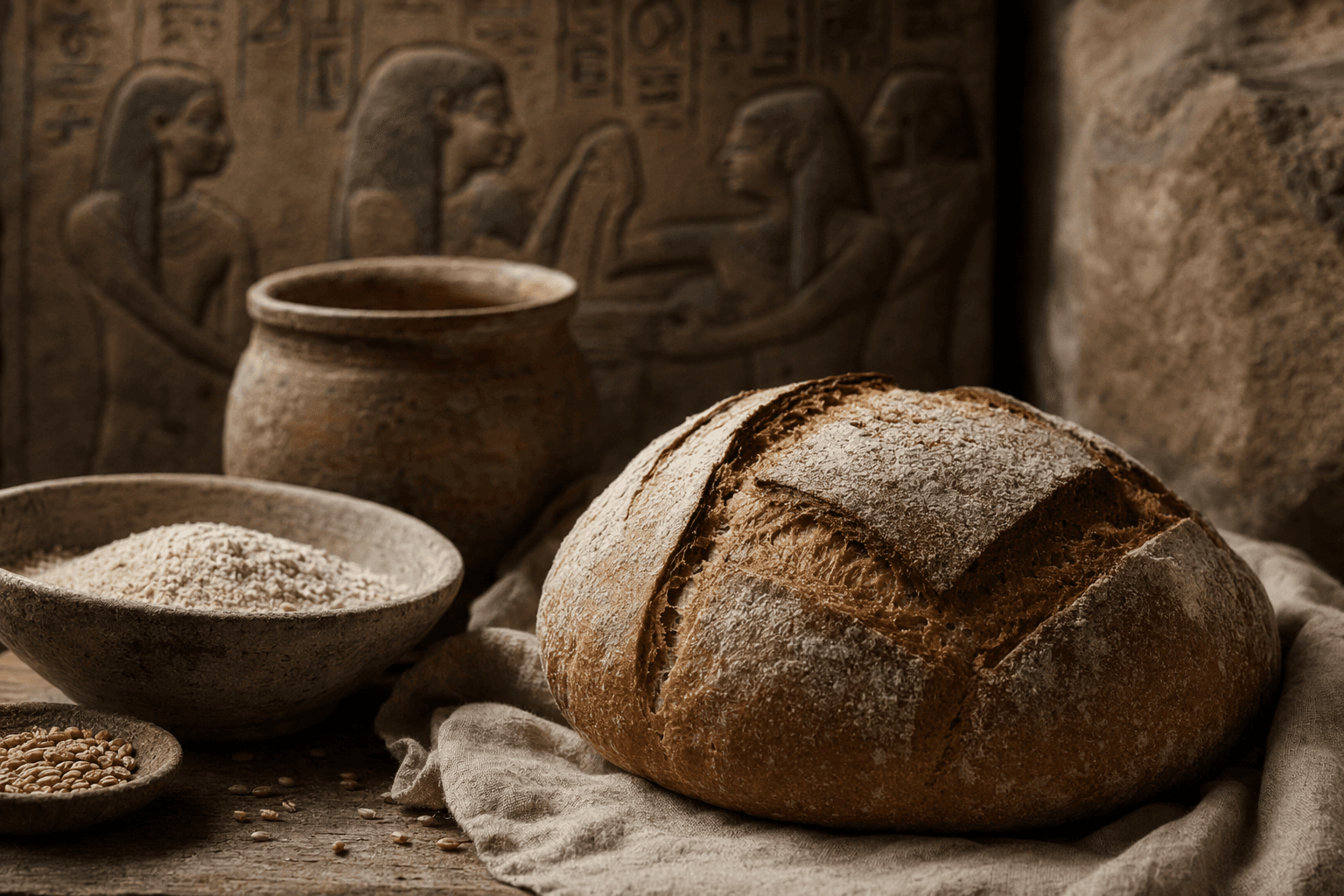
Sourdough’s biggest modern selling point is not just flavor, it is lineage. The bread people now treat as a wellness staple starts with a simple, almost accidental act: a grain paste left open to wild yeast, the kind of moment archaeologists and food historians often link to ancient Egypt around 1500 BCE. That origin gives sourdough an unusual edge in today’s bakery case, because it feels both ancient and newly relevant, a living food that still depends on patience, air, and microbes.
The appeal is stronger because the past is not merely decorative. Researchers have reported recreating bread using yeast extracted from 4,500-year-old Egyptian vessels, a reminder that fermentation was already highly advanced in antiquity. In other words, the romance of sourdough is not just branding layered onto a modern loaf. It is rooted in a real baking tradition that understood, long before steel mixers and commercial yeast, how to turn flour and water into something lighter, tangier, and more durable.
Why sourdough survives as a living starter
What makes sourdough different from many other breads is that it is kept alive. The starter is treated like an heirloom, handed down through households and bakery generations, refreshed rather than replaced. That living quality is a big part of why sourdough has emotional pull for home bakers: you are not just mixing dough, you are maintaining a culture that can keep producing bread for years.
That continuity also explains why sourdough has traveled so well. The tang people associate with the style is not tied to one city or one bakery alone. It comes from time and fermentation, which means the same broad sourdough identity can show up in loaves across different countries while still feeling locally specific. In the kitchen, that makes sourdough less like a fixed recipe and more like a technique that adapts to the starter, the flour, and the baker’s schedule.
San Francisco made sourdough famous, but not exclusive
San Francisco’s role in sourdough history is real, but it is often simplified. The city’s modern sourdough identity is usually traced to the Gold Rush era, when bakers built a reputation around the bread’s flavor and keeping quality. Boudin Bakery, founded in 1849, is widely credited with helping codify the city’s style of sourdough bread, turning a regional loaf into a recognizable culinary signature.
That history matters because it shows how sourdough became a brand before branding was a buzzword. San Francisco helped give the bread a public identity, but it did not invent the underlying fermentation. The city’s name became shorthand for a style, while the real magic remained the same old partnership of flour, water, microbes, and time. For today’s baker, that distinction is useful: the mythology may be local, but the method is universal.
Why the loaf vanished, then came roaring back
Sourdough did not dominate the 20th century. As industrial yeast, standardized baking, and supermarket loaves took over, real sourdough became less common in the West. That shift made sense commercially: commercial yeast sped up production, simplified scheduling, and reduced the need for long fermentation. The result was efficient bread, but often at the expense of the depth and texture that slow fermentation can bring.
The comeback owes a lot to the slow food movement and to bakers who treated fermentation as craft rather than nostalgia. Chad Robertson became one of the most influential names in that revival, and his 2010 book, Tartine Bread, is widely treated as a landmark text for both home bakers and professionals. Tartine turned sourdough into a serious baking obsession again, giving a generation of bakers a reference point for open crumbs, dark crusts, and careful starter management.
What the wellness pitch gets right, and what it stretches
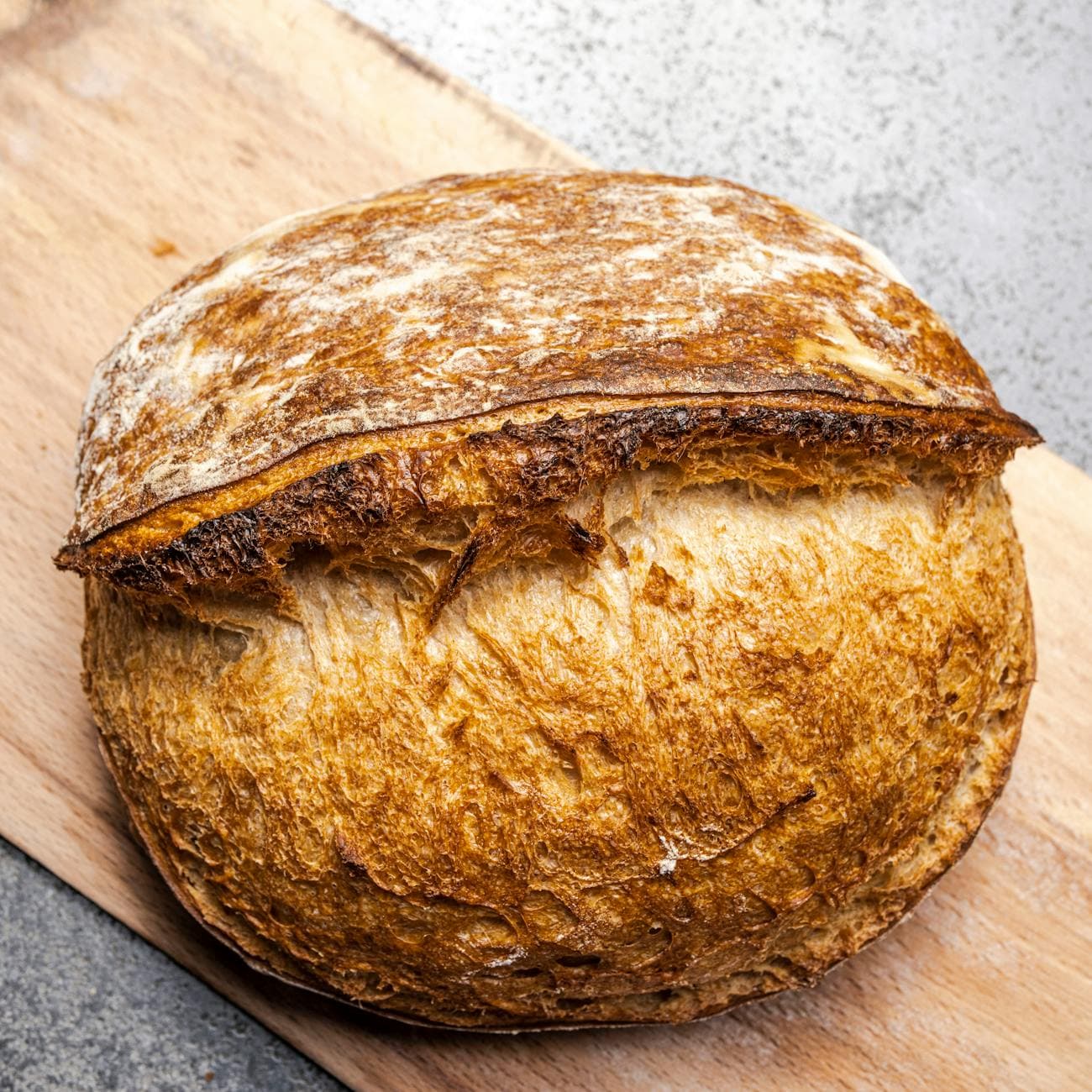
Sourdough’s modern wellness glow is not pure fantasy, but it is also not a free pass to health claims. Long fermentation can break down some gluten and lower glycaemic load, which helps explain why sourdough now lives in two worlds at once: heritage food and wellness-adjacent staple. That is a compelling story for the health-conscious baker, especially one looking for bread that feels more thoughtful than a standard sandwich loaf.
The science, however, is more measured than the marketing. A systematic review of 25 clinical trials involving 542 participants found that some standardized sourdough products improved glycemic response or gastrointestinal comfort, but the evidence is not definitive. Separate clinical work found no significant difference in some outcomes between traditionally made sourdough-leavened whole-grain bread and industrial white bread. In practical terms, that means sourdough can be part of a better bread conversation, but it is not a miracle food.
That distinction is important because sourdough’s popularity now depends on a mix of tradition, science, and branding. Tradition gives it depth. Science gives it some plausible advantages. Branding turns those advantages into a modern lifestyle signal. The strongest version of sourdough marketing is not “this bread cures everything.” It is “this bread is fermented, slower, and often easier on digestion for some people, while also tasting better than mass-produced loaves.”
What the gluten-free label does not mean
One of the biggest misunderstandings around sourdough is the assumption that fermentation makes wheat bread safe for people with celiac disease. It does not. Under U.S. FDA rules, foods labeled gluten-free must contain less than 20 parts per million of gluten, and traditional wheat-based sourdough is not automatically gluten-free just because it is fermented.
That matters for everyday baking decisions. A long rise may change flavor and texture, and it may influence how some people feel after eating bread, but it does not erase gluten. For anyone baking for celiac needs, the starter story is not enough. Ingredient control and certified gluten-free standards still matter more than the romance of fermentation.
Why sourdough keeps winning new bakers
Sourdough’s revival endures because it offers something most modern food trends cannot: a visible process with a real payoff. You feed a starter, you wait, you shape, you bake, and you get a loaf that carries the evidence of that care in its crust and crumb. The method is old, but the appeal is current, especially for bakers who want food that feels both handmade and meaningful.
That is why sourdough now sits comfortably in the overlap between history and wellness culture. The ancient-Egypt origin story gives it authority, the San Francisco legacy gives it identity, Tartine gave it modern prestige, and the science gives it enough credibility to keep the conversation going. What survives is not just a bread style, but a reminder that some of the most marketable foods are the ones that still ask for time.
This article was produced by Prism’s automated news system from verified source data, official records, and press releases, then run through automated quality and moderation checks before publishing. The system is built and supervised by the people who set the standards it runs under. Read our full AI policy.
Did this article answer your question?