Modern Stone Age advanced sourdough class explains repeatable loaves
Modern Stone Age’s advanced class targets the real sourdough variables that make loaves swing from perfect to patchy: pH, dough temperature, and formula control.
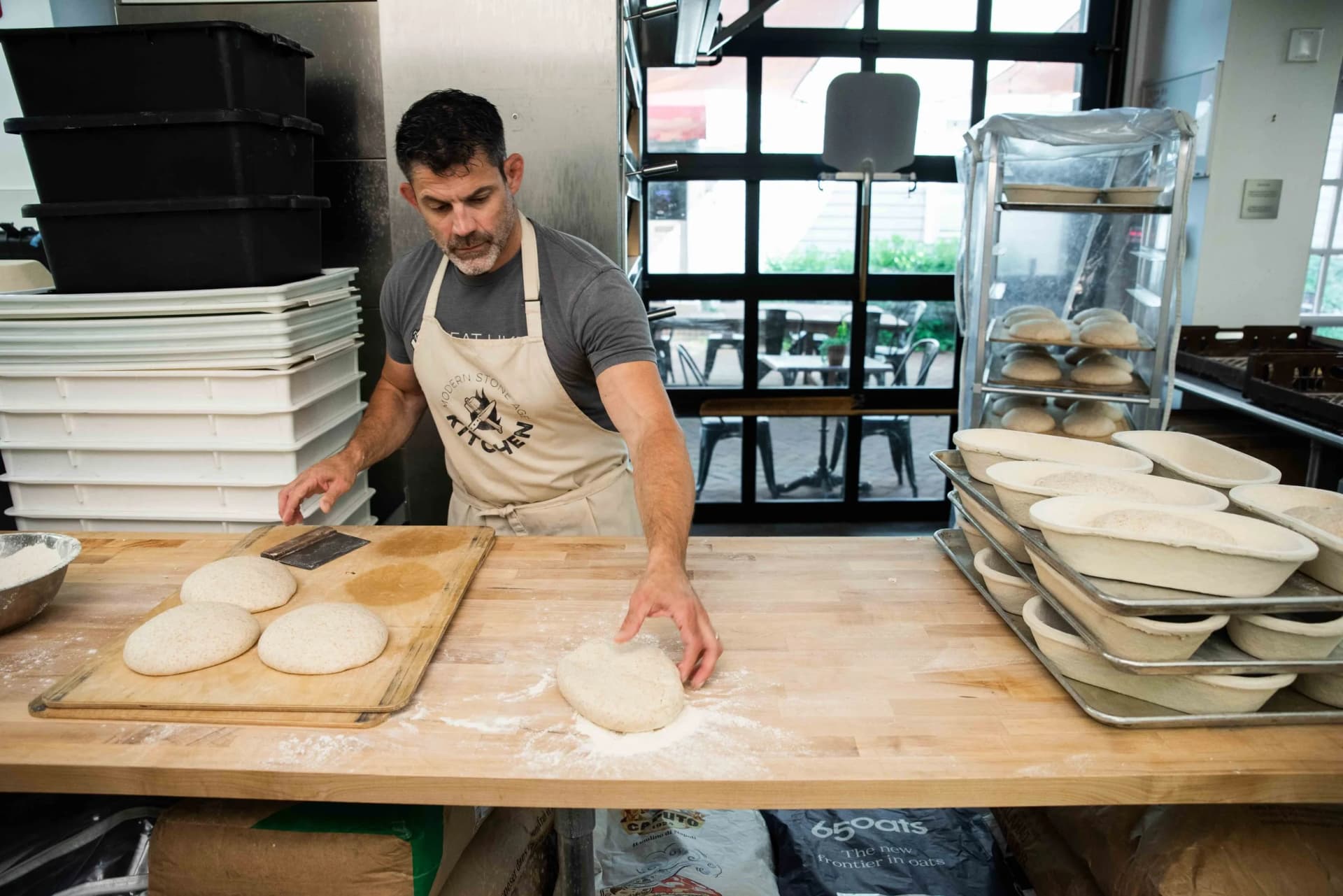
If your sourdough looks right on the bench but comes out with weak oven spring, a gummy band, or a crumb that changes from loaf to loaf, the problem usually is not “more starter.” Modern Stone Age’s Advanced Sourdough class goes straight at the variables that make a dough repeatable: pH, Final Dough Temperature, baker’s percentages, and the way dough behaves once fermentation starts to move.
What this class is actually teaching
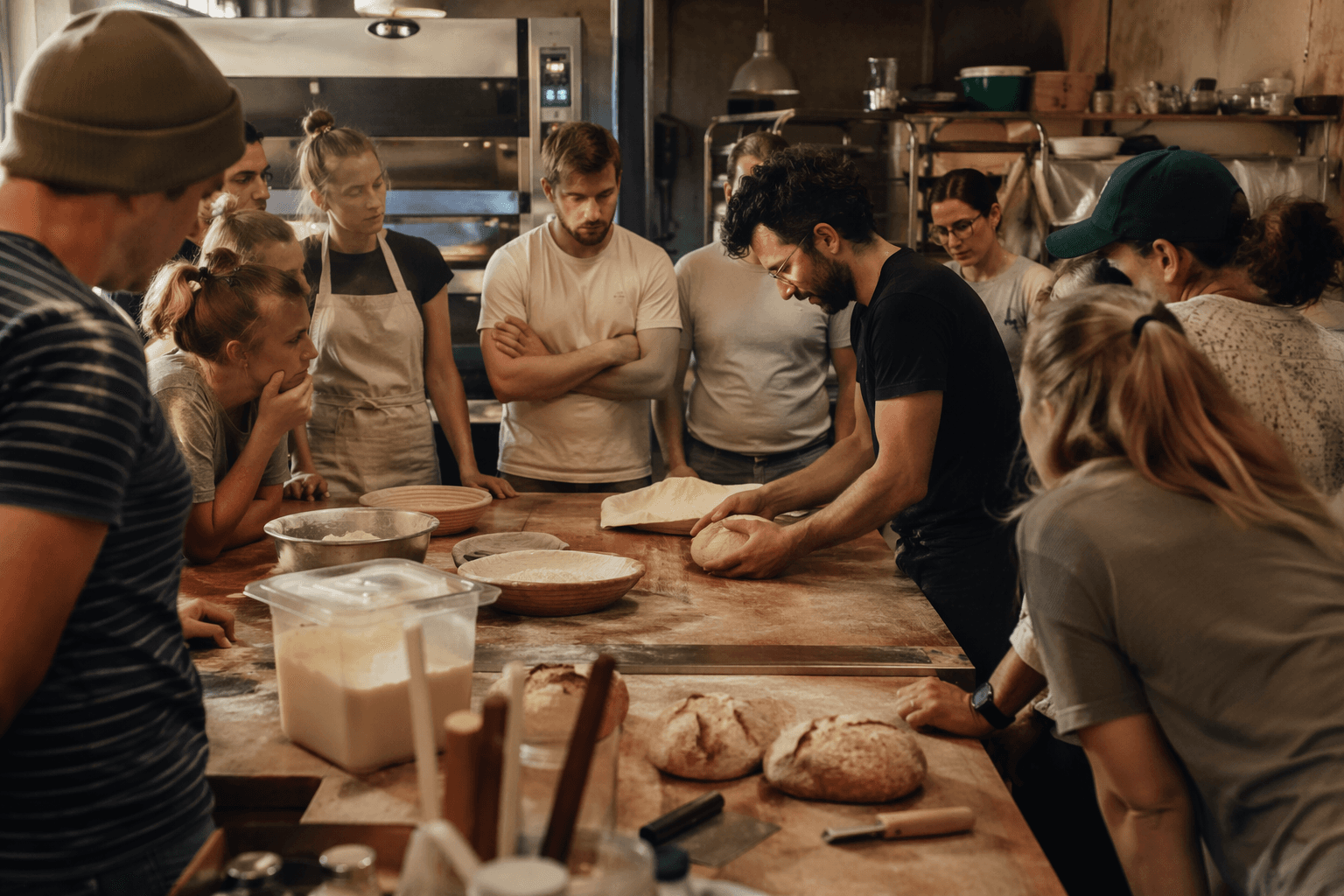
This is an advanced, hands-on artisan bread class, not a starter primer. Modern Stone Age says it is not for beginners and expects prior sourdough experience or completion of a foundational class, which tells you exactly where it sits in the learning curve. The syllabus is built for bakers who already know how to feed a starter and mix a dough, but want to understand why one loaf lands cleanly while the next one runs hot, stalls out, or overproofs.
The class covers monitoring and controlling pH, calculating Final Dough Temperature, and working with baker’s percentages and recipe fundamentals for scaling and formula development. That combination matters because home bakers often get stuck at the point where they can follow a formula but cannot adjust it for a colder kitchen, a different flour, a higher hydration dough, or a schedule that changes by a few hours. This class is aimed at the next step: learning how to read the dough instead of just repeating the recipe.
The hands-on breads are baguettes and fougasse, which is a smart teaching choice. Both breads force clean shaping, scoring, and finish work, and both reveal whether fermentation and structure are under control. Modern Stone Age also emphasizes inclusions, preshaping, shaping, scoring, and baking, so the class is clearly built around the whole workflow, not just a mixing demo.
Why pH and Final Dough Temperature matter so much
The pH focus is the giveaway that this class goes beyond routine home-baking advice. In sourdough, pH is tied to fermentation, flavor, structure, and digestibility, so it is not some lab-only number buried in a textbook. When pH drifts, the dough can feel slack, taste overly sharp, or bake unevenly, even when the timing looks normal on paper.
Final Dough Temperature is the other big lever here. King Arthur Baking calls dough temperature one of the most important skills for improving consistency in fermentation, flavor, and production timing, and that tracks with what advanced bakers see in real kitchens. A dough mixed too warm can tear through bulk fermentation before you are ready; a dough mixed too cool can crawl, leaving you chasing proofing windows all day.
Tom Cucuzza at The Sourdough Journey built a bulk-fermentation method around dough temperature and percentage rise after years of research and hundreds of experiments. That matters because it reflects the real headache behind inconsistent loaves: bulk fermentation does not happen on a perfect clock, and room temperature is only part of the story. If you want repeatable bread, you need to know what temperature the dough actually entered fermentation at, and how far it has risen before you move to shaping.
The broader science supports that focus. Review literature on sourdough says temperature, pH, fermentation time, and microbial composition all affect the nutritional and sensory properties of the bread. A 2025 review also reported potential benefits from sourdough fermentation, including up to 90% phytate reduction, improved protein digestibility, and a lower glycemic index compared with conventional bread. That does not mean every loaf is automatically healthier, but it does show why precise control over fermentation is more than a perfectionist’s obsession.
Why the class leans on baguettes and fougasse
Baguettes and fougasse expose dough behavior in a way a simple country loaf sometimes does not. When the mix is off, you see it immediately in scoring, shape retention, openness of crumb, and the final bake. A dough that was under-controlled in bulk will usually betray itself here, because those formats demand enough structure to hold shape and enough fermentation to open properly.
That is why the class pushes recipe scaling and baker’s percentages as core skills, not side notes. Once you can adjust a formula intelligently, you stop treating every flour, hydrations level, and room temperature as a new mystery. You can start making choices on purpose, whether that means nudging the dough temperature up, trimming fermentation time, or changing hydration to suit the flour in front of you.
How Modern Stone Age fits into the larger sourdough world
Modern Stone Age is based in Chestertown, Maryland, and it identifies founders Christina Schindler and Dr. Bill Schindler. The company says it has a team of more than 25 people and describes its mission as transforming health through real food. It also presents itself as an organic sourdough bakery, scratch-made kitchen, and food lab, which tells you this class is part of a much larger fermentation-centered operation rather than a one-off workshop.
The teaching ladder is already there. Modern Stone Age offers beginner sourdough classes, a sourdough mother class, and an online community called The Ancestral Table, so the advanced class slots in as the point where the basics stop being the point. The business also says its broader sourdough program helped launch Rise by Brianna, its sourdough line, showing how the education side and the product side feed each other.
Bill Schindler’s ancestral-food framing gives the whole program a clear point of view. This is not bread as a trendy side project; it is bread as a craft you can control, measure, and improve with the right variables in hand. That is exactly why the Advanced Sourdough class lands where it does: for bakers who are done blaming the starter and want to fix the loaf by controlling the dough.
This article was produced by Prism’s automated news system from verified source data, official records, and press releases, then run through automated quality and moderation checks before publishing. The system is built and supervised by the people who set the standards it runs under. Read our full AI policy.
Did this article answer your question?