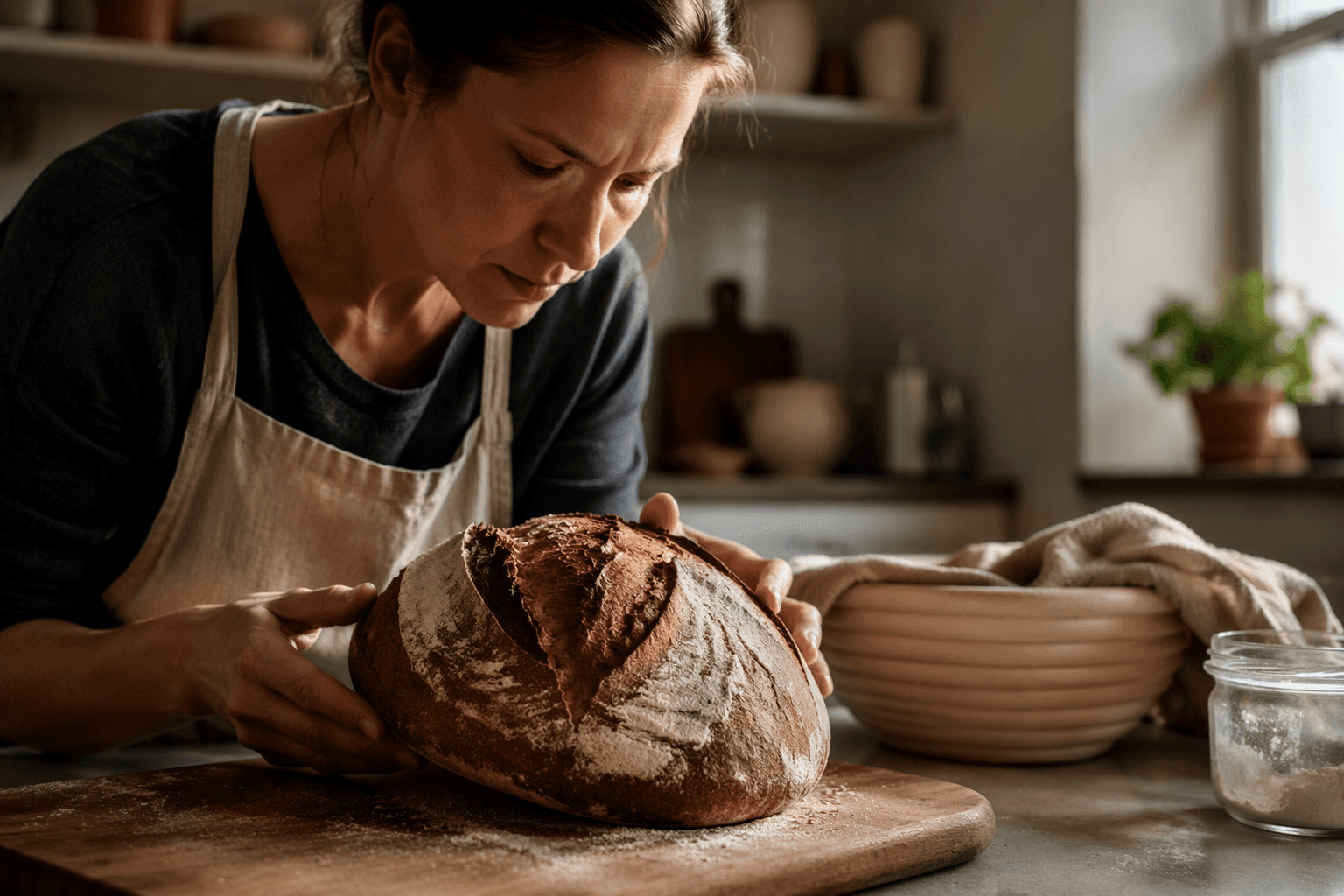
Mountainside Families Learn Sourdough Baking Through New Recreation Department Classes
Mountainside's "Connecting Generations" program brought sourdough to its recreation classes, with Hartford HealthCare experts cited on fermentation's effect on glycemic response and mineral absorption.
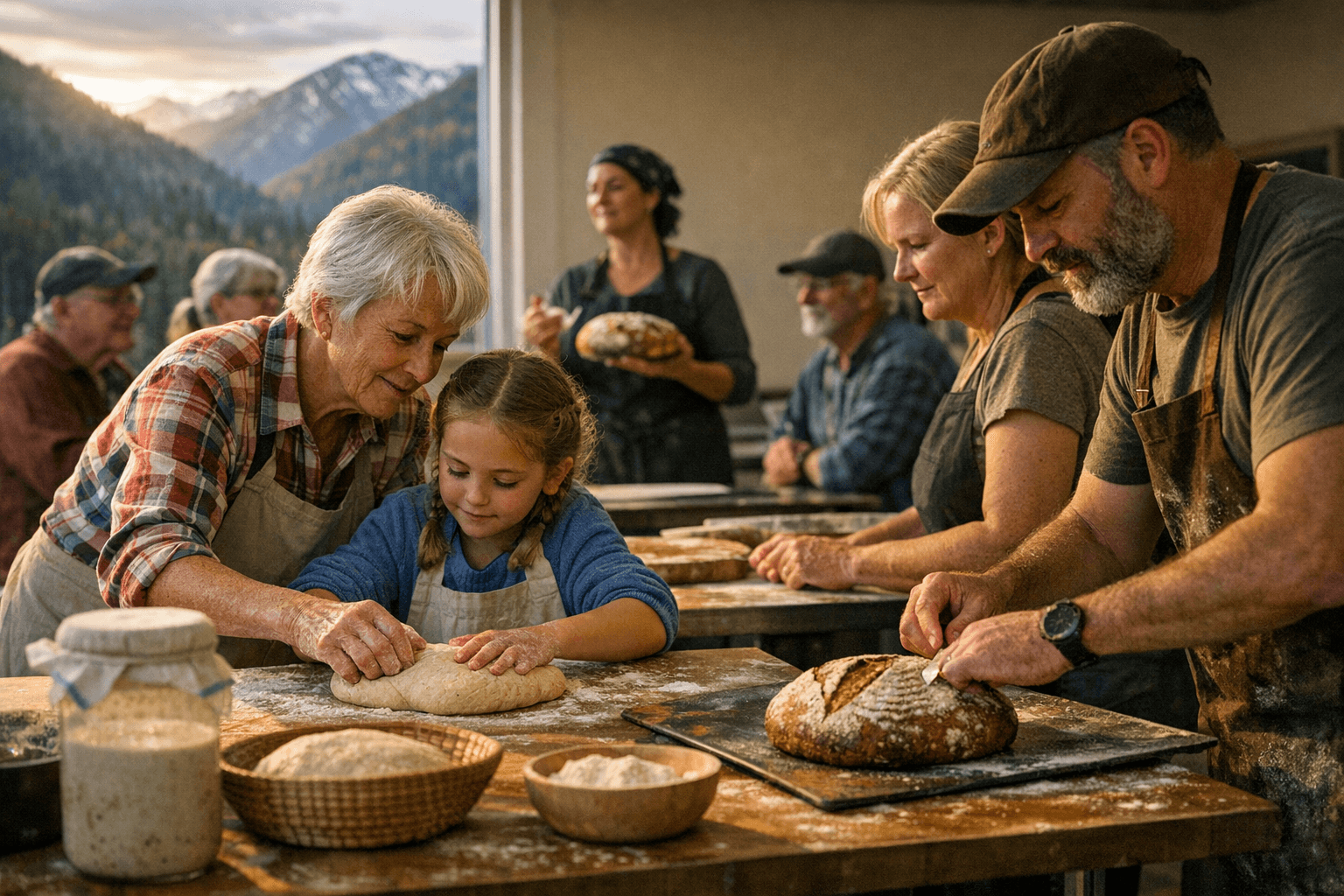
Mountainside's recreation department stepped into the fermentation world this month, launching a sourdough baking class under the borough's "Connecting Generations" initiative that paired hands-on levain instruction with science-grounded explanations of why naturally fermented bread behaves differently in the body than its commercial counterparts.
The class walked participants through the full arc of sourdough fundamentals: building and feeding a starter, understanding the maintenance schedule that keeps a culture active, and producing a basic loaf. Attendees left with starters of their own, giving them something far more useful than a recipe.
The nutritional framing underpinning the class draws on research the sourdough community has long considered foundational. Hartford HealthCare experts contributed context on two key mechanisms: slow fermentation partially breaks down gluten and complex starches, which can ease digestibility for some people, and naturally leavened bread typically produces a lower glycemic response than many refined commercial breads. The class also incorporated the work of Dr. Vanessa Kimbell of The Sourdough School on a third point: fermentation reduces phytic acid in grain, which improves the bioavailability of minerals that would otherwise pass through the body largely unabsorbed.
One distinction the class made explicit is the difference between live-culture claims and fermentation chemistry. Baking kills the microbes in a starter, but the fermentation process itself produces postbiotics and structurally altered grain components that continue to affect digestion and nutrient uptake after the loaf comes out of the oven. That distinction matters in a food landscape where probiotic marketing often blurs the line between what survives baking and what fermentation changes before the bread ever hits heat.
The "Connecting Generations" framing is deliberate. Sourdough's 24-to-48-hour process and ongoing starter maintenance are as much about teaching patience and kitchen rhythm as they are about producing bread. By positioning the class as a municipal recreation offering rather than a specialty culinary course, Mountainside made that instruction accessible to families who might not otherwise seek out a dedicated bread school or structured fermentation program.
Municipal sourdough programming has been gaining ground as recreation departments recognize that fermentation-based baking hits a rare intersection: it's a hands-on craft, a food science lesson, and a cross-generational activity that requires no expensive equipment. A bag of flour, water, salt, and a fed starter cover the full supply list.
Community classes like this one offer something online tutorials cannot fully replicate: real-time troubleshooting, starter samples with known feeding histories, and the shared experience of a room working through bulk fermentation together. The Mountainside class is exactly the kind of low-barrier, expert-adjacent entry point that tends to turn a passing curiosity about wild yeast into a committed baking practice.
This article was produced by Prism’s automated news system from verified source data, official records, and press releases, then run through automated quality and moderation checks before publishing. The system is built and supervised by the people who set the standards it runs under. Read our full AI policy.
Did this article answer your question?