Slow Fermentation Turns Sourdough Into a Prebiotic Gut Health Powerhouse
Slow fermentation produces specific enzymes that can reduce phytic acid by up to 90% and drop sourdough's glycemic index to 54, far below commercial bread.
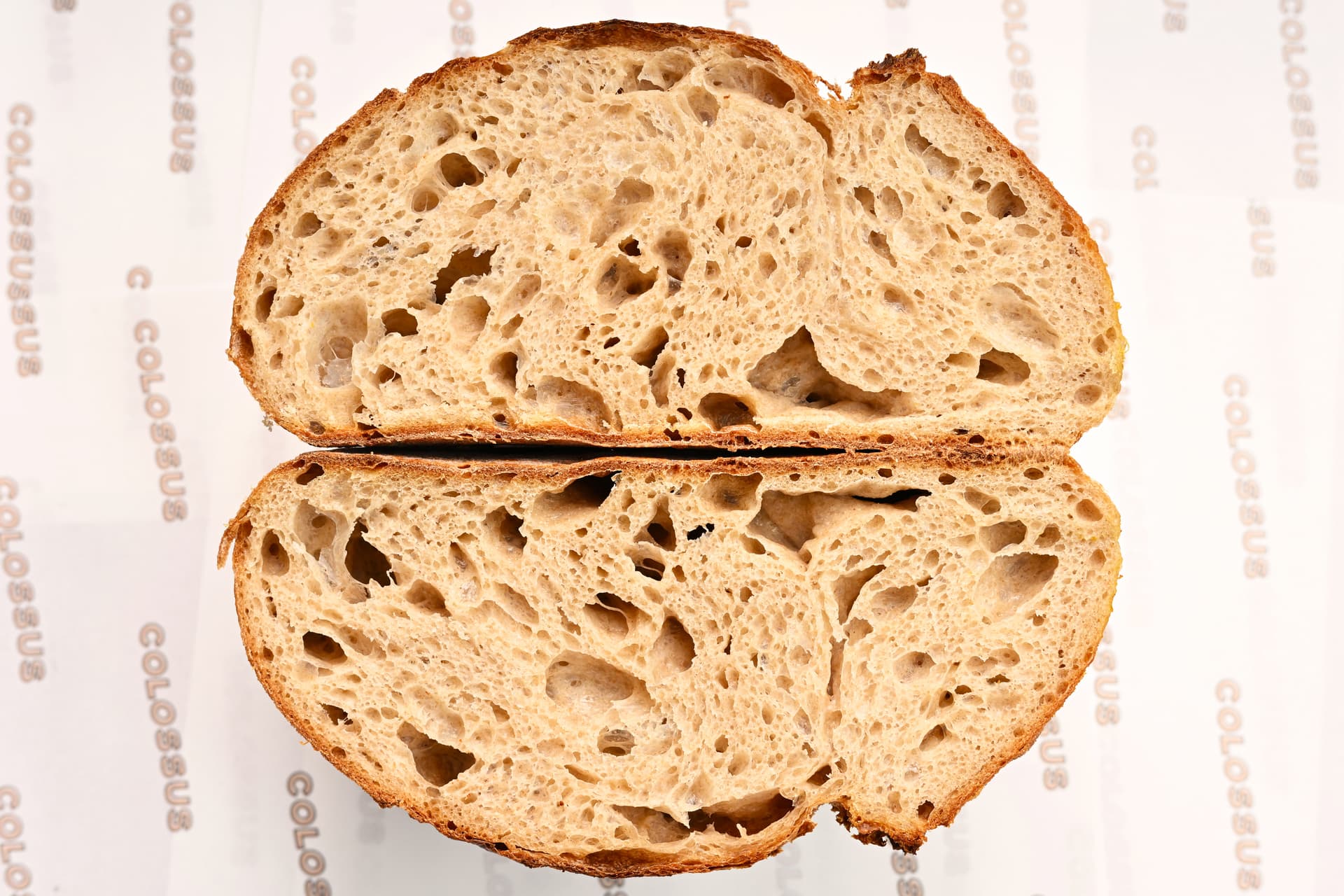
The crumb, the crust, the tang: all of it emerges from microbial and enzymatic reactions set in motion the moment you mix flour and water. But the more consequential story is what those same reactions do to the nutritional architecture of the grain itself, and peer-reviewed research indexed at NIH's PubMed Central now maps that biology in enough detail to give home bakers a clear scientific framework for understanding why fermentation time and flour choice are not aesthetic decisions.
The sourdough fermentation process, induced naturally by lactic acid bacteria (LAB) and wild yeasts, produces invertase enzymes that aid in digestion of short-chain carbohydrates present as non-digestible starch, while the enzyme phytase neutralizes phytic acid present in grain-based products, freeing up the digestive enzymes trypsin, pepsin, and amylase to act more effectively in breaking down proteins, starches, and fats. Those two enzyme pathways are the specific biological mechanisms separating a properly fermented sourdough from anything a commercial yeast loaf can offer.
The numbers behind phytase activity are striking. Peer-reviewed analysis has documented phytate reductions of up to 90% in properly fermented sourdough, alongside improved protein digestibility and a glycemic index of approximately 54, compared to roughly 75 for conventional bread. A separate study on *Lactobacillus sanfranciscensis* CB1, one of the most extensively characterized LAB strains in sourdough research, found a 64 to 74 percent decrease in phytate concentration after fermenting sourdough for 8 hours at 37°C, confirming that even a single well-matched LAB strain can drive significant anti-nutrient reduction under controlled conditions.
A comprehensive review published in PubMed Central (PMC8306212) compared microbial communities found in sourdough starters across wheat, rye, spelt, chickpea, and other cereal substrates, documenting how LAB and yeast populations shift depending on the grain used, both before and after fermentation. That substrate dependency has direct practical implications. By using flour with a higher extraction rate, lactic acid fermentation can carry on for longer with improved microbial growth and acidification power, even under the low pH conditions present in active sourdough starters. In plain terms: whole-grain and high-extraction flours sustain the exact conditions that drive the most meaningful enzyme activity, because the protein and ash content stripped away during heavy milling are the same nutrients LAB need to thrive.
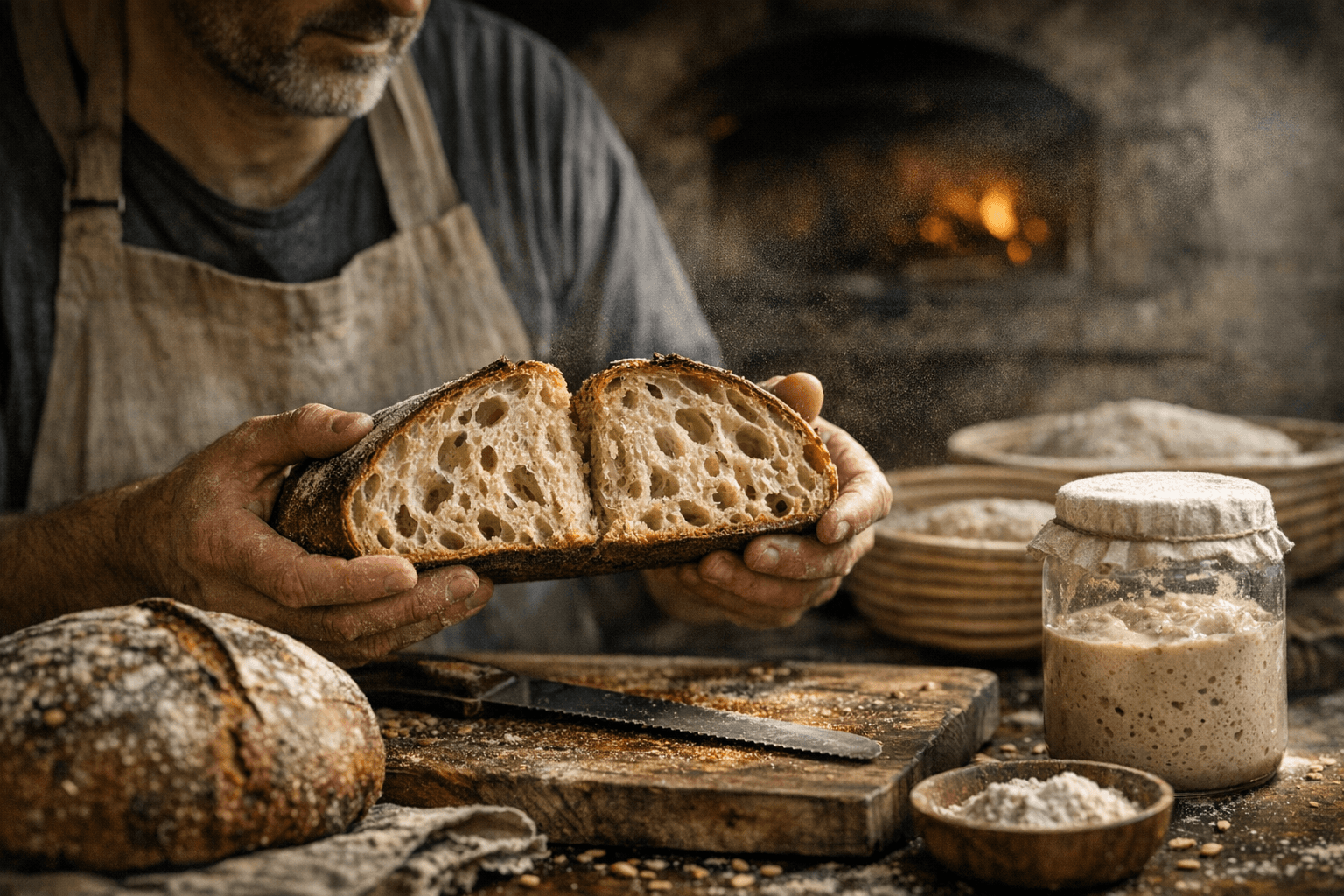
For fermentation timing, the research maps clearly onto home baking practice. A bulk fermentation of at least 6 to 8 hours at room temperature, or an overnight cold retard after shaping, gives LAB the time required for meaningful enzyme work. Temperature governs which acids dominate: cooler fermentation conditions push toward acetic acid production, yielding a sharper flavor and extended shelf life, while warmer conditions favor lactic acid and a milder crumb. Both generate the acidic pH environment required to activate phytase in the first place.
The natural fermentation process in sourdough breadmaking has also been shown to assist patients with gastrointestinal disorders including irritable bowel syndrome and celiac disease, through alteration of carbohydrate and protein molecular structures. That said, the honest limitation the PMC8306212 review itself acknowledges is this: each sourdough starter is unique, with different activities, populations, and interactions of yeast and bacteria due to different ingredients, environment, fermentation time, and carbohydrate fermentation patterns, which means no single complete picture of the sourdough microbiome exists.
When you evaluate any health claim made about sourdough, the questions worth asking are: Was phytase or invertase activity actually measured, or only inferred? Was fermentation time and temperature controlled and reported? Was the flour whole-grain or high-extraction, and was that documented? Were results confirmed in human subjects, or only in vitro? Most commercial "sourdough" products fail on at least three of those four counts. A 16-hour cold-retarded whole-rye miche is not the same product as a four-hour yeast-assisted loaf with a splash of vinegar for sourness, regardless of what the label says.
This article was produced by Prism’s automated news system from verified source data, official records, and press releases, then run through automated quality and moderation checks before publishing. The system is built and supervised by the people who set the standards it runs under. Read our full AI policy.
Did this article answer your question?