New Sourdough Discard Cookbook Turns Starter Waste Into Everyday Baked Goods
A discard cookbook published April 2, the day after National Sourdough Day, gives home bakers scaled recipes for pancakes, waffles, pizza dough and cookies that put weekly starter waste to work.
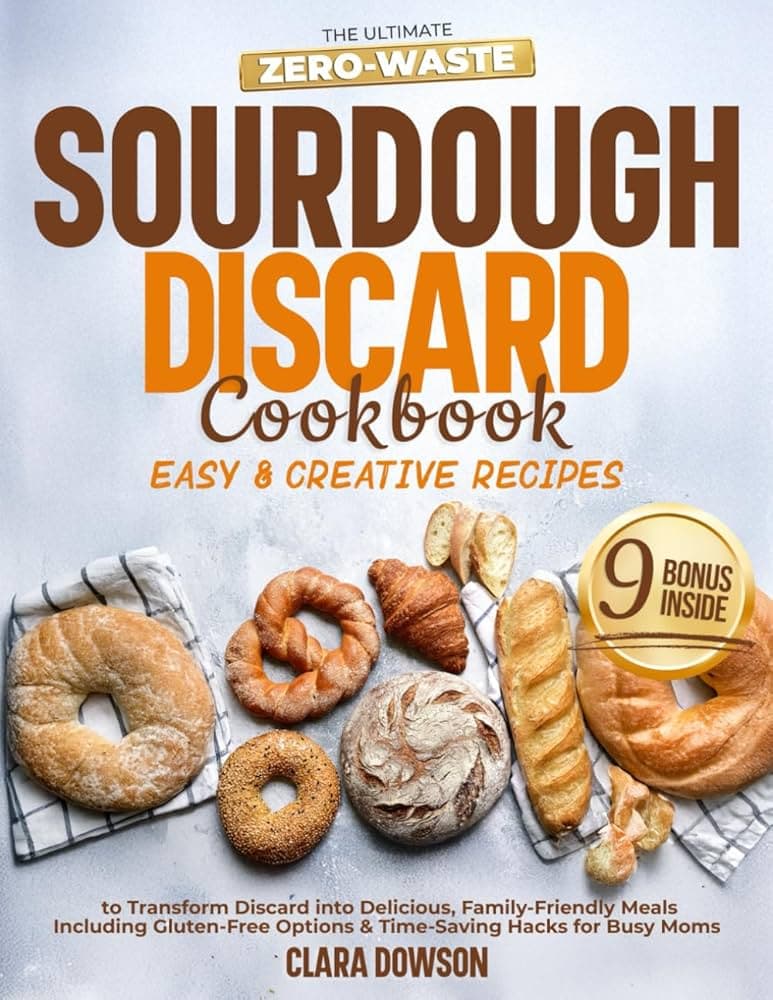
Every sourdough baker knows the moment: scoop out the excess starter before a feeding, pause for a beat, then tip it into the bin. That pause now has a practical destination. A new discard-focused paperback published April 2 offers scaled recipes for pancakes, waffles, cookies and pizza dough built specifically around the starter fractions most home bakers dispose of each week, arriving on shelves the day after National Sourdough Bread Day.
The cookbook, listed on Amazon with cross-border availability originating from its Singapore retail channel, lands inside a well-timed cluster of community activity. National Sourdough Bread Day falls every April 1, and the book's street date placed it at the opening of a broader seasonal spike: library class announcements, community baking workshops and retail launches all tend to concentrate around that early-April window each year.
What separates a discard-specific title from a general sourdough guide is the technical treatment of what discard actually is and how it behaves. Starter pulled before a feeding carries active cultures but also accumulated acidity, and the longer it sits refrigerated the more pronounced those off flavors become. The cookbook addresses this head-on, providing guidance on how discard hydration levels influence batter and dough consistency depending on application: thinner ratios for pancakes, stiffer for crackers, something between for waffles. For recipes where reliable lift matters, the book recommends pairing discard with baking soda or a small proportion of commercial yeast to compensate for the discard's variable fermentation activity rather than depending on it entirely.
Scaling guidance runs through the recipe architecture in the form of discard:flour:liquid ratios, so output can be adjusted to however much discard a baker has on hand. A home baker on a daily feeding schedule typically generates between 50 and 100 grams of discard per session, enough that a single week's maintenance produces adequate raw material for several recipe yields. Prepared discard storage windows and freezing tips are also covered, giving bakers a holding strategy when they can't bake immediately.
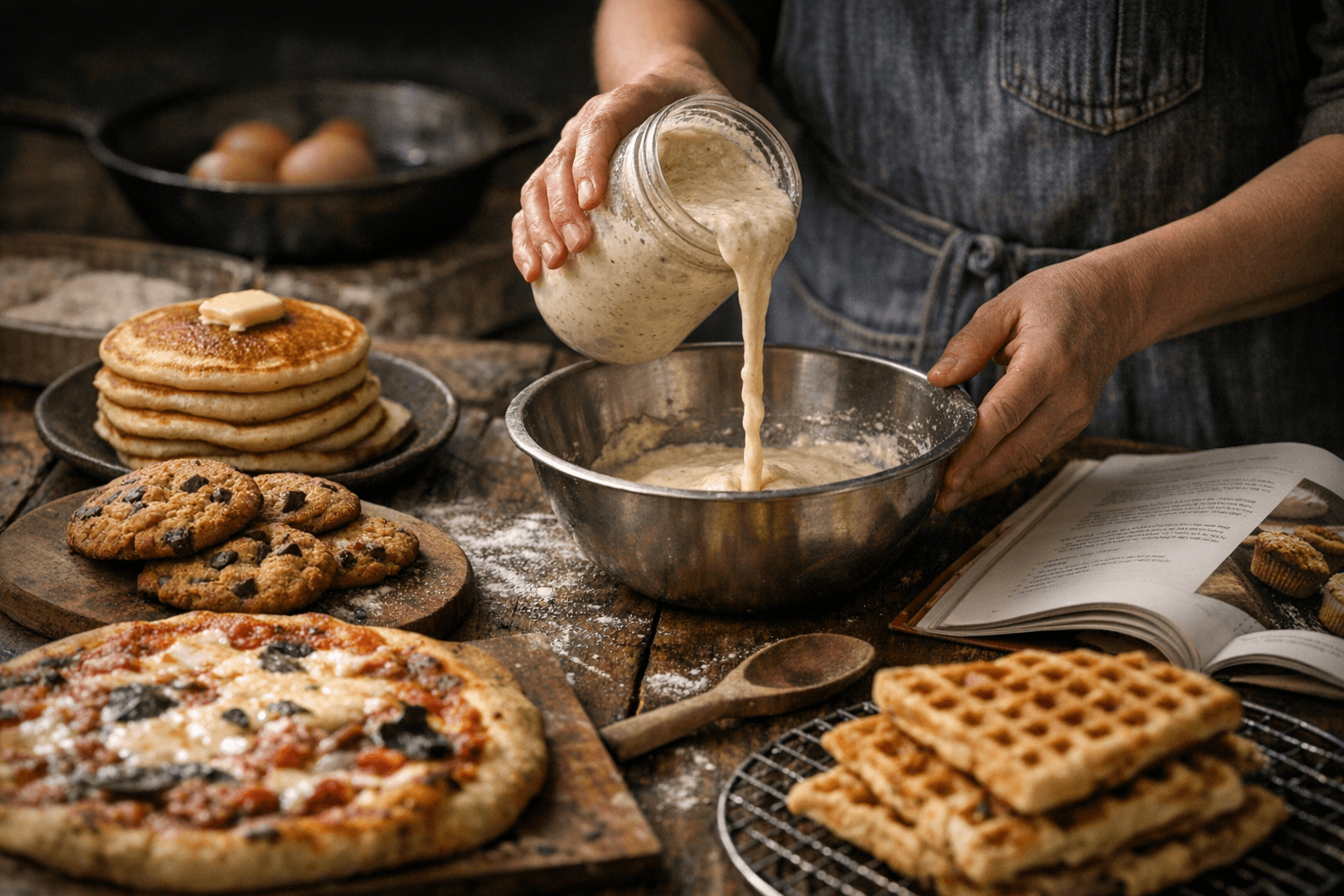
For community educators, discard recipes function as a companion resource during the weeks a new starter is still developing. While a fresh culture isn't yet strong enough to carry a levain-leavened loaf, it can absolutely produce a batch of tangy pancakes or a thin-crust pizza base, providing beginners with early results that confirm the starter is active and worth tending.
The sustainability angle is woven into the book's premise as well. Maintaining a sourdough starter requires a consistent investment of flour and water at each feeding, and discarding without purpose wastes both ingredients and effort. A discard cookbook reframes that weekly by-product as a reliable ingredient supply, one that carries a natural tang no commercial leavening agent can reproduce.
This article was produced by Prism’s automated news system from verified source data, official records, and press releases, then run through automated quality and moderation checks before publishing. The system is built and supervised by the people who set the standards it runs under. Read our full AI policy.
Did this article answer your question?