Pantry Mama shares easy overnight sourdough bagels for home bakers
Pantry Mama’s overnight bagels cut same-day labor to a mix, a boil, and a bake, while still delivering the chew and crust home bakers want.
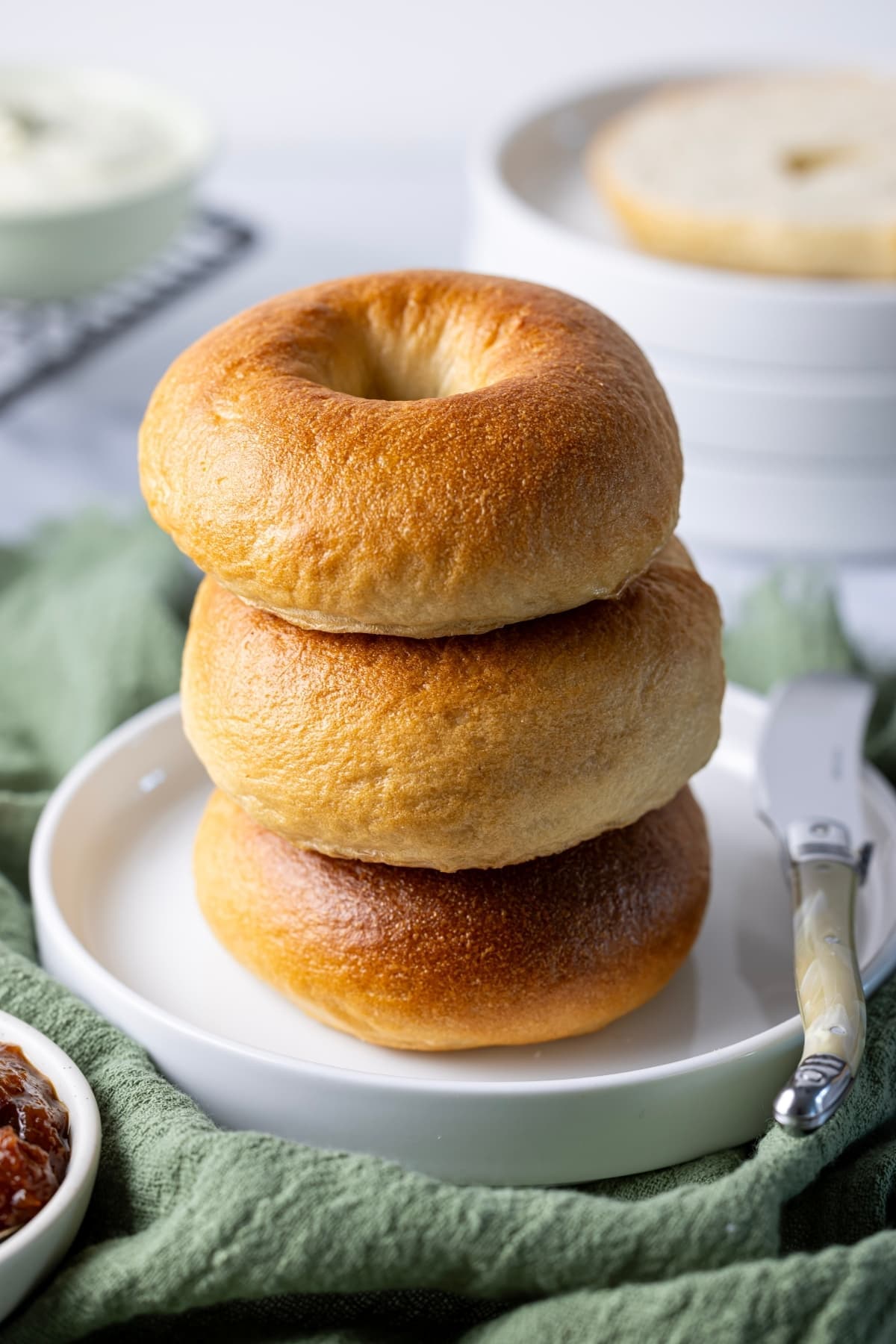
Pantry Mama’s easy sourdough bagels are built for the baker who wants real bagel flavor without turning the kitchen into a full-day production. The formula was updated on July 7, 2026, and it leans hard into a practical rhythm: mix the dough, let it ferment overnight, shape and boil the bagels, then bake them for that classic New York-style finish.
A bagel workflow that actually fits a schedule
The big appeal here is not novelty, it is timing. Pantry Mama’s recipe makes 12 bagels and lists 30 minutes of prep, 30 minutes of cook time, and 3 hours total, but the overnight ferment spreads the work across two days so the hands-on part stays manageable. That matters if your starter lives in the fridge and your baking windows are narrow, because the recipe turns bagel day into something you can start at night and finish the next morning.
This is a much calmer path than the same-day, highly scheduled bagel process that can put off newer sourdough bakers. Instead of forcing everything into one long block, the dough does the heavy lifting while you sleep. The result is a breakfast bake that feels organized rather than rushed.
What the dough gives you
Pantry Mama keeps the ingredient list straightforward: starter, bread flour, water, sugar, salt, and a boiling solution built with either honey or baking soda, depending on how you like to work. The dough is positioned as lower hydration and easier to handle than many artisan loaves, which makes it friendlier for bakers who are still learning how sourdough structure behaves. That lower-stress handling is part of the point, because bagels ask for shaping confidence and a steady hand at the boiling stage.
The recipe also keeps the flavor profile flexible. Classic toppings like poppy seeds, sesame seeds, or everything seasoning fit cleanly on top, so you can push the bagels in a familiar New York direction without changing the base formula. Pantry Mama frames the result as a chewy, deeply golden bagel that feels better than store-bought while still staying realistic for home baking.
Why the boil still matters
If bagels seem fussy, the boil is usually where the hesitation starts. King Arthur Baking’s bagel guidance explains why that step is non-negotiable: boiling gelatinizes the starches on the surface of the dough, which gives bagels their glossy finish and the crust people expect. That is the technical reason the exterior looks so distinct from an ordinary roll, and it is also why skipping the boil changes the whole character of the bake.
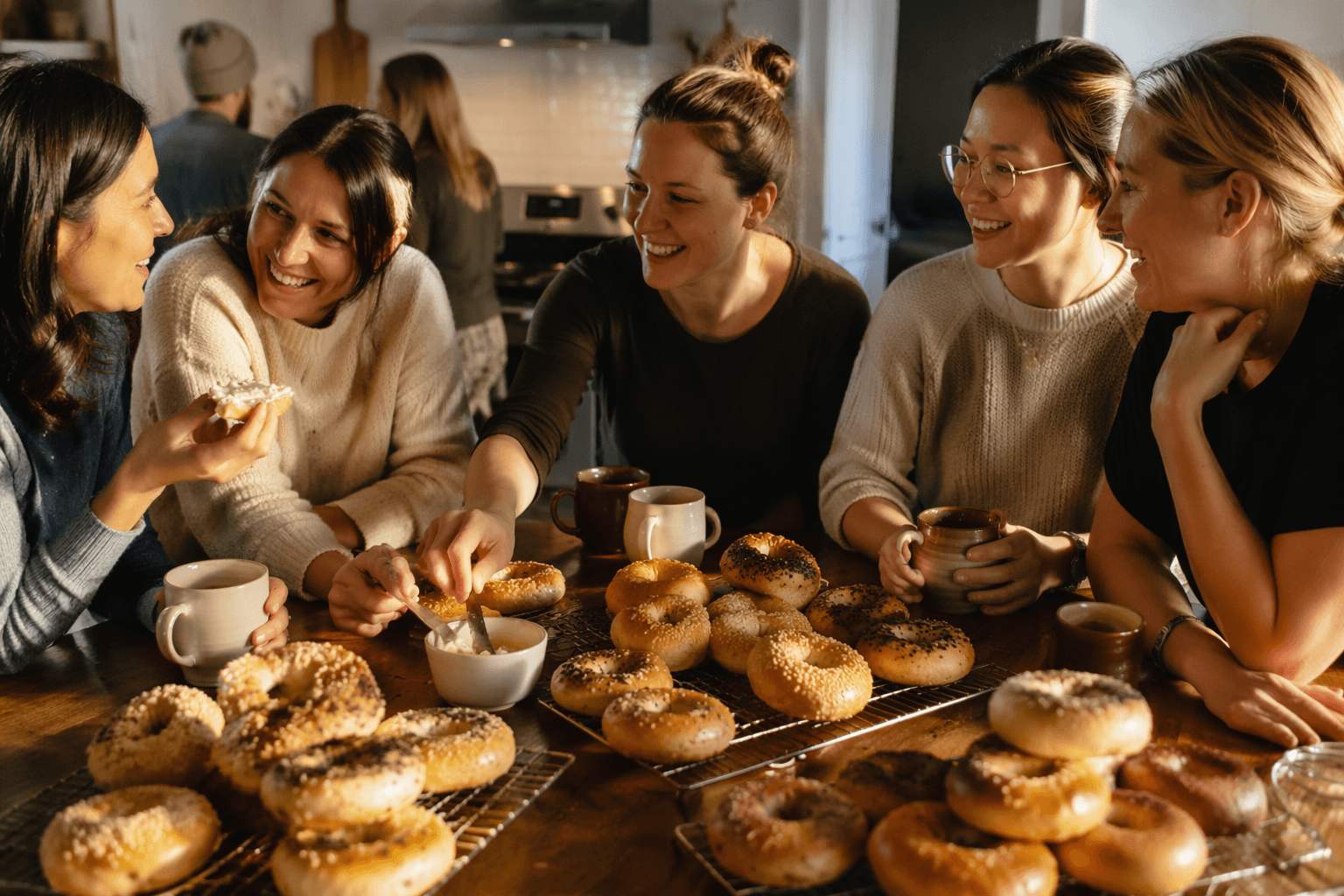
The same high-heat logic shows up in the oven. King Arthur notes that bagels are typically baked hot to maximize spring and build a crisp exterior, and that is exactly the texture Pantry Mama is chasing with the New York-style crust. In other words, the bagel’s signature chew and shine are not decorative extras. They come from a specific chain of steps that this recipe preserves.
Where this formula sits in the sourdough bagel landscape
There is a useful comparison point in King Arthur Baking’s own sourdough bagel recipe, which also uses an overnight rise before shaping, boiling, and baking the next day. That tells you Pantry Mama is working in the same practical tradition: bagels are better when the schedule is split, not crammed. The difference is in emphasis. Pantry Mama pushes accessibility and pantry-friendly planning, while King Arthur’s version leans into a more classic sourdough bagel workflow.
King Arthur also publishes a sourdough discard bagel recipe that uses instant yeast and comes together in about three hours. That contrast helps define Pantry Mama’s place in the field. The Pantry Mama version is slower and more fermentation-driven, but it still belongs to the same home-baker mindset: preserve the bagel method, make the timing livable, and keep the formula repeatable.
A few practical features make that easier to see:
- It uses discard, which fits bakers who keep starter scraps instead of tossing them.
- It can be made ahead and frozen, which makes the recipe useful beyond a single weekend bake.
- It keeps the dough easier to handle than many loftier sourdough breads, so the shaping step does not feel like a leap.
Why the flour choice and texture matter
King Arthur Baking says high-gluten flour runs at 14 percent protein and is especially well suited to bagels. That extra strength is what helps bagels stay chewy instead of drifting into bread territory. King Arthur also notes that bread flour can work well, though the crumb may be a little more tender than with high-gluten flour.
That detail helps explain Pantry Mama’s bread-flour-based approach. It is not trying to chase a bakery bench formula at all costs. It is trying to give home bakers a bagel that is strong enough to boil, bake, and chew properly, while still being easy to source and mix in a regular kitchen.
A bread with a long memory
Bagels are not just a convenience bake. Encyclopaedia Britannica describes them as doughnut-shaped yeast-leavened rolls with a crisp, shiny crust and dense interior, and it has long regarded them as a Jewish specialty item. Encyclopedia.com traces the earliest mention to the 1610 statutes of the Jewish community of Cracow, and notes that bagels came to the United States with Jewish immigrants from Eastern Europe in the early 20th century.
That history explains why the texture feels so tied to tradition. The chew, the shine, and the boiled crust are not random quirks. They are the features that carried bagels from one food culture into another, and they are still what make a home-baked bagel feel like a real bagel rather than just shaped dough.
Pantry Mama’s overnight formula works because it respects that lineage while cutting out the parts that make bagels feel impossible on a busy schedule. You still mix, ferment, boil, and bake, but you do it in a way that lets the dough fit into ordinary life. That is the useful trick here: the bagel stays authentic enough to matter, and the workflow becomes manageable enough to repeat.
This article was produced by Prism’s automated news system from verified source data, official records, and press releases, then run through automated quality and moderation checks before publishing. The system is built and supervised by the people who set the standards it runs under. Read our full AI policy.
Did this article answer your question?