Rye or sourdough, which bread is healthier?
The healthier loaf depends on your goal: rye often wins for fiber and fullness, while sourdough can be the smarter pick when the flour, fermentation, and recipe are right.

At the bakery shelf, the real choice is about your body, not just your taste buds
Rye and sourdough both wear a health halo, but they do it in different ways. If you are deciding what to put in the cart for toast, sandwiches, or a week of breakfasts, the better loaf is usually the one that gives you more whole grain, more fiber, and a better match for what your body needs most, whether that is steadier blood sugar, better satiety, or easier digestion.
The biggest clue comes before either loaf is sliced. The American Heart Association says whole grains lower risk for heart disease and stroke, support healthy digestion, and reduce risk for diabetes. It also notes that a whole-grain bread can have about the same calories as white bread while delivering more protein, three times the magnesium, and more than double the fiber, potassium, vitamin B6, and zinc. That is the first reminder that this conversation is not really about calories alone. It is about nutrient density.
Why whole grain changes the answer
If you strip away marketing language, the healthiest bread choice often starts with one question: is it whole-grain or refined? Whole grains keep the bran and germ, which is where much of the fiber and micronutrient load lives. That is why two loaves can look similar on the shelf and behave very differently in your body.
This is where a label check matters. A loaf called sourdough may still be mostly refined white flour, and a loaf called rye may be light on actual whole rye. USDA FoodData Central is useful here because it helps you compare nutrients rather than rely on the crust color or the word “artisan.” The bread that looks darkest is not always the bread that gives you the most fiber, and that can change everything about how filling it is and how it fits into a blood sugar plan.
Where rye often pulls ahead
Rye has a strong case when your priorities are fiber, fullness, and a slower, sturdier kind of breakfast. A recent review describes whole-grain rye as a rich source of dietary fiber, antioxidants, and essential micronutrients. That matters because fiber is one of the biggest drivers of satiety and one of the most useful nutrients for people trying to keep meals from disappearing into a midmorning crash.
Rye also has a food culture that reflects its practical role. It is widely associated with Germany, Poland, and the Scandinavian and Baltic regions, where dense, dark breads have long been everyday staples rather than wellness trends. That tradition lines up with what the nutrition research keeps showing: high-fiber rye foods can shift gut microbiota composition, raise plasma butyrate, and improve metabolic risk markers. In other words, rye is not just filling on the plate, it seems to do real work in the body.
That is also why rye often makes sense when satiety is the goal. Prior research cited in a randomized breakfast study found rye crispbread had superior effects on self-reported appetite compared with white wheat bread. If you want a loaf that keeps you satisfied longer, rye usually has the edge, especially when it is truly whole-grain and not just colored to look the part.
Where sourdough earns its reputation
Sourdough gets a different kind of credit. Cleveland Clinic says it can be healthier than some other bread choices, but that does not automatically make it a health food. That distinction matters, because sourdough has become almost mythologized. People often assume the fermentation itself makes it superior, but the science is more careful than the marketing.
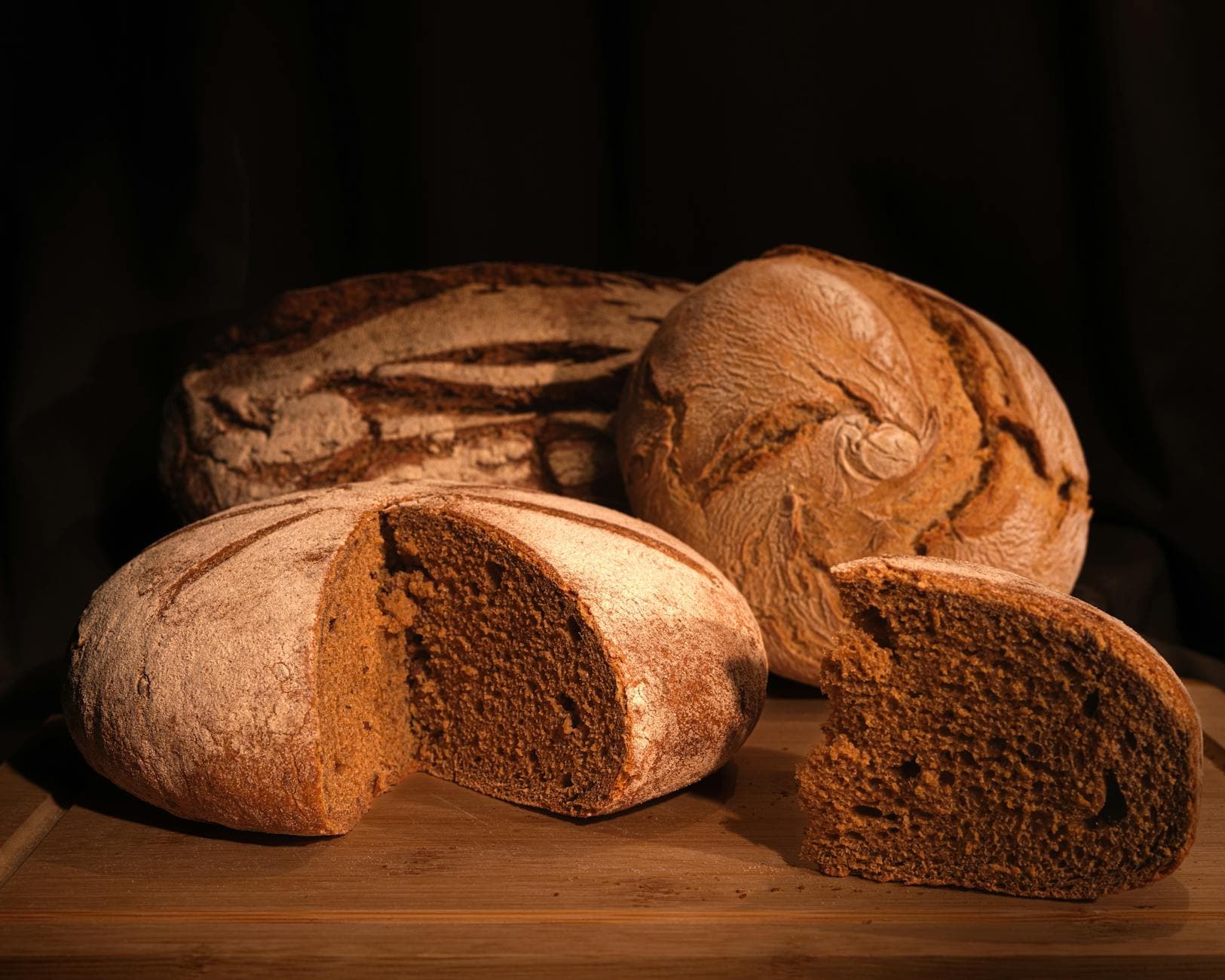
A systematic review found that sourdough fermentation is widely seen by the public as a natural process that delivers nutritional benefits, yet it is still unclear whether those benefits are fully validated by science. Some studies suggest sourdough fermentation may influence glycemic response and appetite, but the results are not consistent across all trials. So sourdough can be a smart choice, but it is not a magic one.
That nuance is useful at the shelf. A sourdough loaf made with whole grains, seeds, and a short ingredient list may be a strong option. A sourdough loaf made mostly from refined flour may still taste excellent, but it will not automatically beat a higher-fiber rye on satiety or nutrient density.
Which loaf fits which goal
If blood sugar is your main concern, rye often has the cleaner nutritional case, especially when it is whole-grain and high in fiber. The fiber in rye can slow digestion and help flatten the meal’s impact, which is exactly why rye-based foods keep showing up in research on metabolic markers and appetite. Sourdough can also be appealing here, but its effect depends much more on the flour used and the full recipe.
If digestion is your biggest concern, the answer gets more personal. Whole grains in general support healthy digestion, and sourdough’s fermentation gives it a reputation for being easier on some people. But a loaf that is “sourdough” in name only, with refined flour doing most of the heavy lifting, may not deliver much of that benefit. Rye, on the other hand, brings a more obvious fiber advantage, which can be helpful for regularity and the gut microbiome, though very high-fiber breads are not always the gentlest choice for every stomach.
If satiety is the priority, rye usually wins again. Its dense texture, higher fiber, and stronger flavor often make it feel more substantial slice for slice. Sourdough can still be satisfying, especially when it is made from whole grains, but rye is the loaf that tends to stay with you longer after breakfast.
What to buy when you want the healthier loaf
The simplest rule is this: choose the bread that is most whole-grain, most fiber-rich, and least dependent on refined flour to do the heavy lifting. Then let your actual goal decide between rye and sourdough.
- Pick rye when you want more fiber, more fullness, and a better chance of supporting blood sugar goals.
- Pick sourdough when you want fermentation character and a loaf that may feel easier to digest, especially if it is made from whole grains.
- Check the ingredient list before the front label. A bold “sourdough” or “rye” name does not guarantee a nutrient-dense bread.
- Compare fiber per slice, not just calories. The healthiest bread is often the one that gives you more nutrition for the same energy cost.
The cleanest takeaway is that “healthier” changes based on what you need the bread to do. Rye often wins the fiber and satiety battle. Sourdough can win when fermentation, flavor, and a gentler feel matter most. But in both cases, whole grain is the detail that turns a good loaf into the smarter everyday choice.
This article was produced by Prism’s automated news system from verified source data, official records, and press releases, then run through automated quality and moderation checks before publishing. The system is built and supervised by the people who set the standards it runs under. Read our full AI policy.
Did this article answer your question?