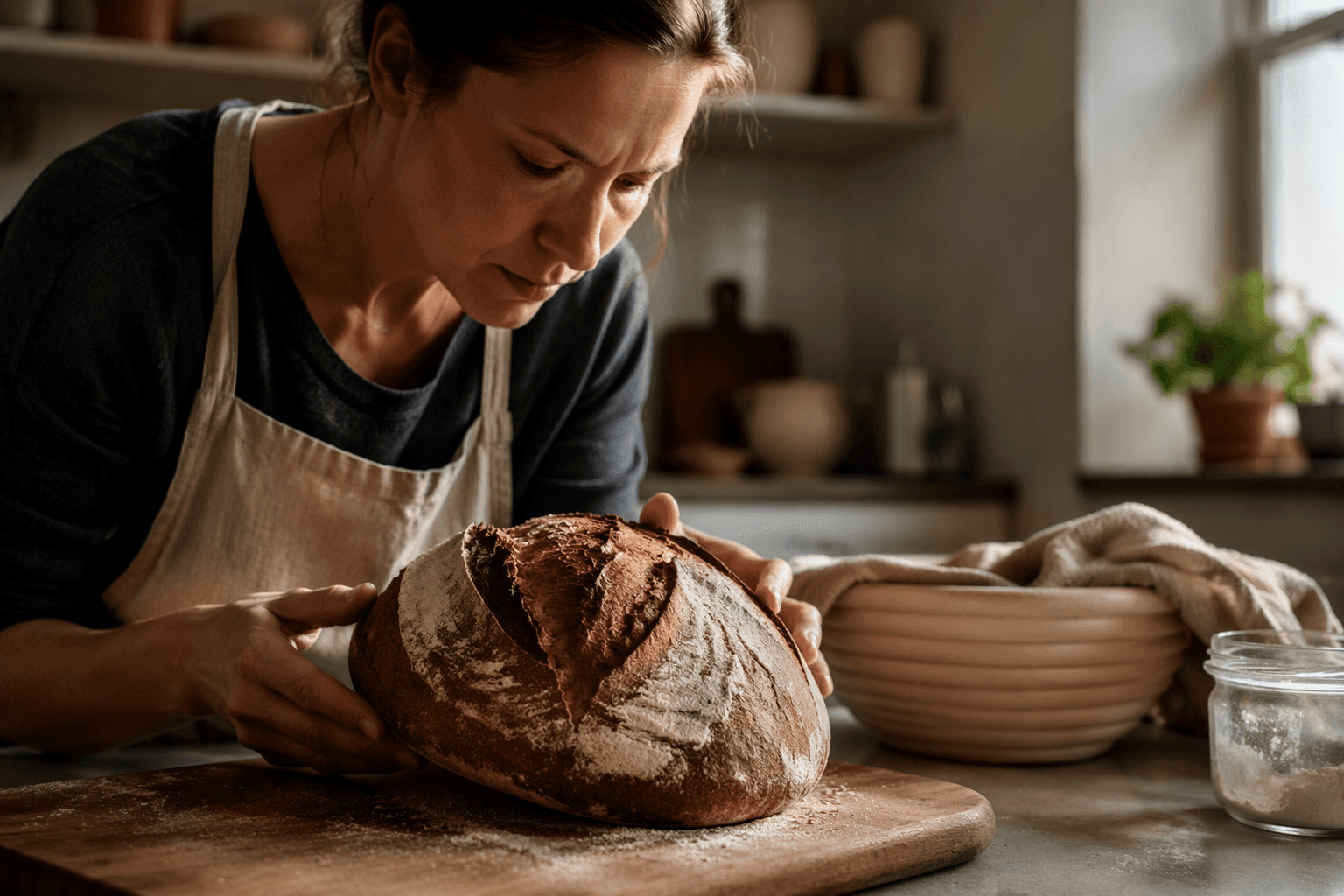
Sourdough Bagels Bring Chewy Texture to Breakfast Baking
Bagels are the smartest next bake for an active starter: faster payoff than a boule, chewy results, and breakfast that lasts for days.
Why bagels are the best next project for an active starter
If your starter is lively and you want something with a quicker payoff than another boule, sourdough bagels make a lot of sense. They turn the same fermentation energy into a breakfast bread with a chewy bite, a blistered crust, and enough structure to hold up to toasting, spreading, and stacking. That makes them feel less like a decorative baking exercise and more like a useful weekly habit.
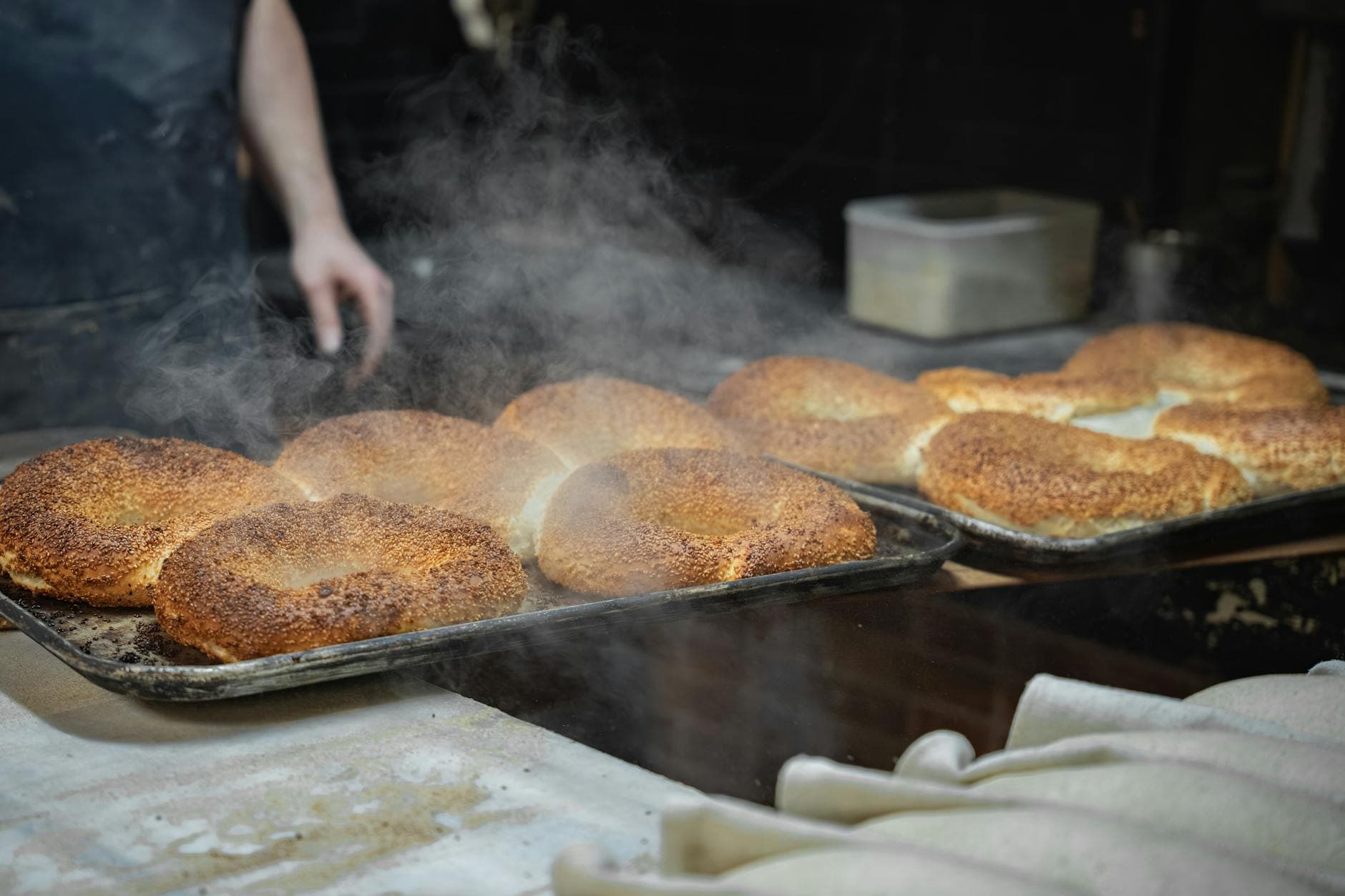
Bagels also solve a familiar starter-owner problem: how to keep baking interesting without making the same loaf again and again. King Arthur Baking describes sourdough bagels as having a golden, blistered crust, a pleasant chew, and a sourdough tang that is present but not overpowering. In practice, that means a bagel gives you the flavor payoff of sourdough, but in a format that feels made for breakfast instead of the bread basket.
What makes sourdough bagels different
The biggest difference is texture. A good sourdough bagel should not eat like a soft sandwich loaf or a lofty country boule. It should be denser, chewier, and more structured, with a crisp exterior that gives way to a satisfying interior and a fresh-from-the-oven flavor that stays useful all week.
That is why homemade bagels are so attractive to bakers who already keep starter on hand. They are easy to top, toast, and customize, whether you lean toward cream cheese, jam, smoked fish, egg fillings, or savory spreads. The ring shape also makes them feel like a distinct project, one that gives your starter a new job without demanding a completely different skill set.
The cultural weight helps explain their appeal too. Smithsonian Magazine describes bagels as boiled-and-baked rings of bread dough, with roots in Jewish communities and a later rise to broad mainstream fame. That history is part of why bagels still feel specific and special, even when they are baked in a home kitchen on an ordinary Tuesday.
Who should make sourdough bagels
Sourdough bagels are the right move if you already maintain an active starter and want a bread that solves breakfast for several days. They are especially useful if you like projects with visible payoff: mix the dough, let it rise, shape it, boil it, bake it, and you have a breakfast bread that looks and tastes finished fast. If you enjoy the rhythm of sourdough but want a result that is more portable and more obviously meal-ready than a boule, this is a strong next bake.
They are also a good fit if you want a more forgiving project than a freestanding artisan loaf. The bagel shape is less precious than a tall boule, and the finished bread is easier to portion, store, and reheat. For households that bake for several people, that practicality matters as much as flavor.
King Arthur Baking’s own starter work points in the same direction. The company updated its sourdough starter recipe in February 2026 to create a smaller amount of starter in response to home-baker feedback, a reminder that bakers want flexible routines, not extra waste. Bagels fit that mindset perfectly: they make starter feel useful, not burdensome.
The process points that matter most
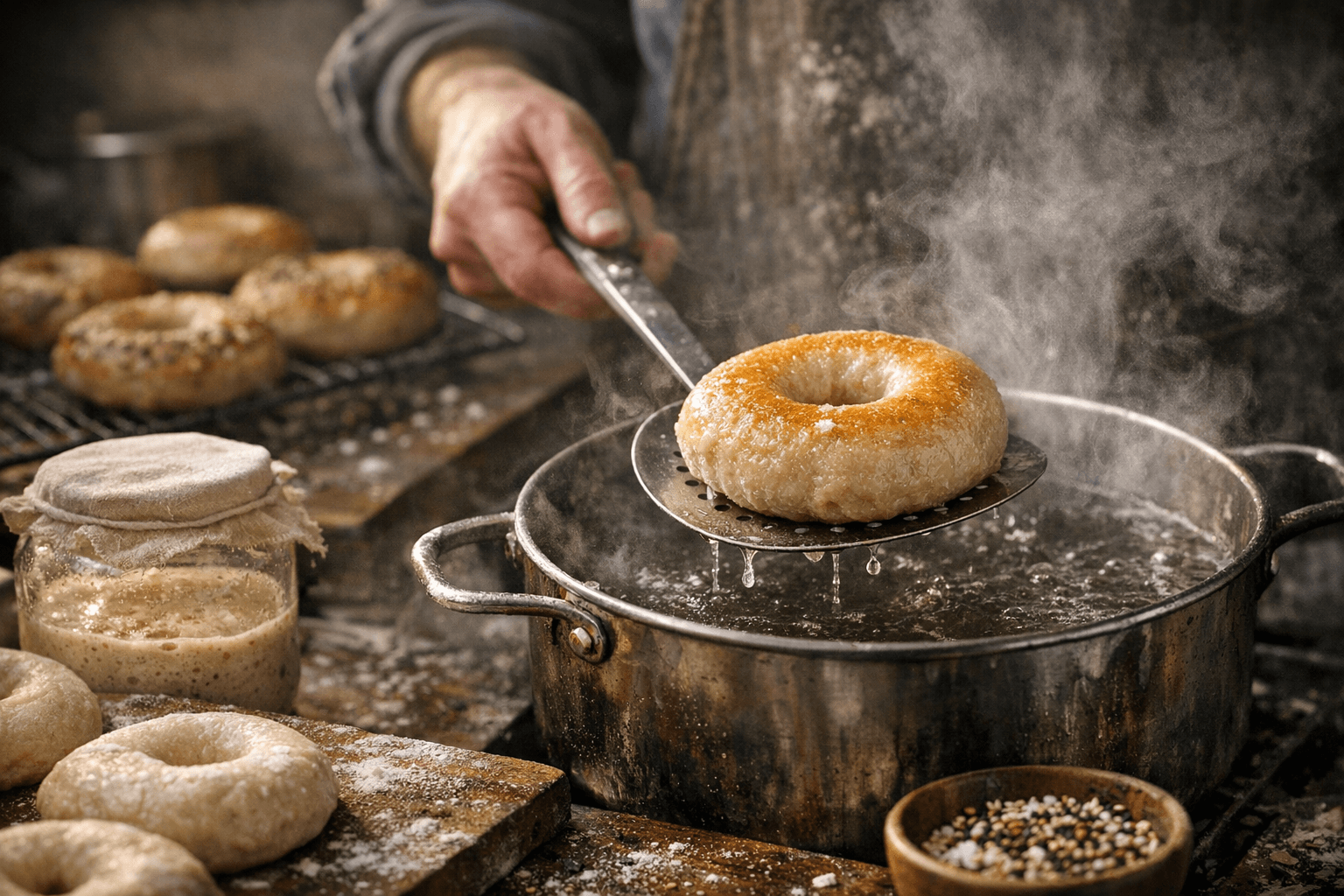
The classic sourdough bagel method is straightforward, but a few steps really do carry the result. King Arthur’s sourdough bagel recipe mixes the dough, lets it rise overnight, then shapes, boils, and bakes the next day. That overnight rise does the flavor work, while the boil is what gives bagels their signature crust.
A few details matter most:
- The dough should be shaped before boiling, because the boil sets the outside and helps the bagels hold their form.
- The water bath is not optional if you want true bagel character. King Arthur’s bagel instructions use a water bath with non-diastatic malt powder, or brown sugar or barley malt syrup.
- The boil is what creates that glossy, chewy exterior that separates bagels from ordinary rolls.
- If you want a more flexible schedule, King Arthur also offers a sourdough discard bagel recipe that uses instant yeast and can be made in about three hours.
That last option matters more than it might seem. It means you can choose between an all-sourdough overnight project and a faster hybrid version, depending on your day and how much fermentation flavor you want. Either way, the end result stays centered on the same bagel promise: chewy interior, crisp crust, and a bread that tastes best the moment it comes out of the oven.
Why bagels beat a standard loaf for breakfast baking
The real case for sourdough bagels is not just that they taste good. It is that they change how starter baking fits into daily life. A boule is wonderful, but a bagel is easier to picture on a weekday plate, and it stays useful for multiple breakfasts without much ceremony.
That is the practical magic here. Bagels turn starter into something you can slice, toast, and top without thinking twice, while still delivering the kind of sourdough tang and crisp-chewy contrast that makes home baking feel worth the effort. If your starter is active and you want the next bake to feel both manageable and rewarding, bagels are the clear move.
This article was produced by Prism’s automated news system from verified source data, official records, and press releases, then run through automated quality and moderation checks before publishing. The system is built and supervised by the people who set the standards it runs under. Read our full AI policy.
Did this article answer your question?