Sam’s Club Sells Bake-and-Enjoy Sourdough, Ready in Minutes
Sam’s Club’s two-loaf sourdough pack costs $7.63 and turns into warm bread in 12 to 15 minutes, making it a serious shortcut for weeknight sourdough cravings.
A take-and-bake loaf that solves the weeknight sourdough problem
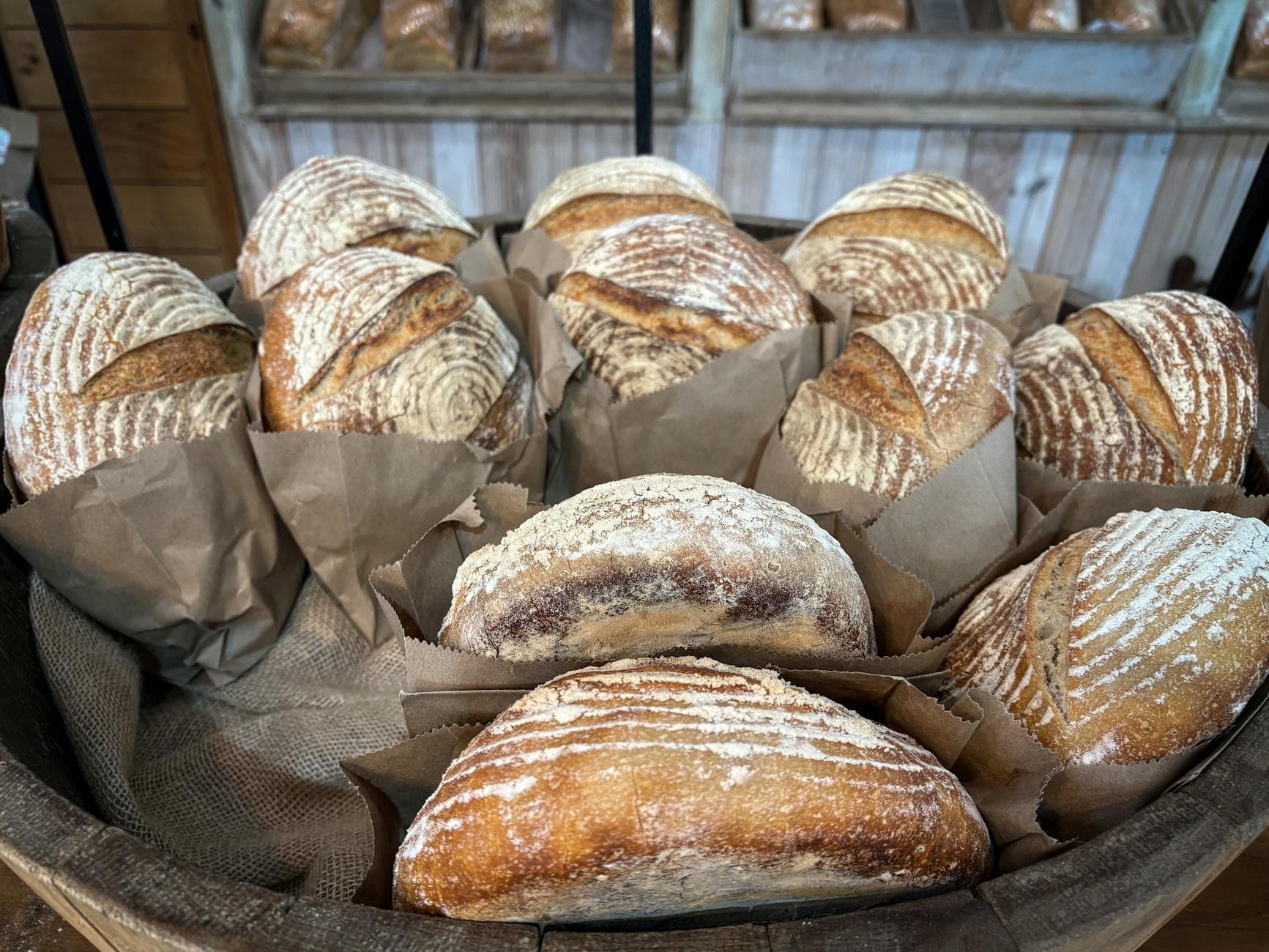
Sam’s Club’s Essential Baking Organic Sourdough Bread is built for the exact moment when you want warm, crusty sourdough without the work of mixing, feeding, shaping, and waiting. At $7.63 for two loaves, it lands in the sweet spot between bakery convenience and pantry practicality, with each loaf going from package to oven in 12 to 15 minutes at 425°F. That makes it more than a novelty: it is a credible answer for dinner nights, casual entertaining, and anyone who wants the aroma of fresh bread without maintaining a starter of their own.
What makes the product stand out is how little it asks of you. Sam’s Club says the loaves are shelf-stable, made with four ingredients, and meant to be placed on a foil-lined baking sheet after removing them from the package. In a sourdough world where timing usually matters more than almost anything else, that is a major convenience shift. The payoff is immediate: a warm loaf with a crisp crust and chewy crumb, ready fast enough to anchor a meal instead of becoming a project.
What is actually in the bag
This is not a long ingredient list dressed up as artisan bread. Sam’s Club lists flour, water, sea salt, and barley malt, plus a 140-year-old authentic sourdough starter. Essential Baking describes the bread the same way on its own product pages, emphasizing simple organic ingredients, wild yeast, and a fresh-seal package that keeps the loaves ready to bake.
That matters because the appeal of sourdough usually comes from two places: fermentation and restraint. You get complexity from starter and time, but you do not need a parade of additives to make the loaf feel satisfying. Essential Baking’s approach leans hard into that idea, and the product’s clean label gives shoppers a familiar artisan signal even though the bread is sold through a warehouse club.
The real value test: price, flavor, and effort
The value story is strong because the loaf saves time in the one place that is hardest to buy back. Two loaves for $7.63 means the price is low enough to treat as an easy pantry backup, not a special occasion splurge. For shoppers who want sourdough flavor on demand, the math makes sense, especially when the bread can be kept for several days or frozen for later use.
Flavor is where this product has to earn its keep, and the sourdough starter helps. Essential Baking says the starter is 140 years old, and the company’s branding leans on that old-world credibility. A starter with that kind of pedigree gives the bread a stronger artisan identity than a generic bake-at-home loaf, even if the final result is still a supermarket shortcut rather than a bakery loaf pulled fresh from a local oven.
How it compares with bakery loaves and homemade bread
Against a traditional bakery loaf, the biggest tradeoff is immediacy versus freshness. A bakery loaf can still win on depth of crust, aroma, and that just-baked feel from a local oven, but it also requires a trip timed around store hours. This Sam’s Club loaf narrows the gap by giving you a warm loaf in minutes, which is often enough for a Tuesday night dinner table or a last-minute soup pairing.
Against homemade sourdough, the difference is even clearer. A home loaf gives you full control over fermentation, hydration, shaping, scoring, and bake profile, but it also demands planning. This product removes the schedule entirely. It will not replace the pride or nuance of a naturally leavened loaf you built from scratch, but it does replicate the part most people want most often: warm sourdough with a good crust, without the labor.
Why the packaging matters as much as the bread
Essential Baking’s Fresh-Seal system is a big part of why this loaf fits warehouse shopping so well. Trade coverage has noted that the company’s modified-atmosphere packaging can extend ambient shelf life to roughly 180 to 190 days, which is far longer than a typical fresh bakery loaf. That kind of shelf stability changes the purchase decision, because the bread can live in the pantry until the exact night you need it.
That shelf life also explains the product’s appeal to shoppers who are not trying to bake every week. Sam’s Club reviewers have pointed to the bread’s convenience and long keeping quality as reasons to keep it on hand. It is the same logic that drives freezer-friendly staples: buy it once, then use it when the meal needs a lift.
A look at the company behind the loaf
Essential Baking, now based in Seattle, Washington, says it was founded in 1994 and builds its bread around handcrafted organic loaves, wild yeast, clean ingredients, and fresh-seal packaging. Company history references say George DePasquale and Jeff Fairhall met in Seattle in 1988 and opened the bakery six years later, beginning with artisan loaves sold at local farmers’ markets. That origin story fits the brand’s current image, which leans on Pacific Northwest craft credibility even as it sells through national retail channels.
The company also says its breads are USDA Organic and non-GMO certified, and that its products are available through retailers including Walmart, Whole Foods, Costco, and online delivery partners. That wider distribution shows this is not a one-off warehouse experiment. It is part of a broader market shift toward premium shelf-stable breads that try to bring bakery character into everyday shopping.
The bottom line for sourdough shoppers
This loaf is not trying to replace a truly exceptional bakery boule or a long-fermented home bake. What it does offer is a convincing shortcut for people who want the sourdough experience on a normal night, with no starter to feed and no dough to babysit. At $7.63 for two loaves, with a 12 to 15 minute bake time, a short ingredient list, and a 140-year-old starter at the center of the story, it hits a very specific sweet spot.
If the goal is warm sourdough that feels more artisanal than ordinary sandwich bread, this is a smart buy. It is convenient enough for the pantry, sturdy enough for frozen backup, and credible enough to justify the shortcut when the alternative is skipping good bread altogether.
This article was produced by Prism’s automated news system from verified source data, official records, and press releases, then run through automated quality and moderation checks before publishing. The system is built and supervised by the people who set the standards it runs under. Read our full AI policy.
Did this article answer your question?