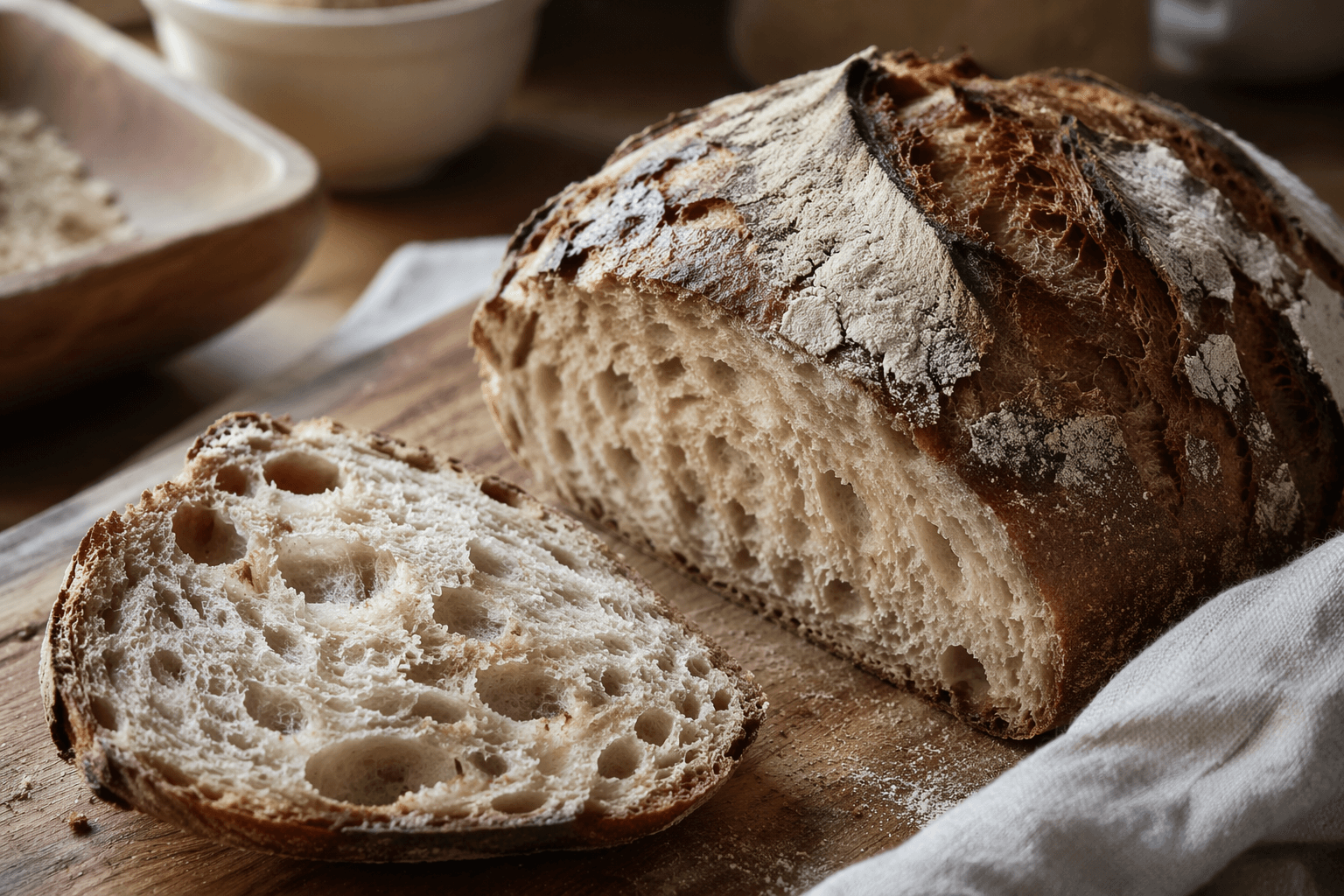
Savory sourdough garlic rolls turn starter into a shareable bake
These savory sourdough rolls turn starter into a pull-apart side, and the difference between bakery-looking and messy is all in the dough, the shaping, and the cheese.
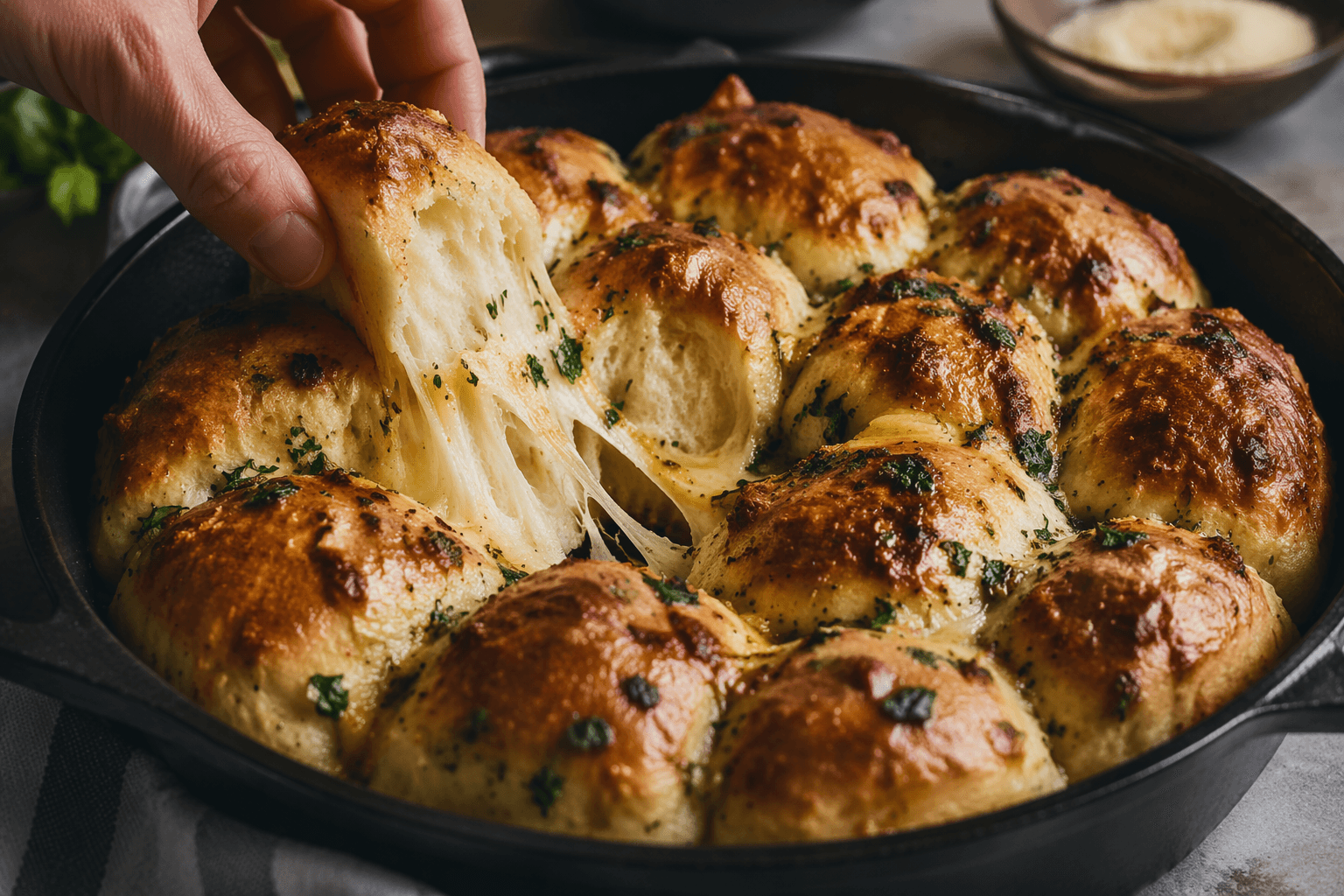
Pull-apart sourdough garlic rolls are the kind of bake that disappears the moment they hit the table. Seb’s cheesy version leans on an enriched dough, then folds garlic butter, mozzarella, and Parmesan into soft spirals that bake up golden, fluffy, and built for sharing.
A savory cousin to cinnamon rolls
This is the right way to think about the bake: same crowd-pleasing, tear-in-the-middle appeal as cinnamon rolls, but without the sugar crash. The dough is enriched with strong bread flour, active sourdough starter, milk, egg, and butter, which is exactly why the finished rolls are meant to be soft in the center with golden edges and a rich, stretchy interior.
That combination matters because this is not a plain loaf in disguise. The recipe is rated intermediate, which is a fair call for a dough that needs fermentation, enrichment, shaping, and a careful finish. If you want a project bake that still feels practical for a real meal, this is the lane it lives in.
Get the starter right before you touch the dough
The best version of this bake starts before the mixing bowl. Seb’s guidance is simple: feed the sourdough starter at a 1:1:1 ratio and wait until it is doubled and bubbly before you use it. That is the kind of baseline that saves a lot of heartbreak later, because an underfed starter turns a rich dough into a slow, awkward rise.
King Arthur Baking backs up that logic in plain terms. It says a 1:1:1 feeding ratio is the minimum for keeping starter healthy and active, and that fed starter should become active, bubbly, and double in volume before it peaks. It also recommends using a scale for accuracy, which is one of those unglamorous habits that separates a predictable dough from one that feels like guesswork.
- Feed the starter at 1:1:1.
- Wait for it to double and look lively.
- Use a scale so the feeding is consistent.
That last point is especially useful here because the dough is enriched. Milk, egg, and butter all soften the structure, so the starter has to earn its keep. If the culture is weak, the roll-up never quite gets the lift that makes pull-apart bread look airy instead of dense.
Where this bake wins: shaping, filling, and texture
The filling is the part that tells you this recipe is more than a novelty. Instead of cinnamon or jam, the dough gets rolled with garlic butter, mozzarella, and Parmesan, then baked until it turns golden and finished with even more garlic butter. That is what gives the rolls their savory, comfort-food pull and the glossy, bakery-style finish that makes people reach for a second piece.
This is also where the format can go wrong if you rush it. Pull-apart bread works because the pieces bake together just enough to tear cleanly, but not so tightly that they fuse into one heavy mass. The recipe’s soft, fluffy goal only happens when the dough is handled with enough care to keep the spirals distinct and the cheese contained inside the rolls rather than lost in the pan.
That is the execution hook here: portion the dough evenly, keep the filling where it belongs, and let each roll have room to rise into itself. When those three things line up, you get the pull-apart effect that reads as intentional and polished instead of greasy or collapsed.
The right bake for soups, salads, and a louder table
Seb frames these rolls as a natural fit for soups, salads, barbecue meats, summer gatherings, and game-day spreads, and that range makes sense the second you taste the first buttery bite. Pull-apart bread has always been a useful format because it shares cleanly and behaves like both a side and a centerpiece. King Arthur Baking’s take on pull-apart bread says the style pairs well with pasta, soup, and salad, which is exactly why savory rolls like these can slide into so many menus without feeling repetitive.
The broader sourdough pattern is hard to miss. Somebody Feed Seb has already leaned into sourdough pull-apart garlic bread, pesto sourdough pull-apart bread, sourdough garlic knots, Parmesan sourdough bread, and three cheese sourdough bread. All of that points in the same direction: sourdough is moving beyond the plain boule and into richer, shareable formats that feel easier to serve and easier to love.
Why this works for the way people bake now
There is a reason these rolls feel especially relevant. Somebody Feed Seb’s sourdough work stays firmly on the naturally leavened side, using active starter and no commercial yeast, but it keeps finding ways to make fermentation feel immediate and useful. Garlic rolls, cheese-filled spirals, and pull-apart loaves turn starter maintenance into dinner-table payoff, which is a much easier sell than asking someone to treat sourdough like a purity test.
That is what makes this recipe so shareable in more ways than one. It gives you the familiar comfort of a rich bread bake, the practicality of a side dish, and the visual payoff of a tray that comes out looking like it belongs in a bakery window. Get the starter active, respect the enriched dough, and keep the rolls distinct, and the pan will do the rest.
This article was produced by Prism’s automated news system from verified source data, official records, and press releases, then run through automated quality and moderation checks before publishing. The system is built and supervised by the people who set the standards it runs under. Read our full AI policy.
Know something we missed? Have a correction or additional information?
Submit a Tip