Sourdough club in Lakewood Ranch turns baking into shared experiment
Lakewood Ranch’s sourdough club turns every loaf into a lab test, speeding up fixes with starter swaps, side-by-side comparisons and shared hard lessons.

From solo loaves to a shared lab
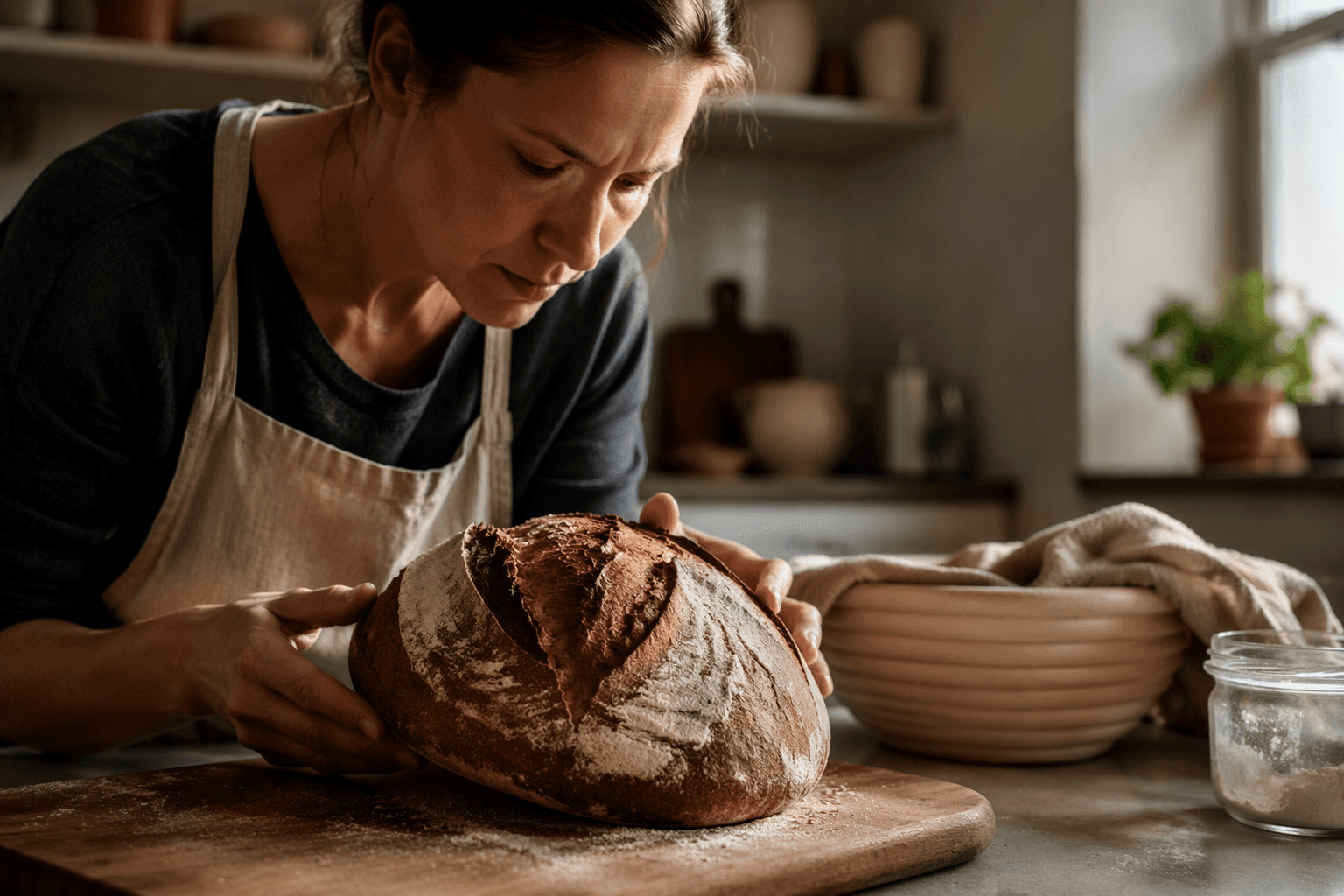
The Sourdough Society of Lakewood Ranch is making a simple case for why bread baking works better as a group: the fastest way to improve a loaf is to put it on a table next to somebody else’s. At the club’s interest-and-planning meeting on April 21, bakers came with different starters, different ingredients and different instincts, then compared the results the old-fashioned way, by slicing into them, feeling the crumb and arguing over what changed the flavor.
That is the real shift here. Sourdough stopped being a lone-kitchen pandemic project and turned into a community practice, where the point is not just to bake bread but to learn how other people solve the same sticky problems. In Lakewood Ranch, that means a club built around experimentation, troubleshooting and the kind of shared obsession that makes a hobby useful.
Why the club format works
David Wiegand, the group leader, has been baking sourdough since the COVID-19 lockdown, and he talks about it like someone who has already gone through the obsessive phase and decided to keep going. He is drawn to the artistry of turning flour, water and wild culture into something beautiful and shareable, but he is just as clear about the practical side. The club exists, he says, so people can swap recipes, tips and trips, and keep improving together.
That matters because sourdough is not a bake-and-forget bread. When a loaf fails, the problem could be the starter, the flour, the hydration, the bulk fermentation, the shaping or the bake itself. In a club, those variables become easier to isolate because everybody is working from a different reference point, and that comparison speeds up the learning curve in a way solo baking rarely does.
The Lakewood Ranch group also shows the motivational side of communal baking. If one person is pushing through a stubborn starter and another is pulling a loaf with a glossy crust and open crumb, the room becomes a practical classroom instead of a private frustration chamber. That is often the difference between giving up after one bad bake and sticking with the process long enough to understand it.
The science underneath the obsession
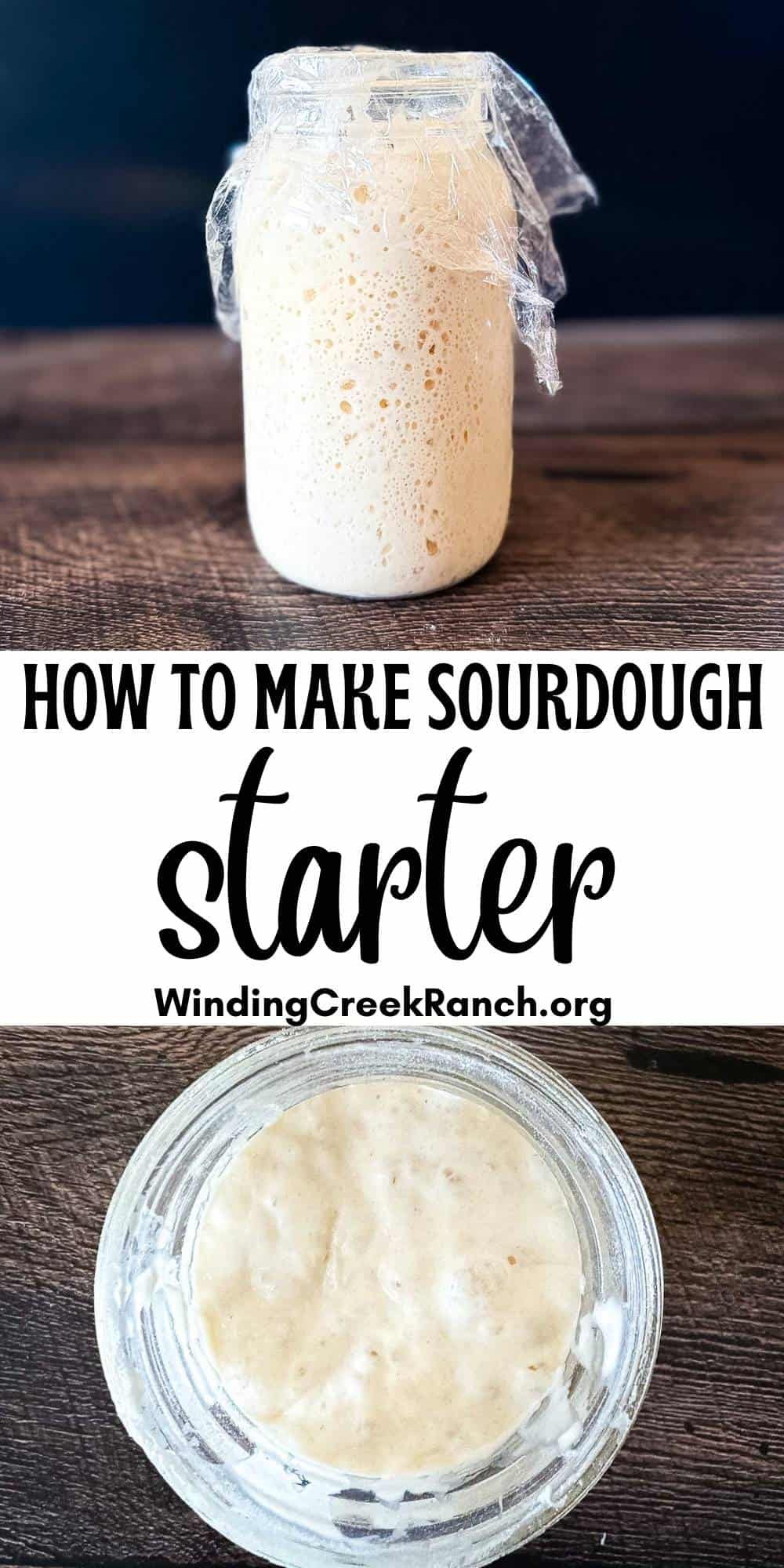
Sourdough still has the power to feel mystical, but the science is plain enough once you put it under a microscope. Scientific and extension sources describe the starter as a living community of yeast and lactic acid bacteria, a microbiome that leavens the bread and drives the flavor. Unlike bread raised with instant or active dry yeast, sourdough depends on wild microbes already present in the environment, which is why the process takes longer and why no two starters behave exactly alike.
The early days are the trickiest. By day 3, lactic acid bacteria can make the starter so acidic that many of the early colonists die off. By days 10 to 14, the starter can settle into a more stable state, with the microbes balanced enough to reliably raise dough. That slow shift explains why new bakers often think they have ruined a starter when they are really just waiting for the culture to find its footing.
It also explains why sourdough can vary by geography and environment. The microbes around Lakewood Ranch are not the same as the microbes in San Francisco, and that difference can show up in aroma, acidity and rise. For a club like this, that is not a bug. It is the point. Every jar on the table is a local experiment.
What Linda Hawkins brings to the room
Linda Hawkins of Riverwalk Ridge brings the kind of hard-won realism that keeps sourdough from turning into self-congratulation. She describes sourdough as a demanding craft that can keep her up into the early morning hours, and that sounds exactly right for anyone who has ever stared at a bowl of dough wondering whether the windowpane test or one more fold will save the day. Her Italian heritage makes her a natural kitchen experimenter, but she makes the useful distinction: sourdough requires more discipline than casual pinch-and-stir cooking.
For Hawkins, the three-day rhythm is part of the challenge. So is careful measuring. So is patience. She is also clear that perfection is the wrong goal, because every loaf will turn out differently. That is useful advice for anyone still chasing bakery-style uniformity, especially in a bread where the starter, the room temperature and the timing are always nudging the result in a different direction.
Her perspective is what separates sourdough club culture from an Instagram version of bread baking. The real reward is not a flawless ear or a perfect scoring pattern. It is learning to enjoy the process instead of treating every uneven crust like a failure.
Camille Piccininni and the value of persistence
Camille Piccininni’s path into the society reads like a case study in why a baking group can save time and sanity. She tried starters from farmers markets, repeatedly lost them, took a class for professional help and nearly cried when she finally baked her first successful loaf. After about 2 1/2 years of steady practice, she joined the society to keep learning from people who understand the same frustrations and satisfactions.
That kind of persistence is exactly what a sourdough club rewards. A lone baker can spend months reinventing the same mistakes, while a table full of experienced people can usually spot the problem faster. Maybe the dough was underproofed. Maybe the starter was too young. Maybe the hydration was off. In a group, those answers come with context, not guesswork.
Piccininni’s goal now is simple: meet like-minded bakers and trade hard-won tricks. That is a modest sentence with a big payoff. In sourdough, the tiny tricks are often the difference between a dense brick and a loaf you are proud to slice.
What the group is really comparing
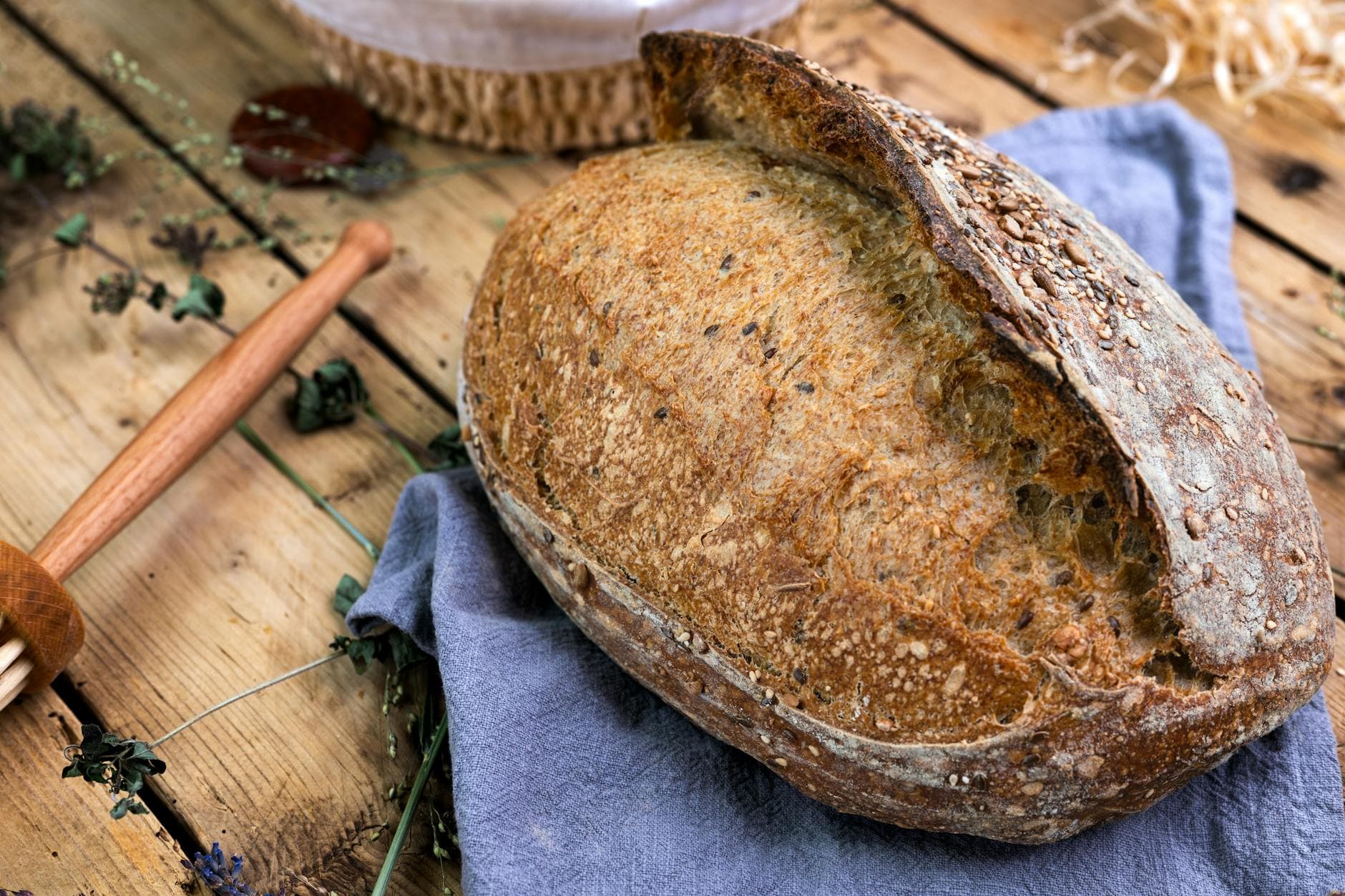
At the Lakewood Ranch gathering, members including Erica Calka, Piccininni and David Wiegand brought loaves made with different ingredients so the group could compare texture, flavor and technique. That kind of side-by-side tasting is one of the best reasons to bake socially. One loaf may show a more open crumb, another a stronger tang, another a darker crust or better oven spring, and each one tells you something concrete about flour choice, fermentation and handling.
For bakers who want to learn faster, a club setting offers a few immediate advantages:
- Faster troubleshooting, because several bakers can spot the same problem from different angles.
- Starter sharing, which makes it easier to replace a weak or lost culture.
- Technique comparison, so you can see how one shaping method or flour blend changes the loaf.
- Motivation, which matters more than people admit when a starter is sluggish or a bake goes sideways.
That kind of comparison turns opinion into evidence. Instead of guessing which method works best, the club can taste it.
A broader sourdough moment
Lakewood Ranch is part of a bigger cultural arc. Sourdough surged during the COVID-19 pandemic, when home bakers around the world turned to bread, and that momentum never entirely disappeared. April 1 is recognized in food-day calendars as National Sourdough Bread Day, a neat marker of how deeply the bread has settled into American food culture.
The history stretches much farther back than the pandemic, of course. Sourdough is widely described as one of the world’s oldest leavened breads, and in American culinary history it became tied to the California Gold Rush and early San Francisco baking. That history gives today’s clubs some welcome depth. What looks like a trendy hobby is really a revived tradition, one that has always depended on people passing starter, technique and survival tricks from one baker to the next.
That is why the Sourdough Society of Lakewood Ranch feels like more than a meetup. It is a practical answer to the hardest part of bread baking: learning faster than you fail. In a room full of bakers, sourdough stops being a solitary test and becomes a living exchange, which is exactly how this bread has always stayed alive.
This article was produced by Prism’s automated news system from verified source data, official records, and press releases, then run through automated quality and moderation checks before publishing. The system is built and supervised by the people who set the standards it runs under. Read our full AI policy.
Did this article answer your question?