Sourdough discard turns kolaches into bakery-style breakfast pastries
Sourdough discard gives kolaches a soft, buttery upgrade, with cream cheese, streusel, and spelt-einkorn dough turning leftovers into brunch-worthy pastries.
Discard becomes the reason to bake
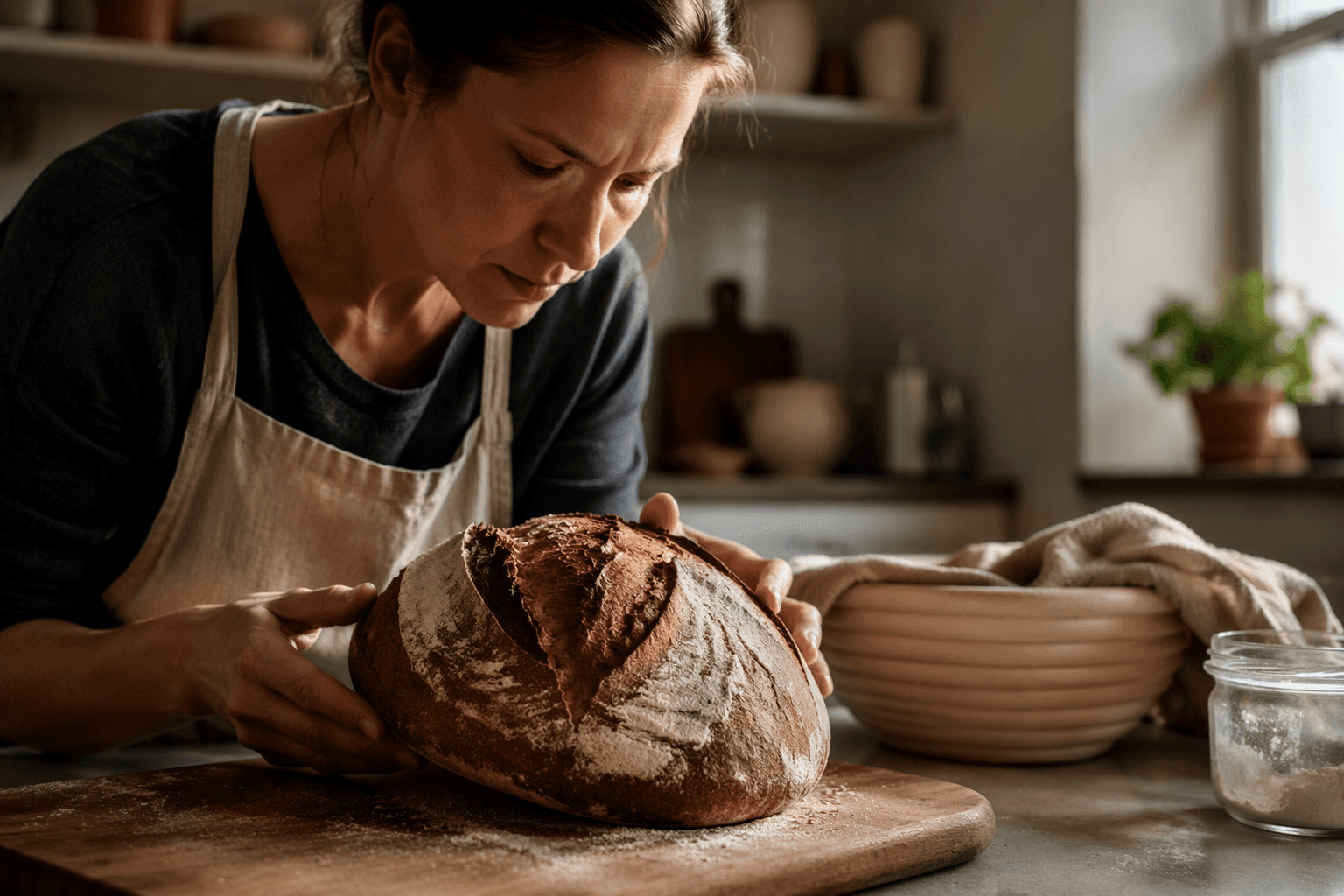
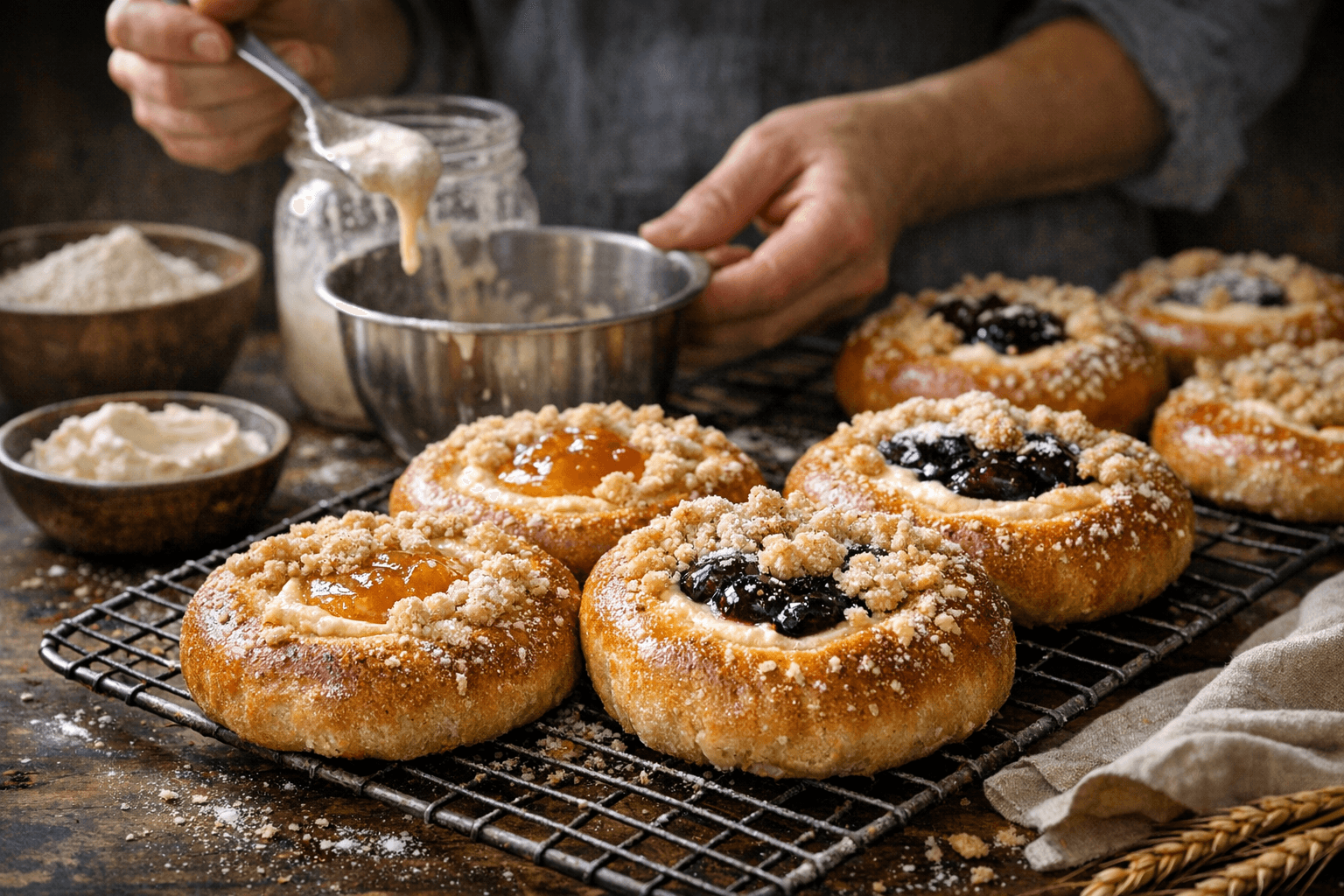
Sourdough discard does its best work when it stops acting like a problem to solve and starts acting like an ingredient with a job. In this kolache recipe from Emily’s Plate, the leftover starter brings tang and moisture to a dough that is meant to feel plush, not improvisational, which is exactly why the pastry lands so differently from the usual discard pancake or muffin. King Arthur Baking puts it plainly: discard adds flavor, but it does not do much in the leavening department, so recipes like this one are about building taste and texture, not squeezing extra lift out of the jar.
That is the real appeal here. Instead of making something merely convenient, the recipe turns maintenance into payoff: you feed the starter, save the discard, and end up with a breakfast pastry that feels bakery-made enough for a spring brunch, a potluck table, or a wrapped-up gift tin. It is a practical use for discard, but it does not read as a compromise.
Why kolaches make such a strong discard vehicle
Kolaches give sourdough discard a better stage than most quick bakes because they are already built for softness, filling, and a little luxury. King Arthur Baking describes sourdough baking as stretching far beyond crusty loaves into pancakes, cakes, crackers, cookies, pretzels, and more, and this recipe sits comfortably inside that wider, very home-kitchen reality. Discard baking has become its own mainstream lane, and sweet filled pastries are one of the clearest places to see why.
A kolache also offers something a pan of muffins cannot: a built-in sense of occasion. The pastry is portioned, filled, and topped, so each piece feels finished before it ever reaches the oven. That makes it especially useful when you want discard to disappear into something people remember, not just something they eat because it was there.
What makes this dough feel richer
Emily’s Plate gives the dough more character than a standard sweet-roll-style base by using whole-grain spelt and einkorn flour. Those grains bring a nutty flavor and a little rustic personality, which keeps the pastry from tasting flat or overly polished. The crumb becomes more nuanced too, with enough structure to hold the filling while still staying soft and tender.
That grain choice matters because it shifts the recipe from basic to intentional. The sourdough discard is not hiding inside the dough, it is helping create a deeper flavor profile that tastes considered from the first bite. You get the comfort of a buttery breakfast pastry, but with a little more depth than the average enriched dough.
The filling and topping do as much heavy lifting as the dough
Cream cheese, vanilla, and a touch of lemon juice give the center a bright, rich flavor that stands up to the buttery dough. It is the kind of filling that feels familiar enough for breakfast but polished enough to cross into pastry case territory. The lemon keeps the sweetness from getting heavy, while the cream cheese gives the kolache the dense, creamy finish people expect from a good bakery treat.
Then comes the streusel, which is doing more than decoration. That crumbly topping adds texture, a little crunch, and the classic pastry finish that makes the whole thing look deliberate when it comes out of the oven. Between the filling and the streusel, the recipe turns every component into part of the payoff, not just the dough.
When this recipe makes more sense than pancakes or muffins
Discard pancakes and muffins are useful, but they usually solve a different problem: they are fast, familiar, and efficient. This kolache recipe is the better choice when you want the discard to feel like the star of something special rather than a background ingredient in a batter. It takes a little more shaping and filling, but the result is far more rewarding if your goal is a breakfast pastry with bakery-style presence.
That difference shows up in texture, too. Pancakes disappear quickly at the table; muffins can be good, but they often stay in a one-note lane. Kolaches give you layered sweetness, soft dough, creamy filling, and streusel in one bite, which is why they work so well for a weekend bake that still wants to feel substantial.
A heritage pastry with Texas roots
Kolaches come out of Czech pastry tradition, and in Texas they became closely tied to Czech immigrant communities. That history gives the recipe real cultural weight, because it is not just borrowing a pastry name for a trendier breakfast bake. It is working inside a tradition that already has deep roots, especially in Central Texas.
Texas Monthly reports that the Texas Legislature designated Caldwell as the Kolache Capital of Texas in 1989, then named West the home of the official kolache of the Texas Legislature in 1997. West is also home to Czech Stop, which says it was established in November 1983 and has become a roadside institution on Interstate 35. Little Czech Bakery belongs to that same landscape of baked goods and roadside stops that helped turn kolaches into a Texas breakfast fixture.
That regional story matters because it explains why kolaches are so flexible in the American imagination. Traditional kolaches are sweet pastries, often fruit- or cheese-filled, while U.S. usage sometimes blurs them with klobasníky, the savory Czech pastry that became common here. In practice, that means “kolache” now often names a breakfast format as much as a single filling, which is exactly why a sourdough discard version can feel both modern and rooted.
Why this recipe works for sourdough maintenance
The smartest thing about this bake is how it reframes discard as something you want to save. Instead of thinking of leftover starter as waste, this recipe treats it like the ingredient that gives the dough tang, moisture, and a more interesting crumb. That small shift makes sourdough care feel more rewarding, because the byproduct of feeding the starter becomes the center of a pastry people will actually look forward to eating.
That is the bigger appeal of discard baking when it is done well. It is not just about using up something on the counter. It is about turning routine starter maintenance into a breakfast pastry with enough flavor, texture, and heritage to earn its place at the table.
This article was produced by Prism’s automated news system from verified source data, official records, and press releases, then run through automated quality and moderation checks before publishing. The system is built and supervised by the people who set the standards it runs under. Read our full AI policy.
Did this article answer your question?