Sourdough Starter Smuggled Onto the
A sourdough starter reportedly hidden on the ISS in 2016 may have survived a decade in microgravity — and the science of how is surprisingly useful for home bakers.
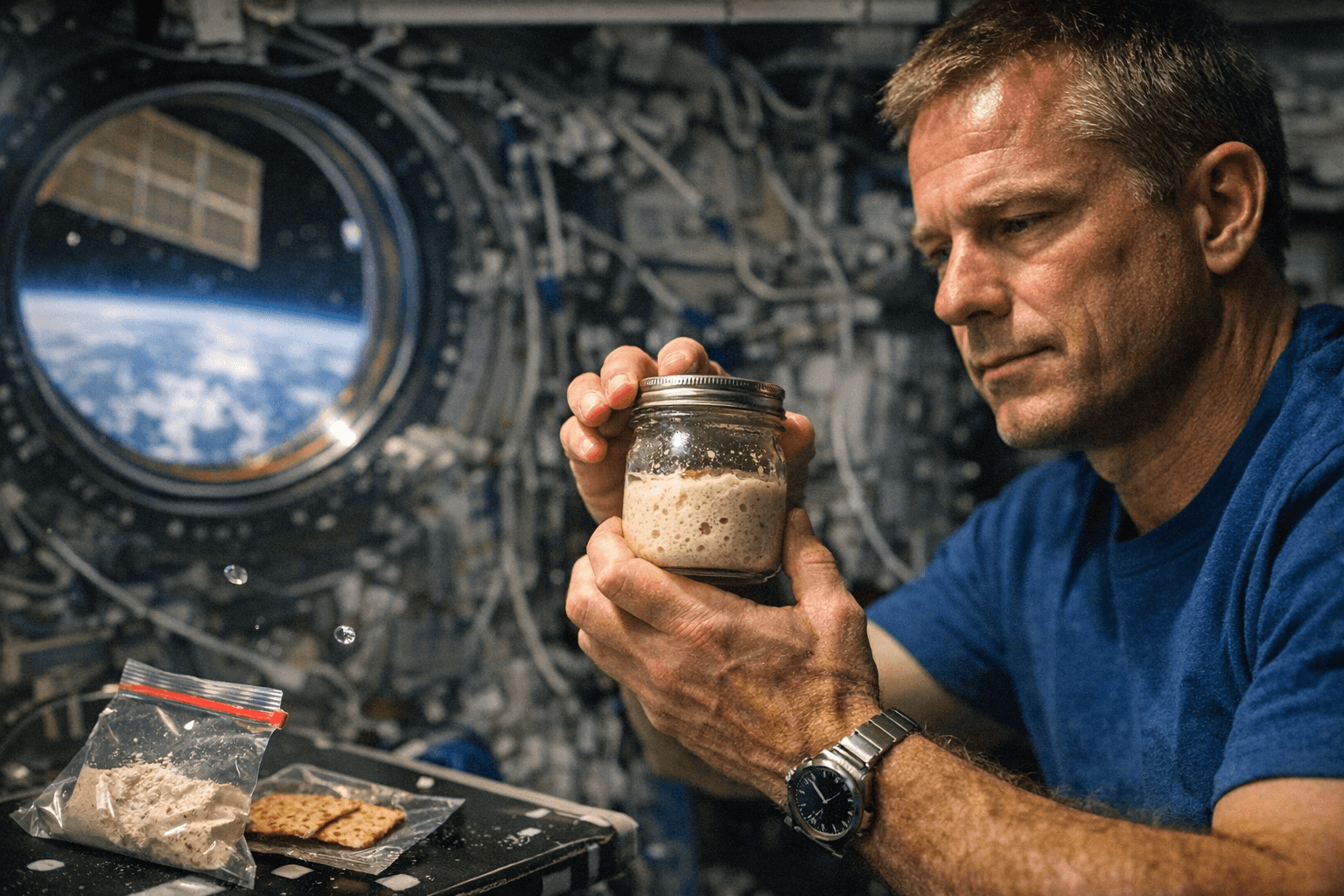
The British Interplanetary Society's science publication ran a feature this week claiming that a sourdough starter, smuggled aboard the International Space Station in 2016, had been quietly thriving for nearly a decade inside a maintenance panel behind Bay 4 of the Columbus module. The story is either the most compelling piece of fermentation science of the year, or a very good April Fools' joke. It dropped on April 1, and the BIS cited no formal NASA confirmation. Either way, the underlying biology it raises is completely real, and it tells home bakers something genuinely important about the creatures living in their jars.
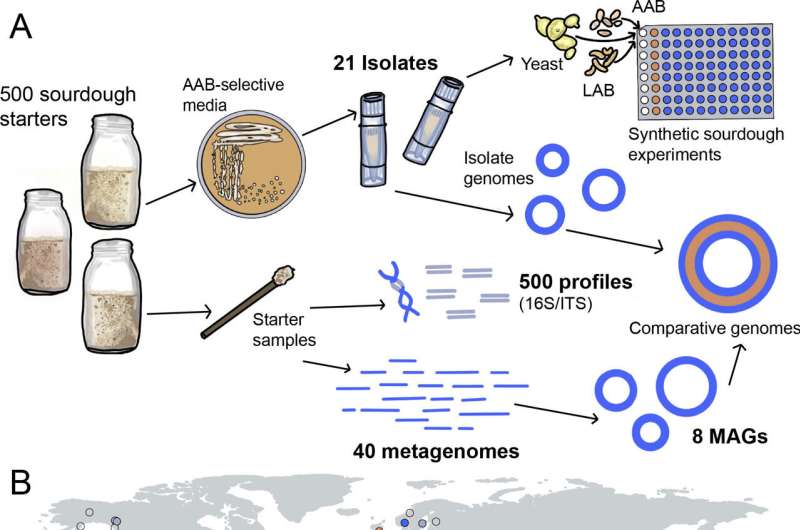
Set aside the gag-or-genuine question for a moment and ask what fermentation science actually says about the claim. Sourdough starters host more than 50 species of lactic acid bacteria and more than 20 species of yeast. Lactobacillus strains that dominate mature starters are specifically selected, through natural microbial succession, for their ability to tolerate extreme acidity, temperature swings, and dehydration. A sealed maintenance panel, dark and thermally stable, is not the worst place a desiccated culture could land. The BIS piece pointed to exactly these mechanisms: desiccation tolerance and the protection afforded by an enclosed space. That part of the speculation holds up.
In a dehydrated state, a sourdough starter can last years. Testing on a two-year-old dehydrated starter stored at room temperature showed it returning to full activity within five days of rehydration, and was used to leaven bread successfully. Ten years is a different order of magnitude, but the principle is the same: without water, fermentation halts, and the microbial population enters a form of suspended animation. A starter flattened to a thin film and dried does not die so much as wait. The ISS version of that story, if true, would simply be the most dramatic example on record.
The practical implication for anyone baking at home is to stop treating starter maintenance as a fragile daily ritual and start treating it as a backup problem. The easiest insurance is drying. Feed an active starter, spread it very thinly on parchment paper or a silicone mat, and dehydrate it at a temperature between 85 and 95 degrees Fahrenheit for four to six hours. The ceiling matters: temperatures above 98.6°F begin killing the bacteria. Once fully dry and brittle, break it into pieces, seal it in an airtight container, and store it somewhere cool and dark. That backup will outlast your sourdough motivation by years.
Refrigeration is the other option for shorter gaps. The fridge slows but does not halt fermentation, allowing the starter to enter a kind of hibernation, with hydration level playing a critical role in how long it survives. If you plan to refrigerate for longer than a week, store it immediately after a fresh feeding rather than waiting for it to peak, which gives the lactic acid bacteria the best chance of surviving prolonged cold. When you pull a neglected starter back out, the gray-brown liquid sitting on top is hooch, a mix of alcohol and acids produced by yeast consuming the last of their food supply. It looks alarming and smells worse. It is not a death certificate.
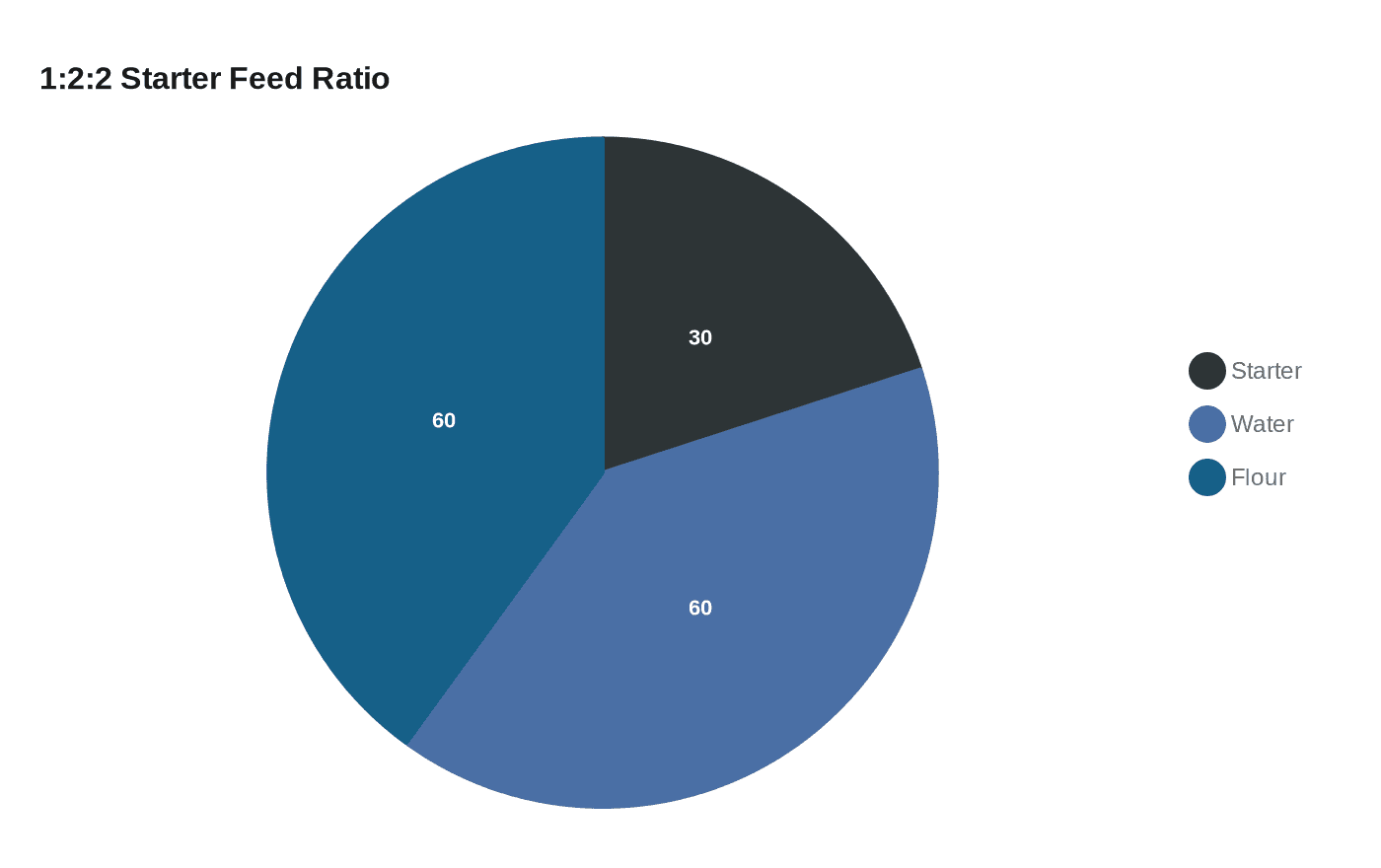
Revival is straightforward. Discard down to 30 grams of starter, then feed at a 1:2:2 ratio: 30 grams starter, 60 grams water, 60 grams flour. Mix thoroughly, cover loosely, and place in a warm spot between 24 and 27 degrees Celsius. A starter neglected long enough may not double on the first feeding; by the third or fourth feed, it typically returns to full strength. Repeat the cycle once or twice a day until activity is consistent and the starter doubles reliably within six hours of feeding. Then bake with it.
Whether the Columbus module actually spent a decade fermenting flour and water from a hidden jar is a question that deserves microbiological testing, sequencing, and a formal comment from the relevant space agencies. Until then, the BIS story functions as a very good thought experiment with a date that invites skepticism. But the biology underneath it is sound, and the lesson for anyone with a jar on their counter is real: these cultures are tougher than you think, and a dried backup is the smartest thing you can make before you ever need it.
This article was produced by Prism’s automated news system from verified source data, official records, and press releases, then run through automated quality and moderation checks before publishing. The system is built and supervised by the people who set the standards it runs under. Read our full AI policy.
Did this article answer your question?