Take-home sourdough class offers easy beginner-friendly baking instruction
A two-hour July 28 take & bake class gives beginners a low-pressure way to learn starter care, shaping, and timing without babysitting a full sourdough schedule.
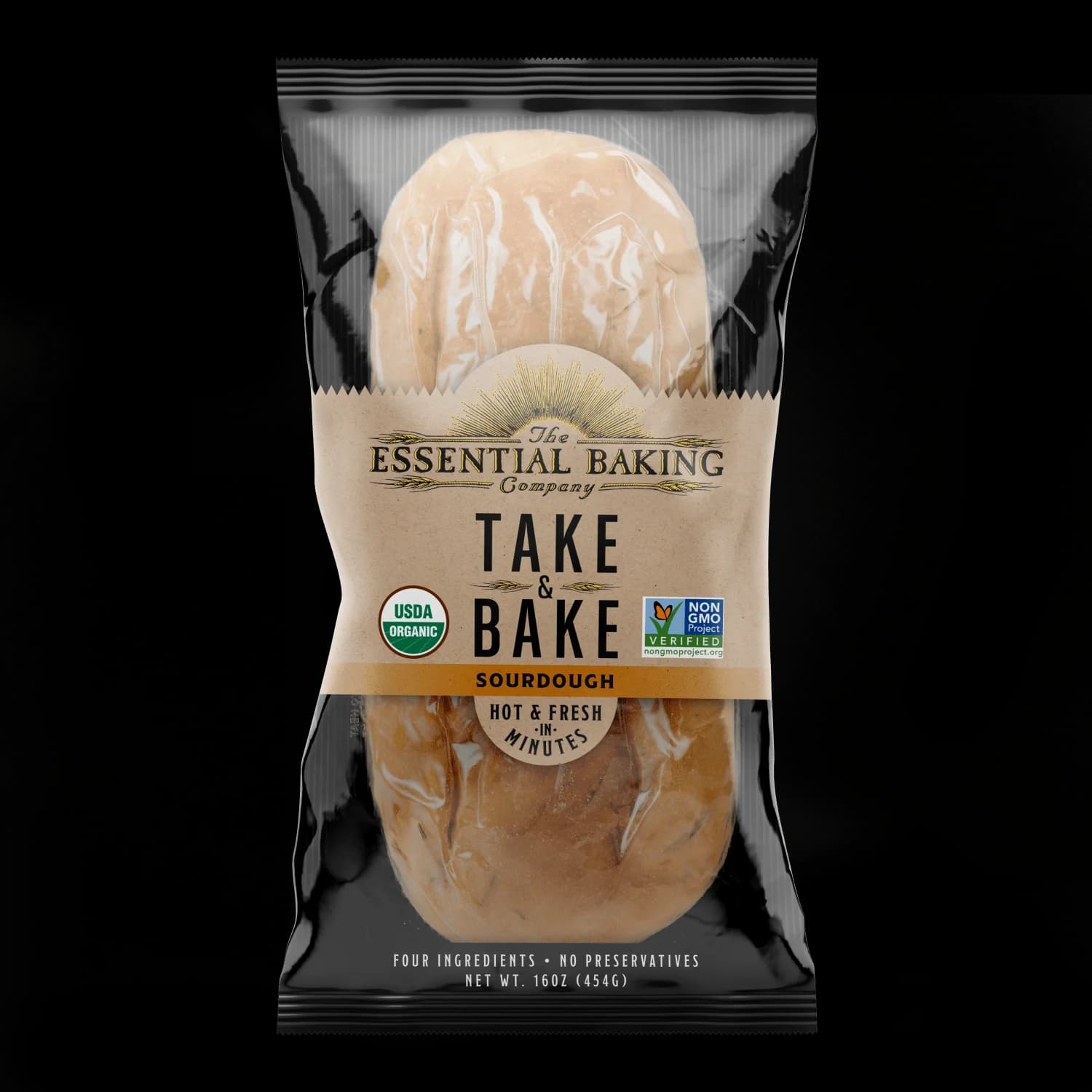
A two-hour sourdough class built around a “take & bake” format strips the hobby down to something beginners can actually handle. Scheduled for Tuesday, July 28 from 6 p.m. to 8 p.m. on Eventbrite, it aims straight at the pain points that usually stall a first loaf: starter care, dough handling, shaping, and timing.
What the class changes
The biggest advantage here is simple: you are not trying to run an entire sourdough timeline in the room. The “Take & bake your sourdough!” setup gives beginners a guided session where the hard part of fermentation is controlled for them, which matters if you work weekdays, keep odd hours, or do not want your first bake to eat up an entire day.
That evening slot matters too. A 6 p.m. to 8 p.m. class is long enough to show hands-on steps, but short enough to fit into normal life without turning bread into a weekend project. For anyone who has looked at sourdough recipes and bailed at the phrase “overnight fermentation,” this is the kind of format that lowers the barrier fast.
Why the history pitch works
The class leans on the oldest part of sourdough’s appeal, and that is not marketing fluff. Colorado State University Extension identifies sourdough bread as essential to early human societies and a staple food in cultures worldwide, and Purdue University College of Agriculture dates sourdough starters’ first recorded use to ancient Egypt, around 1500 B.C.
Sourdough was the only way bread rose for thousands of years until baker’s yeast developed less than 200 years ago.
The health framing, with the science kept honest
The Eventbrite copy calls sourdough “easy, healthy, and delicious,” and it wraps that pitch in fermented-food language about how “our ancestors” ate bread leavened with natural bacteria. That framing lines up with the broader resurgence sourdough has enjoyed for its tangy flavor, artisanal appeal, and potential health benefits, the same mix UF/IFAS Extension Taylor County points to.
The science, though, is more careful than the marketing. A 2023 Frontiers in Nutrition review examined whether sourdough bread provides clinically relevant health benefits. A 2024 science summary found the functional benefits for bread quality are confirmed, but the health benefits have not yet been clearly established in actual science. In plain terms, sourdough has real baking advantages, but the wellness claims are still something to treat cautiously rather than as settled fact.
You do not need to buy into every health claim to see the value of the class. The real win is learning how fermented dough behaves, how it feels under your hands, and how to tell whether you are on track before you end up with a dense brick.
What you can realistically learn in two hours
A class like this will not turn you into a fermentation wizard in one evening. What it can do is give you a first reliable reference point for the parts of sourdough that are hardest to learn from a recipe card alone.
- Starter care: you get a live look at what active starter should look and smell like before it goes into dough.
- Dough handling: you learn how mixed dough should move, stretch, and resist without becoming a sticky mess.
- Shaping: you see what a properly shaped loaf looks like, which is far easier to copy once than to infer from photos.
- Timing: you start judging dough by feel and volume instead of only by the clock, which is where most first attempts go off the rails.
Those four things solve a lot of the beginner frustration. People do not usually fail sourdough because they cannot read a recipe. They fail because they do not know what “ready” looks like, and sourdough is full of moments where the dough decides the schedule, not you.
Why the community setting still matters
There is also a reason sourdough keeps showing up in classrooms instead of just in blog posts. The Sourdough School, founded by Dr Vanessa Kimbell, has been teaching sourdough since 2001. Live instruction still works for a process that changes with flour, temperature, starter strength, and time.
A take-home class fits that tradition well. You get the social nudge of showing up, the benefit of seeing one person handle the dough correctly, and the safety net of a format that does not demand you nail every stage in one sitting. That is a very different experience from reading through a recipe alone at home and hoping you interpreted hydration, shaping, and proofing correctly.
This article was produced by Prism’s automated news system from verified source data, official records, and press releases, then run through automated quality and moderation checks before publishing. The system is built and supervised by the people who set the standards it runs under. Read our full AI policy.
Did this article answer your question?