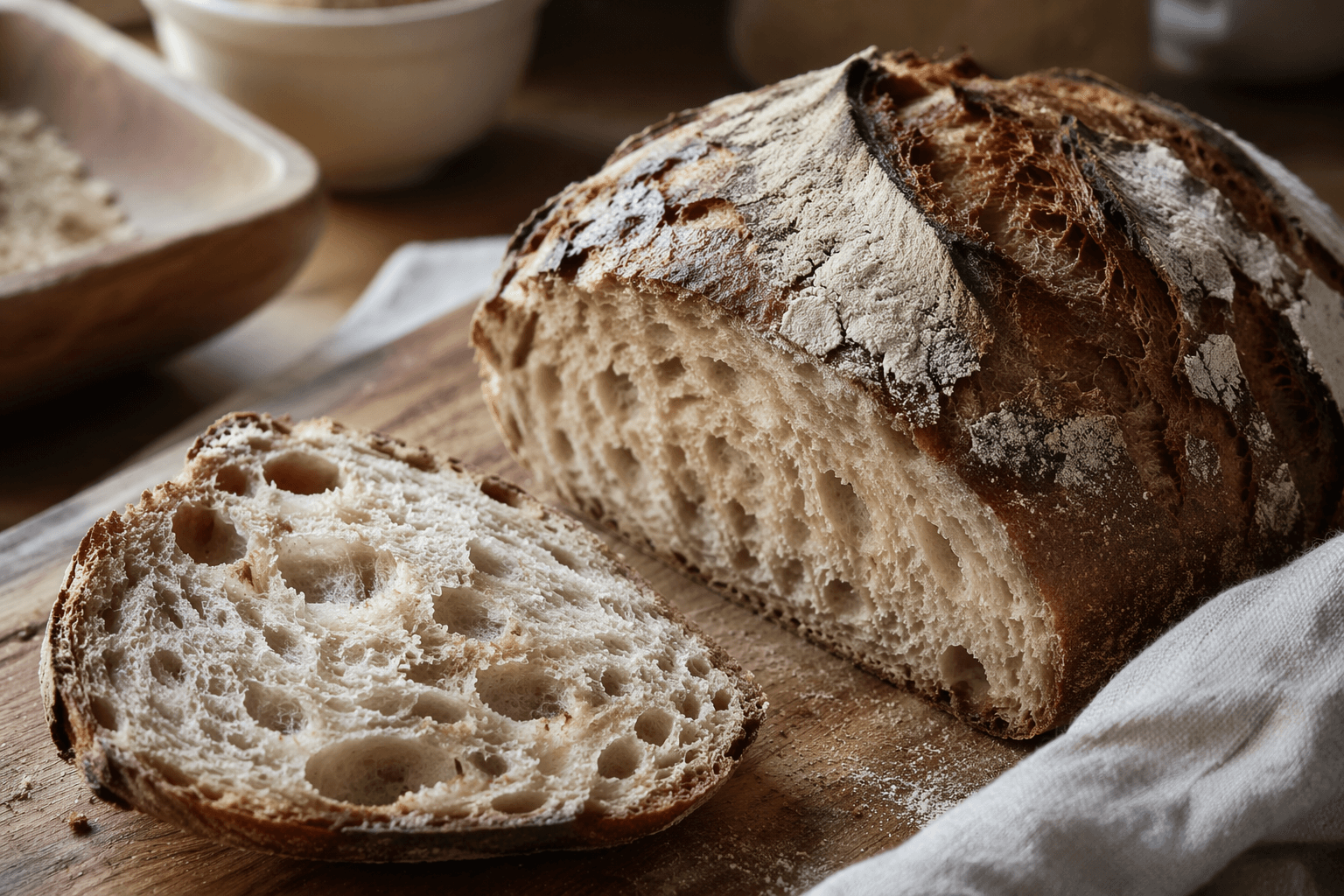
Why sourdough discard makes cinnamon rolls softer and richer
Discard turns cinnamon rolls softer, richer, and bakery-like, especially in a same-day dough powered by instant yeast and a full rest.
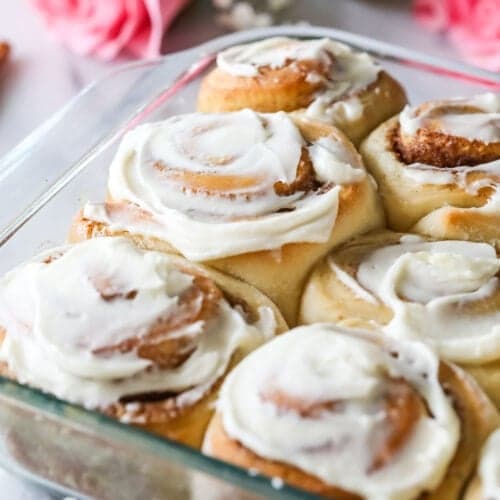
Sourdough discard belongs in cinnamon rolls, not in the compost bin. In a rich dough like this, it does what it does best: adds flavor, tenderness, and a faint fermented depth that makes the rolls taste more finished, more complex, and a lot less one-note.
Why discard works so well in cinnamon rolls
Samantha Merritt of Sugar Spun Run recommends sourdough discard in cinnamon rolls because it makes them deeper in flavor, softer, and more tender. That tracks with how discard behaves in enriched doughs: it brings character, but it is not active enough to carry the full rise on its own. For that reason, the smart move is to pair it with commercial yeast, which gives the dough its structure and lift while the discard does the flavor work.
That hybrid approach is not some workaround for beginners. The Perfect Loaf has pointed out that professional bakers have long used small amounts of commercial yeast in sourdough breads to improve oven spring, and King Arthur Baking says adding a spoonful or so of instant yeast to sourdough dough is common among new bakers, schedule-conscious home bakers, and professionals. In cinnamon rolls, that combination is especially useful because you get the sourdough note without committing to a long artisan schedule.
There is also a bigger practical point here: sourdough discard is not waste. It is the portion removed during routine starter maintenance, and that removal keeps the culture healthy and prevents the jar from becoming unmanageably large. Colorado State University Extension describes starter as a living ecosystem of microscopic yeast and bacteria, which is exactly why good maintenance matters. If you have been treating discard like an obligation, cinnamon rolls are one of the easiest ways to treat it like an ingredient with a job.
How discard changes the dough
Discard changes a cinnamon-roll dough in two important ways. First, it adds moisture and acidity, which can make the crumb feel softer and a little more plush once baked. Second, it contributes the subtle tang that gives the filling and frosting more contrast, especially when you are working with brown sugar, butter, and icing.
The key is knowing that discard is usually about half flour and half water by weight. King Arthur Baking recommends dividing the discard weight by two to estimate how much flour and water you are adding, then subtracting that amount from the rest of the recipe. That one bit of math matters because it keeps the dough from turning loose, sticky, or overloaded with extra liquid. If you skip that adjustment, you are not just adding flavor, you are changing the dough balance.
For most cinnamon-roll recipes, half a cup to three-quarters of a cup of discard is the useful zone. That is enough to bring in flavor and tenderness without hijacking the structure. It is also why discard works best in recipes that already rely on yeast or another leavener. You want the discard to support the dough, not to become responsible for the whole rise.
The make-ahead schedule that actually works
This is where discard cinnamon rolls win on convenience. Make It Dough has shown that discard rolls made with instant yeast can be ready in just over 2 hours, which puts them firmly in same-day territory. That is the real payoff: you get sourdough flavor without the overnight commitment that scares off a lot of home bakers.
The best schedule is simple and repeatable:
1. Mix the dough with discard and instant yeast.
2. Let the dough rest and rise until it is ready to shape.
3. Roll, fill, and cut the cinnamon rolls.
4. Give them a final proof until they look puffy.
5. Bake and finish with icing or frosting.
The one thing not to cheat is the resting period. The dough needs that time for flavor to develop, and shortening it usually means tighter texture and less depth. If you are trying to force the clock, you end up losing the exact qualities that make discard worth using in the first place.
How to keep the flavor balanced
Discard has a tangy, slightly fermented edge, and that is part of the appeal. The trick is pairing it with flavors that round it out instead of fighting it. Brown butter adds nuttiness, maple brings warmth, vanilla bean softens the sharp edges, and cream cheese frosting gives the whole roll a richer finish. Classic icing works too if you want the discard to stay a little more noticeable.
Toppings can do a lot of the balancing here as well. Toasted nuts add crunch and a roasted note, while fruit like apple gives the rolls a sweeter, brighter middle layer. The point is not to hide the sourdough character, but to frame it so the rolls taste layered instead of simply tangy.
That is why discard cinnamon rolls have become such a useful category in home baking. They sit right at the intersection of flavor, efficiency, and zero-waste thinking, which is exactly where a lot of modern sourdough baking now lives. You feed the starter, save the discard, and turn a maintenance byproduct into a batch that feels softer, richer, and much more bakery-like.
So the next time your starter needs a refresh, do not write off the extra scoop. In cinnamon rolls, that discard is not leftovers. It is the ingredient that makes the whole tray taste like you planned it that way.
This article was produced by Prism’s automated news system from verified source data, official records, and press releases, then run through automated quality and moderation checks before publishing. The system is built and supervised by the people who set the standards it runs under. Read our full AI policy.
Know something we missed? Have a correction or additional information?
Submit a Tip