Colorado lawmakers seek answers on wildfire readiness as drought deepens fears
Colorado’s snowpack collapse is raising the odds of closures, smoke and slower fire response just as lawmakers push federal agencies for readiness answers.
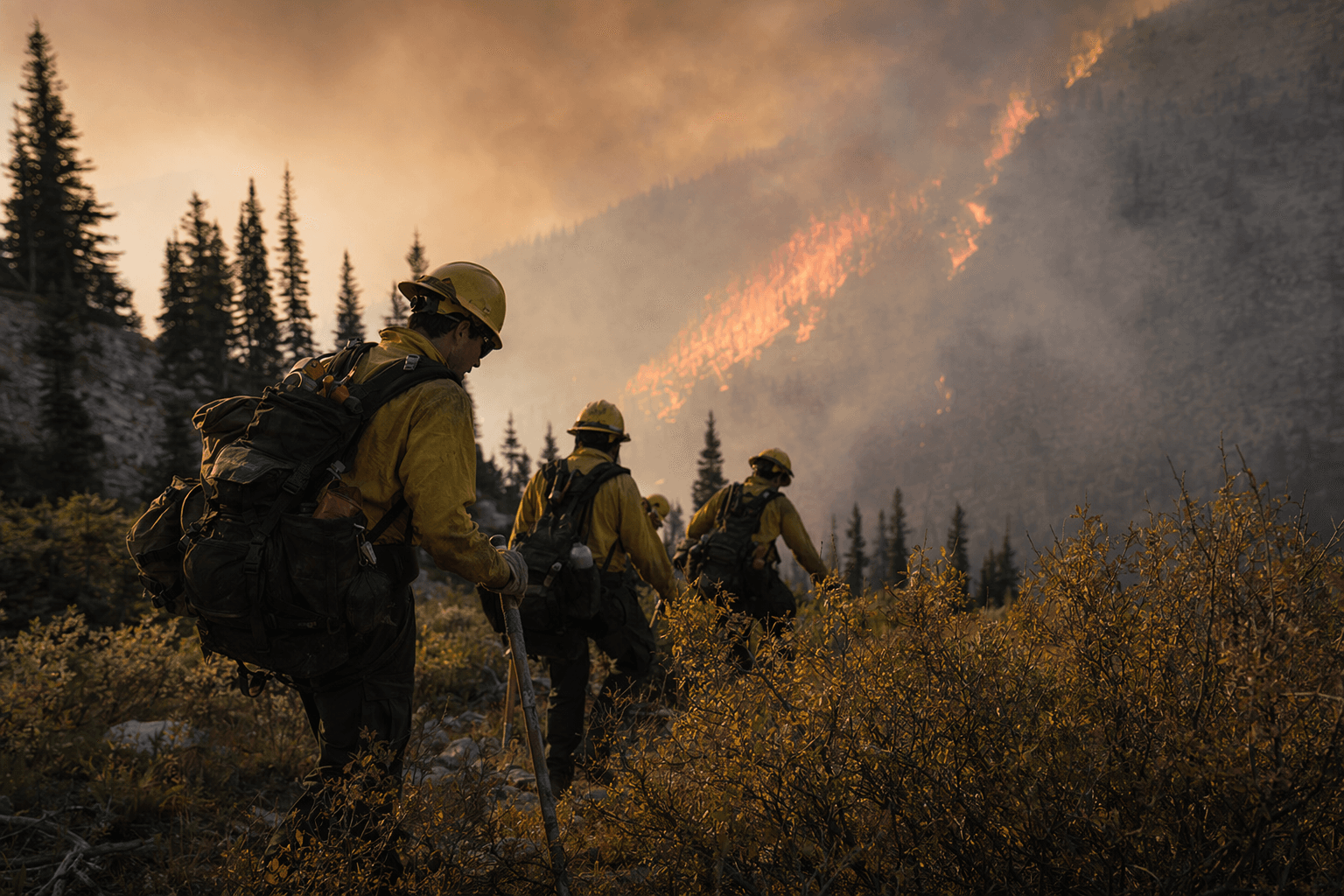
Dry trails, smoky ridgelines and sudden forest closures are shaping up to be part of Colorado trip planning this season. With record-low snowpack, deepening drought and hotter weather piling onto the state’s fire risk, hikers, campers and road-trippers could see more fire restrictions, more smoke delays and less margin for error once summer settles in.
U.S. Sen. Michael Bennet and Rep. Joe Neguse sent a letter in April to Agriculture Secretary Brooke Rollins and Interior Secretary Doug Burgum asking how ready the federal system is for what they described as an elevated wildfire threat. Their concern is not abstract. When the U.S. Forest Service and other land agencies are stretched thin, the result can be slower suppression, more emergency closures and more uncertainty around camping, trail access and backroad travel in the Colorado high country.
The timing is what makes this season feel especially brittle. On April 29, Rollins issued a wildfire readiness memorandum directing the Forest Service to heighten national wildfire readiness, accelerate community-focused risk reduction and strengthen firefighter health and safety. The next day, Colorado officials and partners rolled out the 2026 Wildfire Preparedness Plan in Broomfield, where Gov. Jared Polis warned that wildfire danger would rise significantly in June and July, especially along the Front Range and in western Colorado.
Colorado’s own outlook is grim. State and university officials said the state was entering fire season with significant drought, low snowpack and higher temperatures. Colorado State University reported that 60 of 64 snow-course sites with at least 50 years of data were at their lowest or tied for their lowest record values, and state experts said 2026 had become the worst snowpack year in recorded history. Fire leaders still expect the usual 6,000 to 7,000 fire starts in a typical year, but the real fear is that more of those ignitions will turn into large fires.
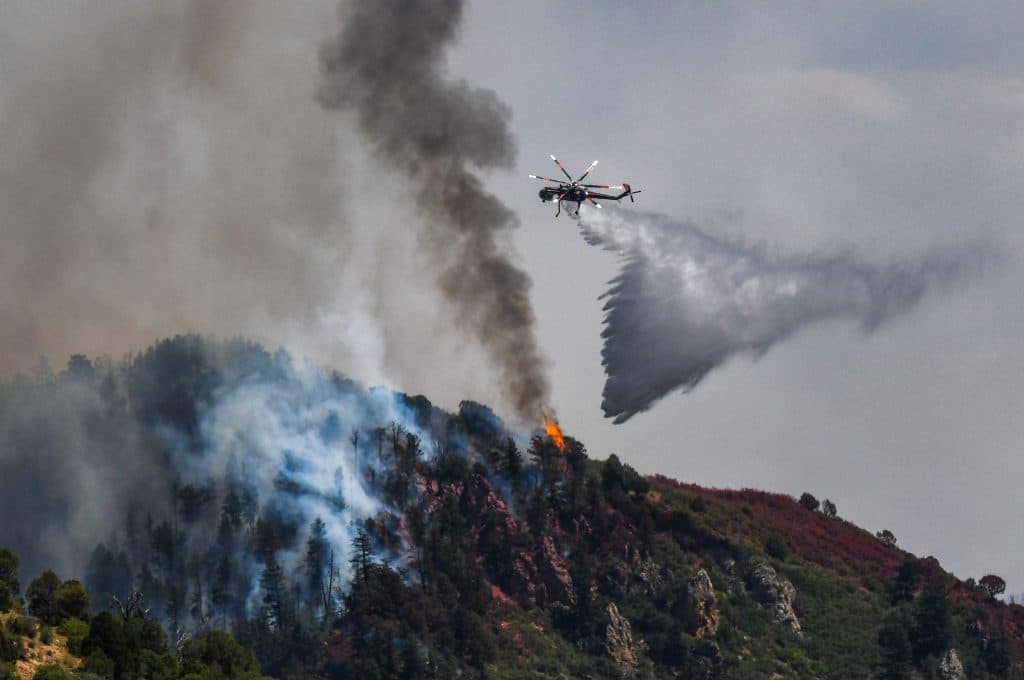
That is where the trip-planning impact becomes real. Colorado’s wildfire preparedness plan, required by state law, focuses on aerial firefighting resources, equipment and personnel at high fire risk. If those pieces are not in place, visitors feel it first through restricted access, smoky campgrounds and a longer wait for crews when conditions turn bad. Neguse and Rep. Jared Huffman pressed the Forest Service in March about staffing levels and seasonal employees ahead of fire season and summer recreation, underscoring how much outdoor access depends on agency capacity.
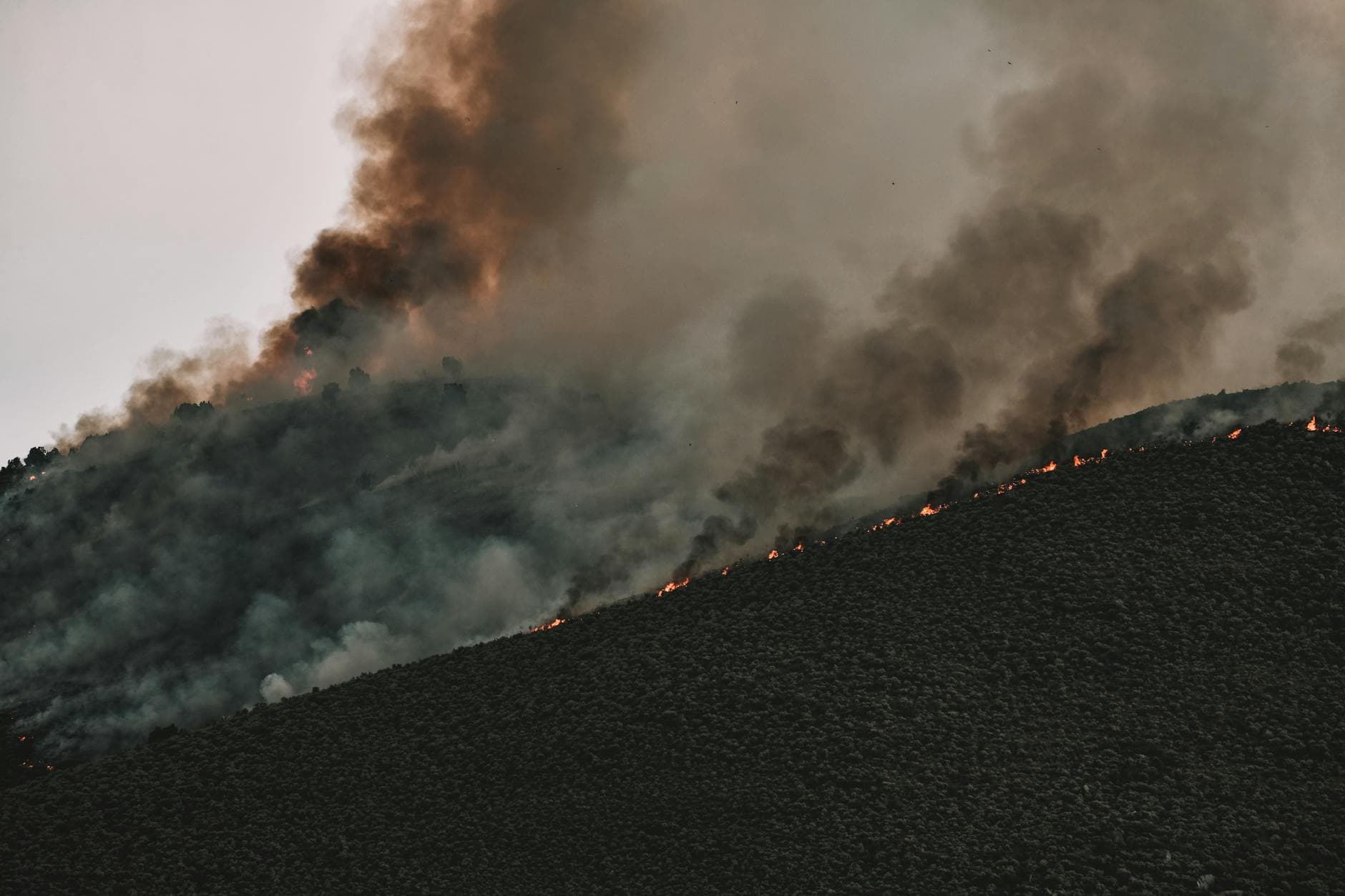
Colorado State Forester Matt McCombs has also warned that a Forest Service consolidated payment grant typically covers close to one-third of the Colorado State Forest Service budget. That is the kind of funding pressure that does not stay inside an agency office. It shows up on the ground when a trail is closed, a ranger station is short-staffed or a fire response starts to lag.
This article was produced by Prism’s automated news system from verified source data, official records, and press releases, then run through automated quality and moderation checks before publishing. The system is built and supervised by the people who set the standards it runs under. Read our full AI policy.
Did this article answer your question?