Colorado Trail warns hikers of wildfire, smoke, and water shortages in 2026
Colorado’s driest year on record is forcing earlier starts, drier streams, and bigger smoke risks on the 567-mile Colorado Trail.
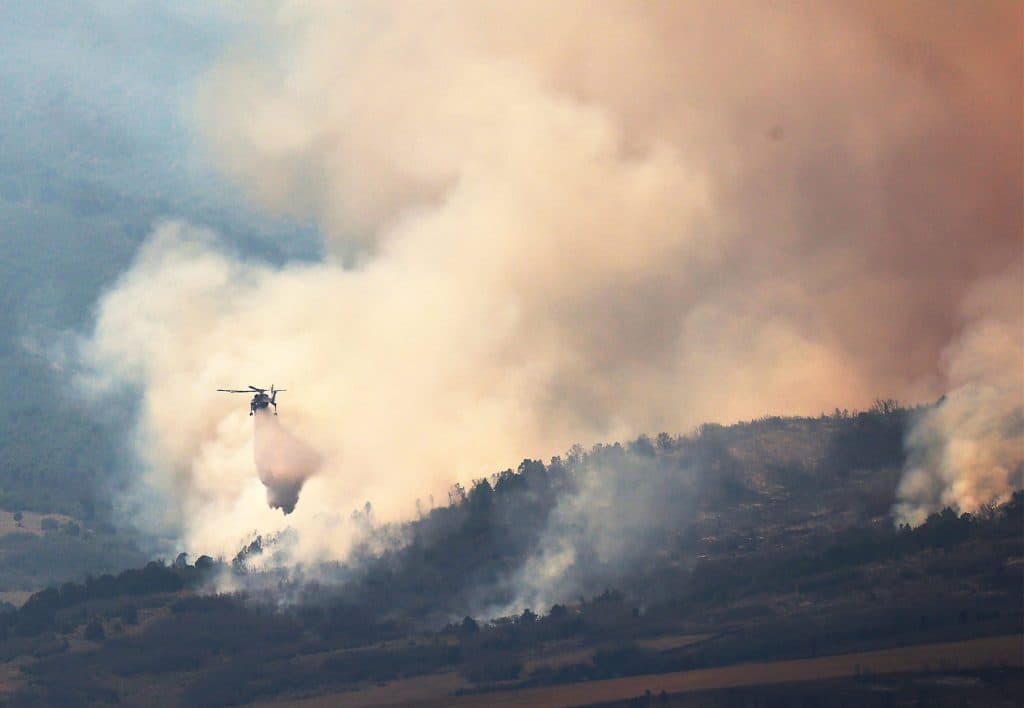
The Colorado Trail Foundation said hikers should plan for a tougher 2026 than usual: Colorado’s driest year on record, paired with summer-like heat and a fast spring melt, is pushing wildfire danger, smoke and water shortages into the heart of the season. For a route that runs 567 miles from Denver to Durango and is split into 33 segments, that changes everything from start dates to how much water you can safely carry between reliable sources.
The foundation said the trail’s real season is still mostly July, August and September, but this year’s snowpack is collapsing early. Colorado State Climatologist Russ Schumacher said April 1 is a key date for measuring mountain snowpack, and 2026 was already at record-low levels. One outlook put statewide snowpack at about 22% of the historic median for that date, a sign that meltout is arriving weeks ahead of normal in some high-country zones. The Collegiate West segments, historically the last to melt out, are still among the best bets for lingering snow well into the shoulder season.
Water is the other big problem. The foundation said some seasonal streams may not form at all this year, while others may dry up earlier than expected. It flagged Buffalo Creek and Sargent’s Mesa as especially tricky in a normal year and potentially extreme now. It also pointed hikers to historically long dry stretches on Segment 2-3, a 14-mile gap, Segments 18-19, an 11-mile gap, and Segments 26-27, a 22-mile gap, where topping off whenever possible matters more than usual. Collapsible water bladders and more conservative daily mileage are the practical play here, especially for backpackers trying to avoid a dry camp.
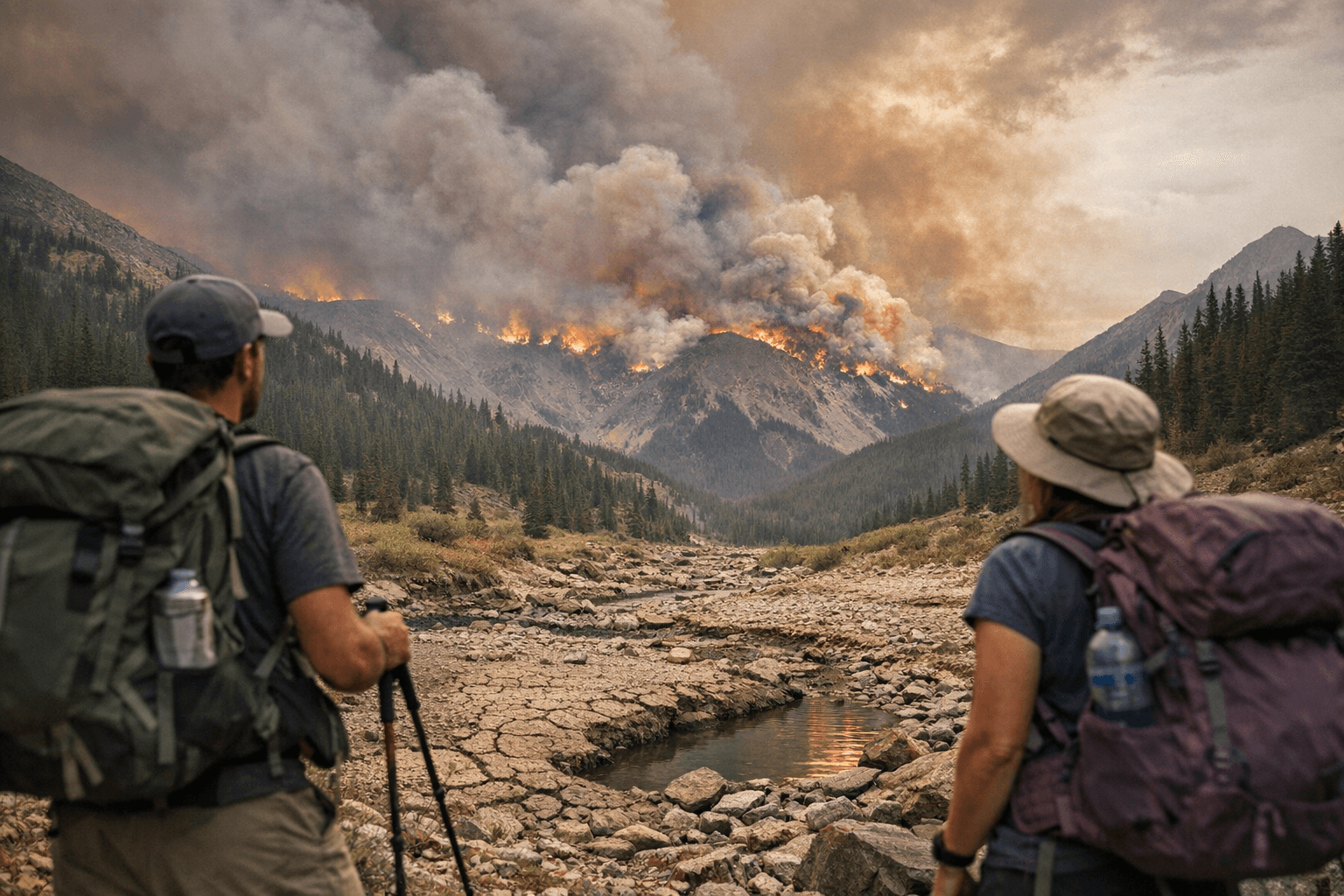
Smoke may complicate plans even when fires are far away. The foundation warned that air quality can deteriorate from fires in Utah, Idaho or Canada, which means a clean-looking forecast in Colorado does not guarantee a clean sky on the trail. Fire restrictions are already part of the picture: the Arapaho and Roosevelt National Forests & Pawnee National Grassland had Stage 1 restrictions in effect beginning March 30 for the Boulder, Clear Creek, Gilpin, Jefferson and Larimer districts. The National Interagency Fire Center’s April 1 outlook also covered April through July, another signal that fire managers were bracing for a long season.
For hikers mapping out a 2026 section hike or thru-hike, the safest approach is simple: start later if you can, favor lower-elevation segments first, verify current conditions before you leave, and build in a bailout if smoke, fire bans or dry stretches tighten the route. On the Colorado Trail, the early-season gamble is getting more expensive, and the bad bets are showing up sooner.
This article was produced by Prism’s automated news system from verified source data, official records, and press releases, then run through automated quality and moderation checks before publishing. The system is built and supervised by the people who set the standards it runs under. Read our full AI policy.
Did this article answer your question?