Pocket Fire cuts Sedona tourism during peak holiday weekend
Sedona stayed open, but Pocket Fire closures in Oak Creek Canyon, Slide Rock and other red rock staples kept visitors away during the July Fourth rush.
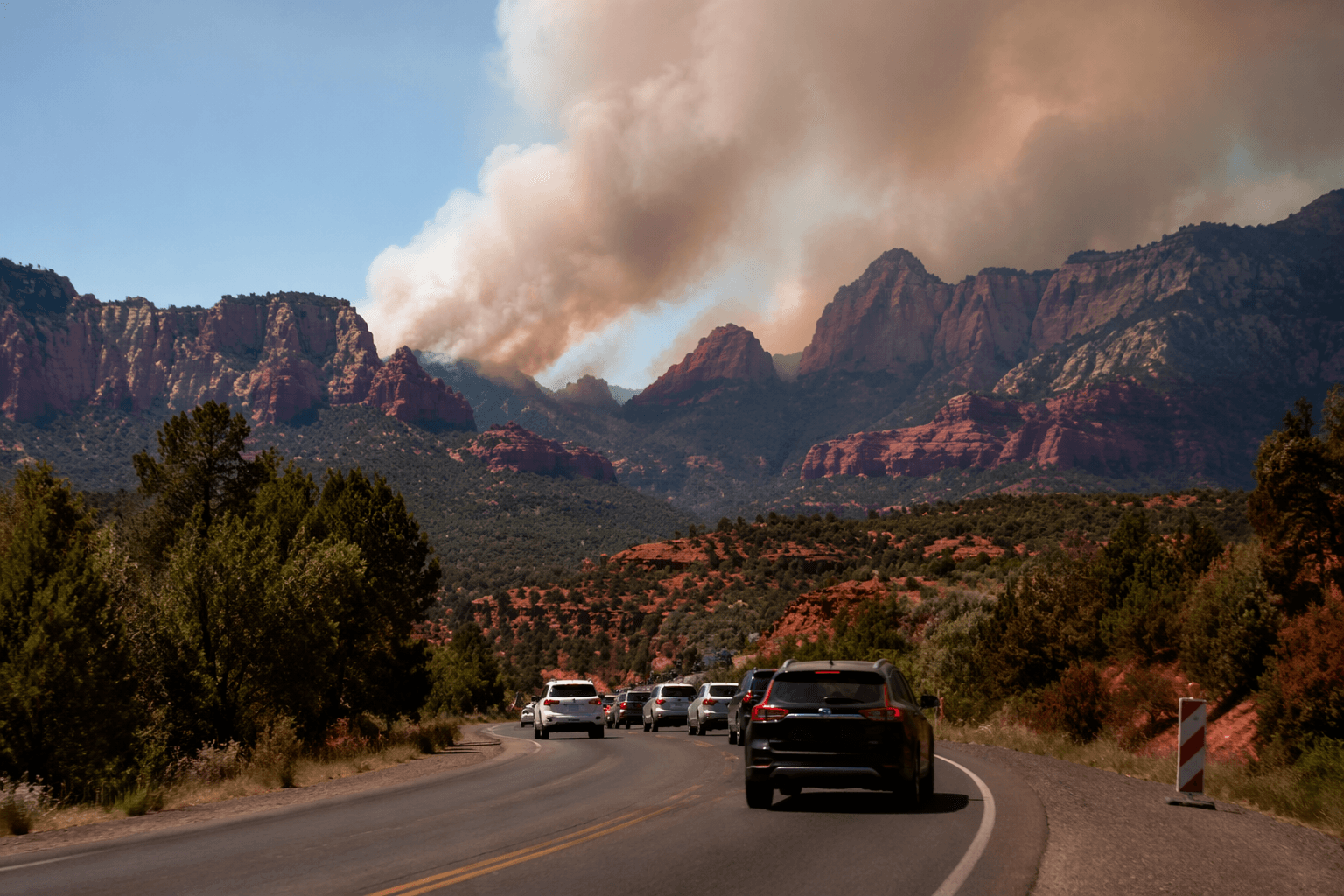
The Pocket Fire kept visitors away from Sedona during one of the busiest weekends of the year, even as the city itself remained open for business. What looked on maps like a simple Sedona trip turned into a narrower, more complicated visit once closures spread across the canyon corridor and nearby trailheads.
The wildfire started Friday, June 19, about 7 miles north of Sedona on the Coconino National Forest’s Red Rock Ranger District. Officials said it was burning in steep terrain that was difficult to access and could stay active for several weeks, a warning that quickly translated into evacuations and road restrictions for anyone headed into Oak Creek Canyon.
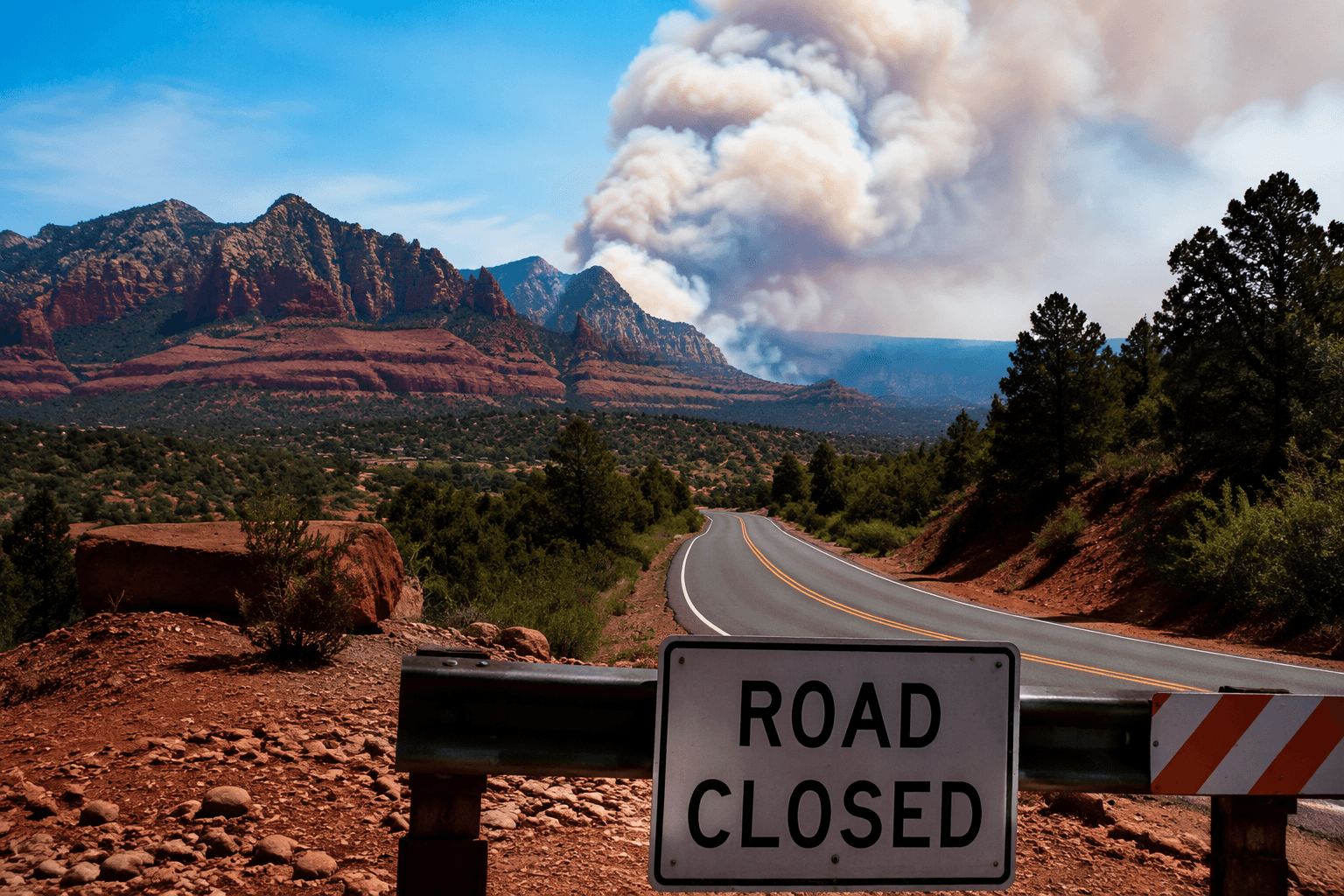
By June 20, evacuations had been ordered in Oak Creek Canyon, and the U.S. Forest Service had put a closure order in place for portions of the Coconino National Forest tied to Pocket Fire operations. That order covered campgrounds, day-use sites, trailheads and roads, including some of the best-known stops in the area such as Slide Rock State Park, Grasshopper Point and Midgley Bridge. Violating the closure order can be prosecuted as a Class B misdemeanor.
Coconino County placed Oak Creek Canyon, Kachina Village, Forest Highlands and Pine Del in SET evacuation status, then later downgraded Kachina Village, Forest Highlands and Pine Del to READY on July 1. Even with that shift, county officials continued warning smoke-sensitive residents to take precautions, a reminder that the fire’s footprint was not limited to the closed recreation sites.
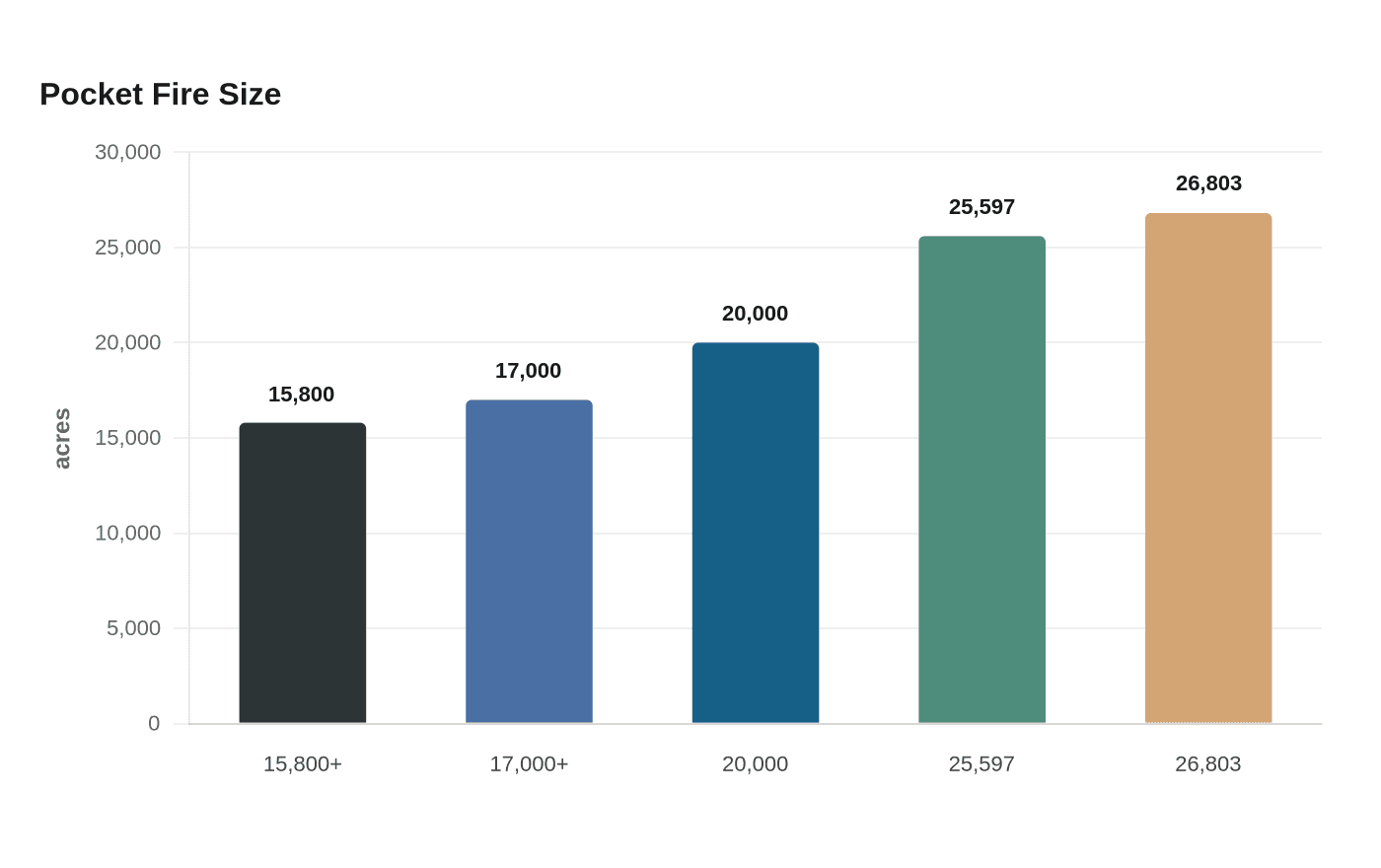
The numbers have climbed as crews worked toward containment. Visit Sedona said the fire reached 26,803 acres and 51% containment as of July 7, after earlier reports put it at more than 15,800 acres, then 17,000-plus, 20,000 and 25,597 acres. Southwest Area Incident Management Team 2 was in command of the fire response.
For travelers, the bigger misunderstanding has been the difference between Sedona proper and the corridor that feeds so much of the red rock experience. The Greater Sedona Chamber of Commerce & Tourism Bureau said Sedona remained open even while the area between Sedona and Flagstaff was temporarily closed, and it pushed social-media copy urging visitors to keep supporting local businesses. The City of Sedona’s tourism transparency hub shows why that message matters: the local economy depends heavily on visitor traffic.
The pressure has not stopped at lodging and sightseeing. The Pocket Fire also hit Sedona’s wedding industry, where some venues faced insurance problems and planners were building contingency plans as brides and clients worried about smoke and cancellations. For the holiday weekend, the scene was less about a city shutting down than a destination split between what still worked and what was suddenly out of reach.
This article was produced by Prism’s automated news system from verified source data, official records, and press releases, then run through automated quality and moderation checks before publishing. The system is built and supervised by the people who set the standards it runs under. Read our full AI policy.
Did this article answer your question?