Remote Halls Creek Narrows hike offers solitude, scrambling, and canyon drama
Halls Creek Narrows is Capitol Reef’s quiet, demanding canyon prize: long, unmarked, water-filled, and far more remote than the park’s crowded classics.
Why Halls Creek Narrows feels like a secret
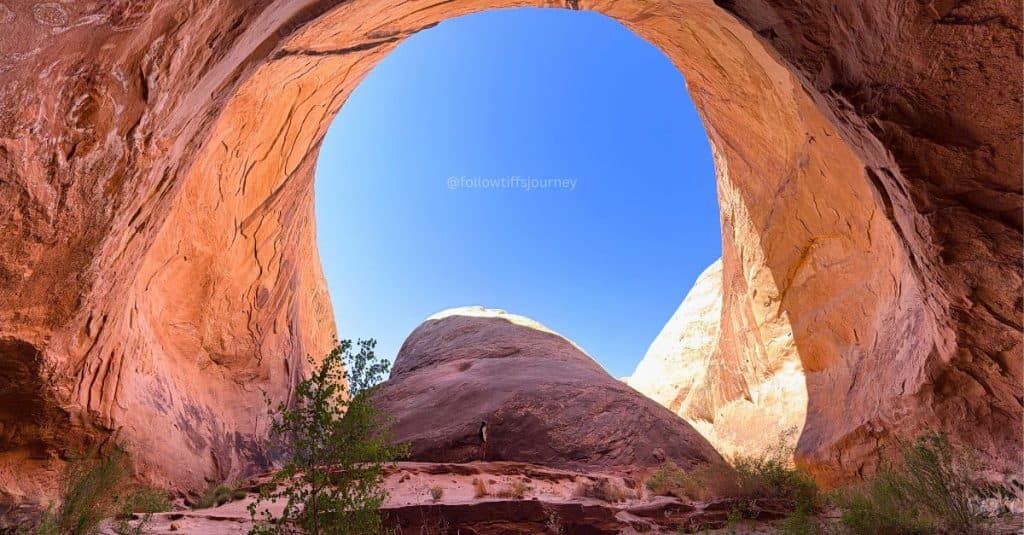
Halls Creek Narrows is the kind of Capitol Reef outing that still feels surprising even in a park that draws more than 1.2 million visitors a year. Tucked into the remote southern tip of the park, it trades the polished feel of a standard day hike for scrambling, route-finding, wading, and the kind of canyon drama that rewards hikers who like their adventure a little raw. That combination is exactly why it stands apart from the more trafficked slot canyons of the Southwest.
The appeal is not just scenery, but scarcity. This is one of those places most people have never heard of, even though it belongs in the same conversation as the region’s best backcountry canyon routes. The experience is closer in spirit to a long, technical desert traverse than a casual park stroll, which makes it a worthy goal only if you want the challenge as much as the view.
What the route actually asks of you
The National Park Service describes Halls Creek Narrows as a deep, narrow canyon at Capitol Reef’s remote southern tip, and that description should be taken literally. The route is largely unmarked, so a topographic map is recommended, and water is part of the deal from start to finish. Expect wading through water, and be prepared for places where swimming may be necessary.
The hike is commonly framed as an overnight or multi-day backpacking objective rather than a quick hit. The route is best done as a three- to four-day trip, and the guide’s suggested itinerary is a one-night version of a 17.84-mile outing that includes an 8.6-mile narrows loop. The author logged more than 3,500 feet of cumulative elevation gain and roughly 1,093 feet of net gain, numbers that tell you this is not a gentle walk even before the canyon narrows in around you.
Why experienced hikers keep coming back
What makes Halls Creek special is that it gives you all the ingredients serious desert travelers chase, but without the crowd pressure that defines many marquee slots. It feels more like a place where you have to earn the canyon, not just arrive at it. That solitude is a major draw, and it is helped by the fact that free backcountry permits are required for overnight trips, which keeps the experience self-selected and relatively uncrowded.
This is also the sort of route that asks for self-sufficiency. You need to read the landscape, manage water crossings, and stay alert to changing conditions, especially in a canyon system where the line between scenic and serious can change quickly. If you like trips that demand judgment as much as fitness, Halls Creek Narrows belongs high on the list.
Getting there is part of the commitment
Access is not casual, and that is a big reason the canyon still feels remote. The route sits in Capitol Reef’s Waterpocket District, a fairly remote and rugged part of the park that remains open year-round. The road network here is part of the experience, not just a means to an end, with access to backcountry trails like Halls Creek Narrows coming off Burr Trail Road or the southern Waterpocket roads.
The last approach matters most: the final 3 miles to Halls Creek Overlook require high-clearance, four-wheel-drive vehicles. That alone filters out a lot of would-be day-trippers and helps preserve the sense that you are headed somewhere far beyond the park’s more familiar corridors. From Hall Mesa to the Waterpocket Fold, the route threads through the Halls Creek drainage, also known as Grand Gulch, in terrain that feels both exposed and hidden at once.
Know the geology before you go
Capitol Reef’s defining feature, the Waterpocket Fold, is a nearly 100-mile-long geologic monocline, a warped bend in the Earth’s crust that gives the park much of its shape and drama. Halls Creek Narrows runs in the park’s southern reaches against that geologic backdrop, which is part of why the canyon feels so layered and cinematic. You are not just hiking through a slot-like corridor, you are moving through a landscape built by immense geologic forces.
That setting matters because it explains the terrain, the exposure, and the way routes in this district feel more rugged than refined. The Waterpocket District is a place where the land dictates the pace, and Halls Creek Narrows is one of the clearest examples of that. The hike delivers the kind of canyon experience that feels earned from the first mile to the last.
When to aim for it, and when to stay away
Spring and fall are the best seasons for Halls Creek Narrows, and that advice lines up with the realities of heat, water, and flash-flood risk in narrow desert canyons. The park warns that flash-flood season typically runs from July through September, which is not a window to treat lightly in a constricted drainage like this one. Even a beautiful canyon can turn serious fast when storm conditions build upstream.
The practical takeaway is simple: plan for shoulder-season conditions and keep weather at the center of your decision-making. If the forecast is unsettled, narrow-canyon travel is the wrong gamble. In a place this remote, timing is part of the route.
Permits, group size, and the backcountry rules that shape the trip
Overnight trips in Capitol Reef require a free backcountry permit, and those permits cannot be reserved in advance. You have to obtain them in person at the visitor center during visitor-center hours, which means this is not a plug-and-play backpacking objective. The system favors travelers who can adapt their schedule and who are comfortable building the trip around the park’s rules.
Group size is also capped at 12 people for backcountry camping. That limit keeps camps small and reinforces the feeling of isolation in the Waterpocket District. It also means Halls Creek Narrows works best for a tight, experienced crew that knows how to travel efficiently and leave no trace in a fragile canyon system.
A worthy goal, if you are ready for it
Halls Creek Narrows is not the easiest path to canyon solitude, but that is exactly why it still delivers. The miles are long, the access is remote, the route is unmarked, and the water can turn the day into a real backcountry puzzle. For hikers who want Capitol Reef at its most dramatic and least crowded, it offers a rare mix of commitment and reward.
If you want a signature Southwest adventure that feels earned from the road in, the permit in hand, and the first wade into shadowed water, this is the one to put on the list.
This article was produced by Prism’s automated news system from verified source data, official records, and press releases, then run through automated quality and moderation checks before publishing. The system is built and supervised by the people who set the standards it runs under. Read our full AI policy.
Did this article answer your question?