Six lessons from Havasu Falls for planning a tough desert trek
Havasu Falls is not a casual hike. The real trip is a permit, a mule plan, a heat plan, and a flood plan, all before you ever see the water.
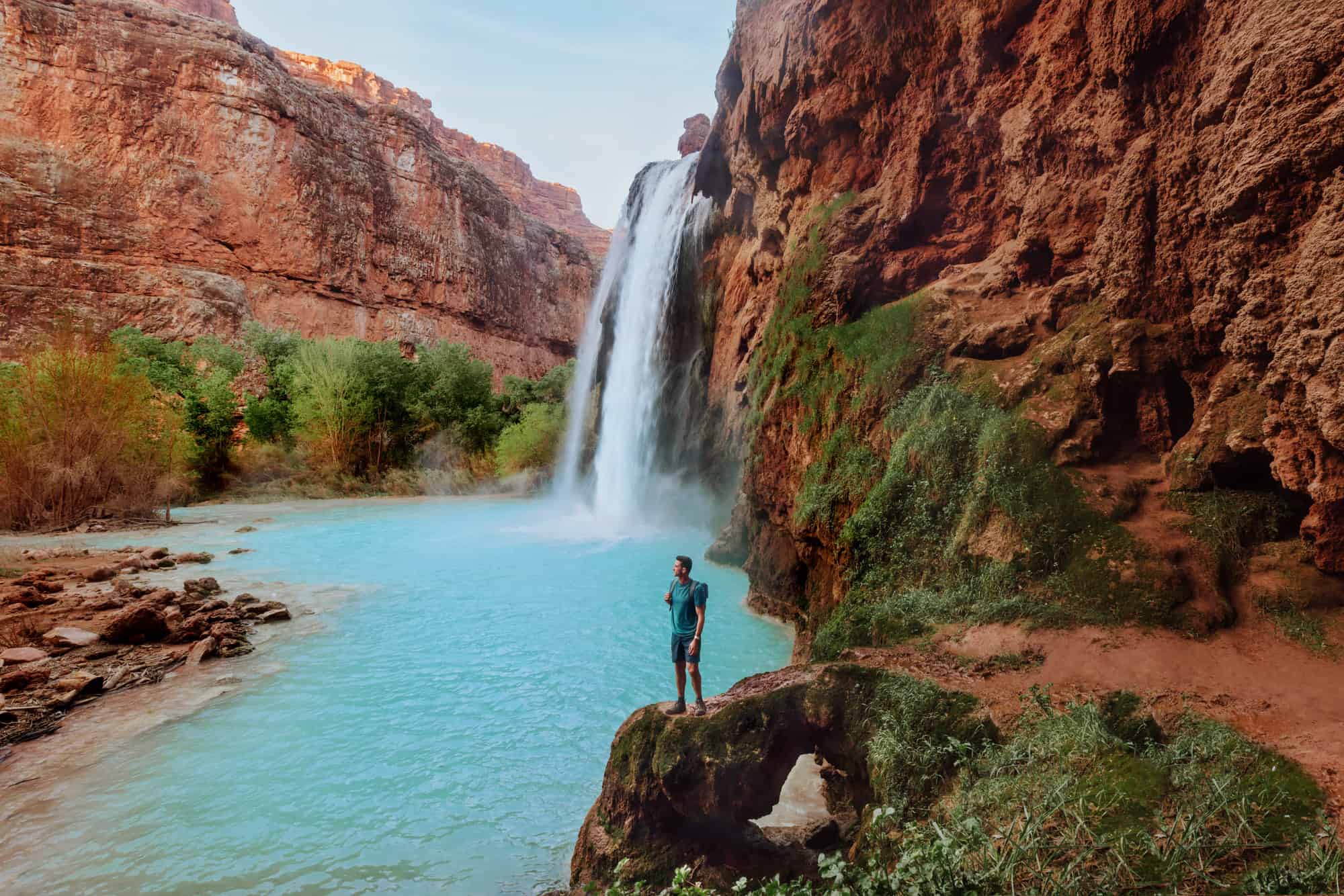
Havasu Falls looks like a bucket-list splash, but the trip starts much earlier, with a permit screen, a long desert approach, and a hard truth about self-sufficiency. If you are thinking about Havasu as a quick scenic stop, that plan just changed. The Havasupai Reservation run to Havasu Canyon is a tightly managed backcountry-style outing, and the people who enjoy it most are the ones who treat the logistics as part of the experience, not a nuisance to work around.
The permit is the trip
The Havasupai Tribe has made the booking system its own gauntlet. For 2026, early-access permit booking ran from January 21 to January 31, with the regular on-sale date set for February 1 at 8:00 a.m. Arizona time. Campground permits cost $455 per person for 3 nights, while lodge permits cost $2,277 per room for 3 nights, with up to four people in a lodge room.
This is not a flexible escape hatch. All Havasupai bookings are 4 days and 3 nights, they must be made before arrival, campground bookings can include up to 12 people, and the tribe says demand exceeds available campground spaces. Cancellations made at least 90 days before the permit start date get a 50% refund, while anything inside that window is non-refundable. The tribe also prohibits resale or transfer of permits and encourages travelers to name up to two Potential Alternate Trip Leaders when they book. If you want a seat at this table, you need to commit early and commit cleanly.
The trail asks for a real pack, not a fantasy
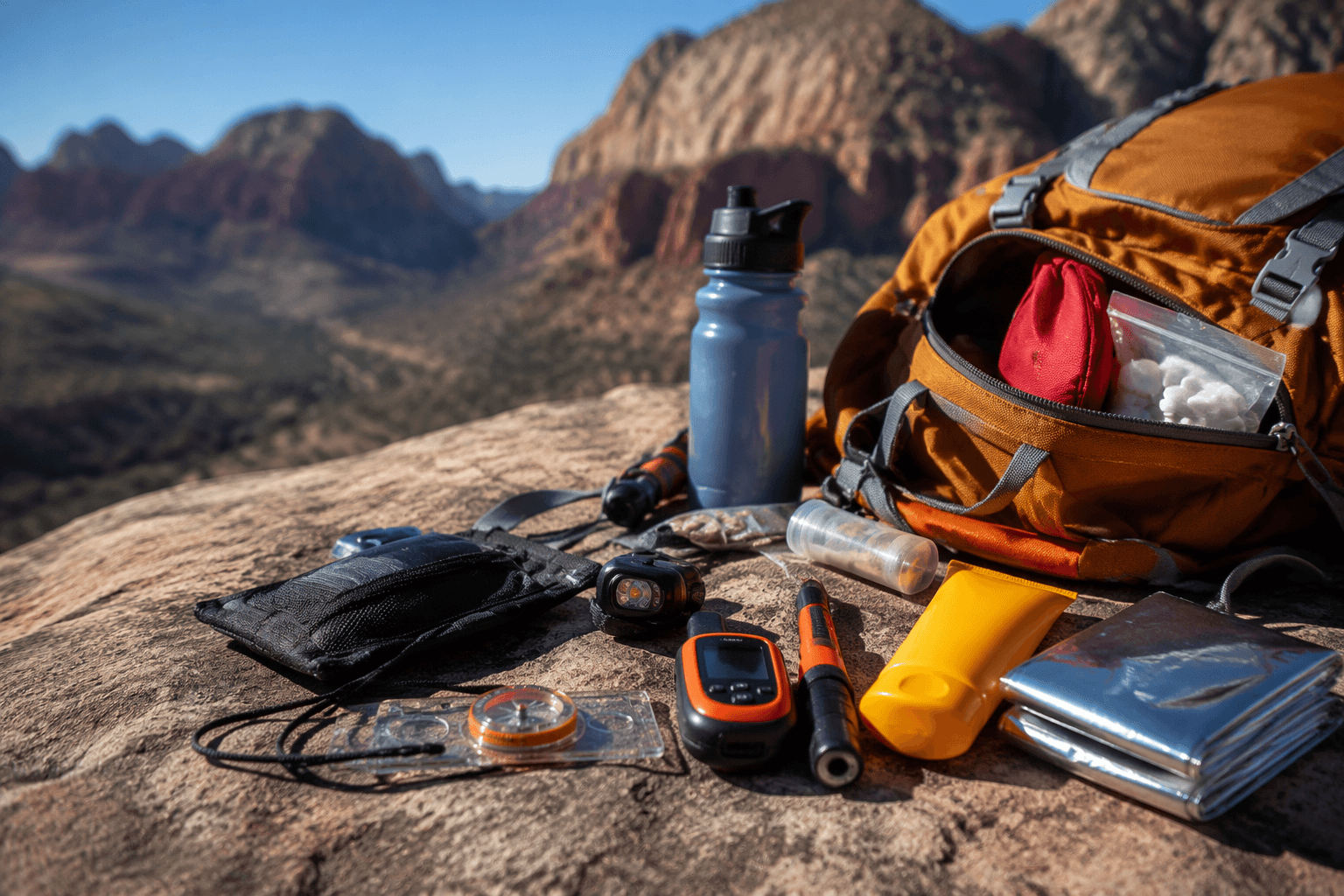
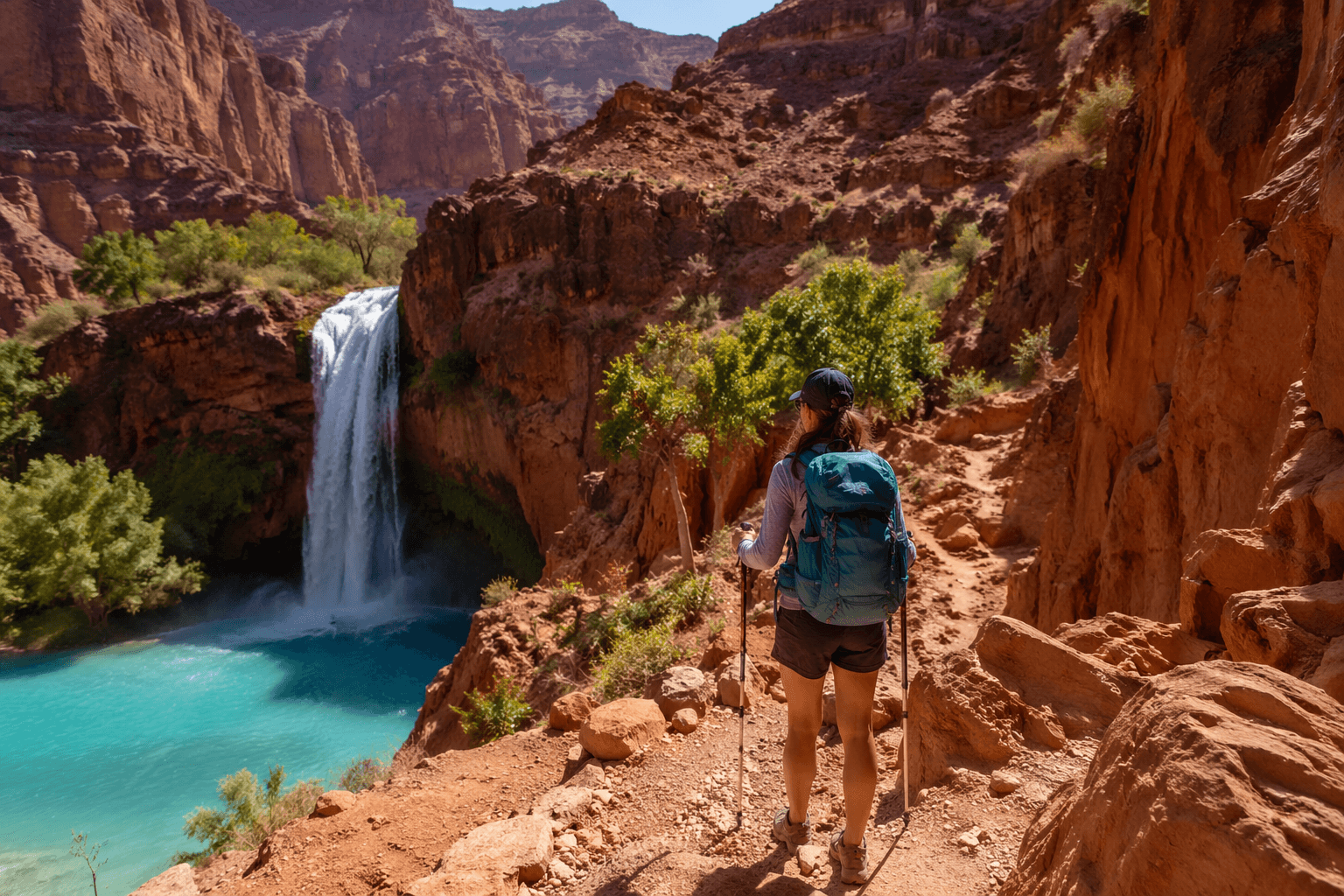
The hike from Hualapai Hilltop is the part people glamorize and then underestimate. It drops you into Havasu Canyon and asks you to earn every gallon of water, every snack, and every extra layer you bring in. The point is not just getting to Havasu Falls, it is getting there with enough energy left to enjoy the place and enough in reserve for the climb back out.
That means packing like a self-supported traveler, not a day-tripper. You are not strolling into a roadside overlook, you are entering a remote stretch of the Havasupai Indian Reservation where the return climb matters as much as the descent. Build your pace around the heat, the weight on your back, and the fact that recovery time after the hike out is part of the trip whether you schedule it or not.
Mule service is useful, but it is not a magic shortcut
The pack mule system can save your back, but only if you respect the rules. Havasupai Reservation Support says mule bookings must be requested online at least 72 hours before arrival. Each mule can carry up to four soft-sided bags, with a maximum of 32 pounds per bag, so hard-sided luggage and oversized duffels are bad ideas from the start.
Inbound bags are dropped at Hualapai Hilltop between 4 a.m. and 9 a.m. and typically reach the canyon between 2 p.m. and 5 p.m. That timing matters because it changes when you can expect your gear in Supai Village and what you need to keep on your person for the first part of the day. If your trip plan depends on a last-minute gear dump, it is already too late.
Heat can shut the canyon down
The desert does not negotiate. The National Park Service says summer temperatures in Havasu Canyon can reach 115 degrees, and trails into Supai close when temperatures exceed that threshold. That is not an abstract warning, it is a hard stop that can turn a vacation into a waiting game if you show up underprepared.
This is where water and sun protection stop being generic advice and become trip-defining gear. The combination of long exposure, steep trail work, and canyon heat means you need to think in terms of timing, shade, and pace, not just hydration in the abstract. Start early, move deliberately, and assume the hottest hours belong to the canyon, not to you.
Flood damage is part of the terrain, not a rare exception
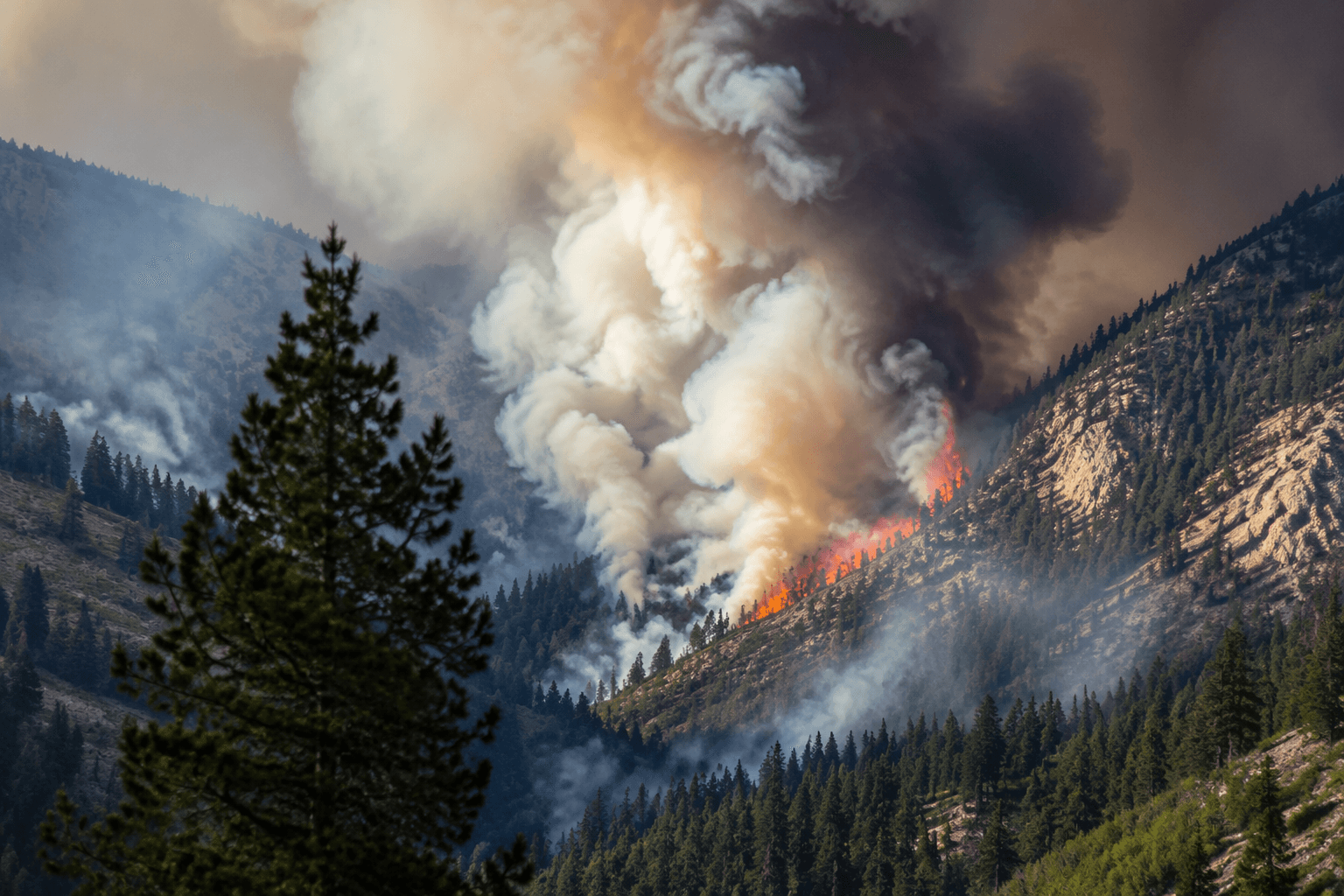
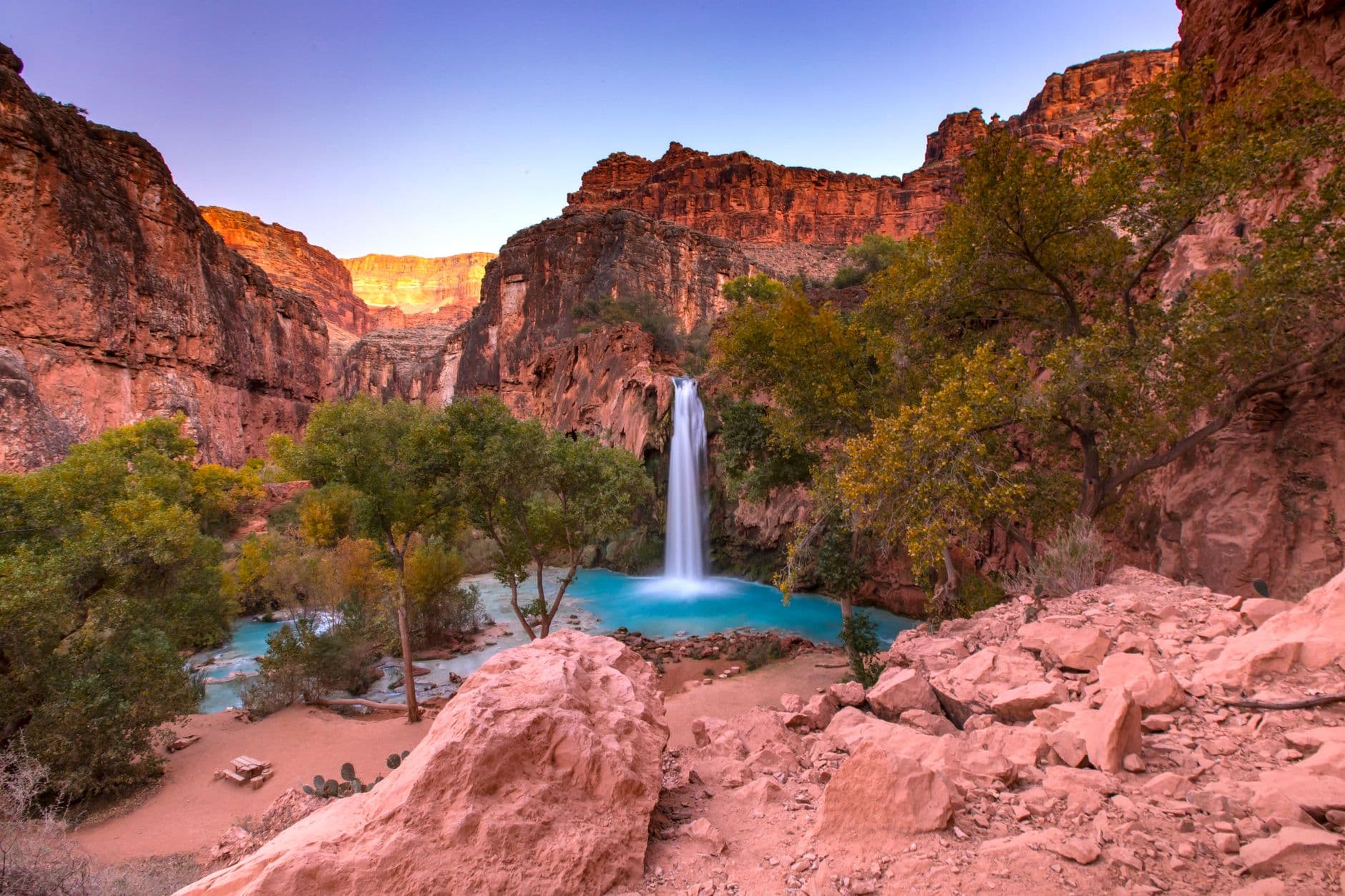
Havasu Canyon has been hit by flood damage in 2018, 2019, 2022, and 2024, and that history is not just background noise. The National Park Service says some areas remain off-limits because of unstable ground or repair work, and immediate closure of the canyon is possible at any time. In August 2024, floodwaters stranded visitors and tribal members and prompted an evacuation of an estimated 104 people, with the Arizona National Guard involved in the response.
That is the clearest reminder that Havasu is both a spectacular destination and a fragile environment. The tribe and the Park Service both frame it as the tribe’s home, not a theme park attraction, and both stress that visitors enter at their own risk with limited emergency assistance. If you are used to national park infrastructure cushioning every mistake, this is a different deal.
The best Havasu trip is the one you can actually finish
The whole lesson set comes down to a simple question: are you prepared for the canyon you want to see, or only for the photos you want to take? Havasu Falls still delivers the kind of desert-waterfall setting people chase across the Southwest, but it rewards planning, humility, and a willingness to carry your own burden. It punishes the traveler who treats the reservation like a loophole and the trail like a hallway.
If the permit timing, mule rules, heat ceiling, and flood risk all sound like obstacles, that is because they are. For the right traveler, they are also the filters that keep Havasu Falls from becoming just another overrun stop on the map.
This article was produced by Prism’s automated news system from verified source data, official records, and press releases, then run through automated quality and moderation checks before publishing. The system is built and supervised by the people who set the standards it runs under. Read our full AI policy.
Did this article answer your question?