Updated two-week American Southwest road trip guide helps summer planning
A July 2026 update to a two-week Southwest loop lands in a tougher summer: smoke, fire restrictions, and reservation rules can decide whether the trip works at all.
A July 2026 update to Adventures of Nicole’s road trip guide lands in a summer shaped by wildfire smoke, fire restrictions, and park access changes. The question is whether your route still works once the day-to-day rules shift.
Why the July update matters
The National Interagency Coordination Center’s July 1, 2026 seasonal outlook identified the Southwest, Great Basin, and Rocky Mountain areas as seeing the most significant increase in fire activity in the latter half of June, and by mid-July wildfire smoke was spreading across parts of the U.S. and other western travel corridors. That combination makes a long loop less like a fixed plan and more like a route that has to absorb new information every morning.
The National Park Service has also been adjusting the way people enter and move through high-visitation parks. Its summer 2026 guidance emphasized expanded access while maintaining safety at crowded sites, as road conditions, trail access, and visitor flow can change quickly. If your trip depends on arriving at one park at a specific hour, the current access rules matter as much as the mileage between stops.
How to pace two weeks without wrecking the trip
A good Southwest itinerary still needs the same basic building blocks: long desert drives, elevation changes, sunrise and sunset timing, and campground or hotel reservations. The difference now is that those pieces need more breathing room. A route that looks efficient on a map can become punishing if you stack back-to-back hiking days at different elevations, then add a long transfer and expect to catch a timed park entry window at the end of it.
The best use of a two-week loop is to choose a clear structure before you book anything. Some travelers will want to lean hard into national parks, others will prefer scenic byways and small towns, and many will want a mix of all three. Decide how many major anchors you can actually handle, then leave enough slack for a smoky afternoon, a rerouted drive, or a day when heat makes a strenuous trail a bad call.
- Put the longest desert drives between major hiking days, not before them.
- Treat sunrise and sunset as part of the schedule.
- Keep at least one night flexible if you are crossing from low desert into higher country.
- Lock campground or hotel reservations only after you have checked the park conditions for each stop.
A simple planning filter helps:
Timed entry is no longer a universal hurdle, but it is still part of the math
One of the biggest planning shifts this year came in February, when timed-entry reservations were no longer required at three major national parks, including Arches National Park. That does not mean the reservation problem disappeared. It means the map got uneven, with some parks easing access while others kept reservation systems in place, so you cannot assume the same rules apply from one stop to the next.
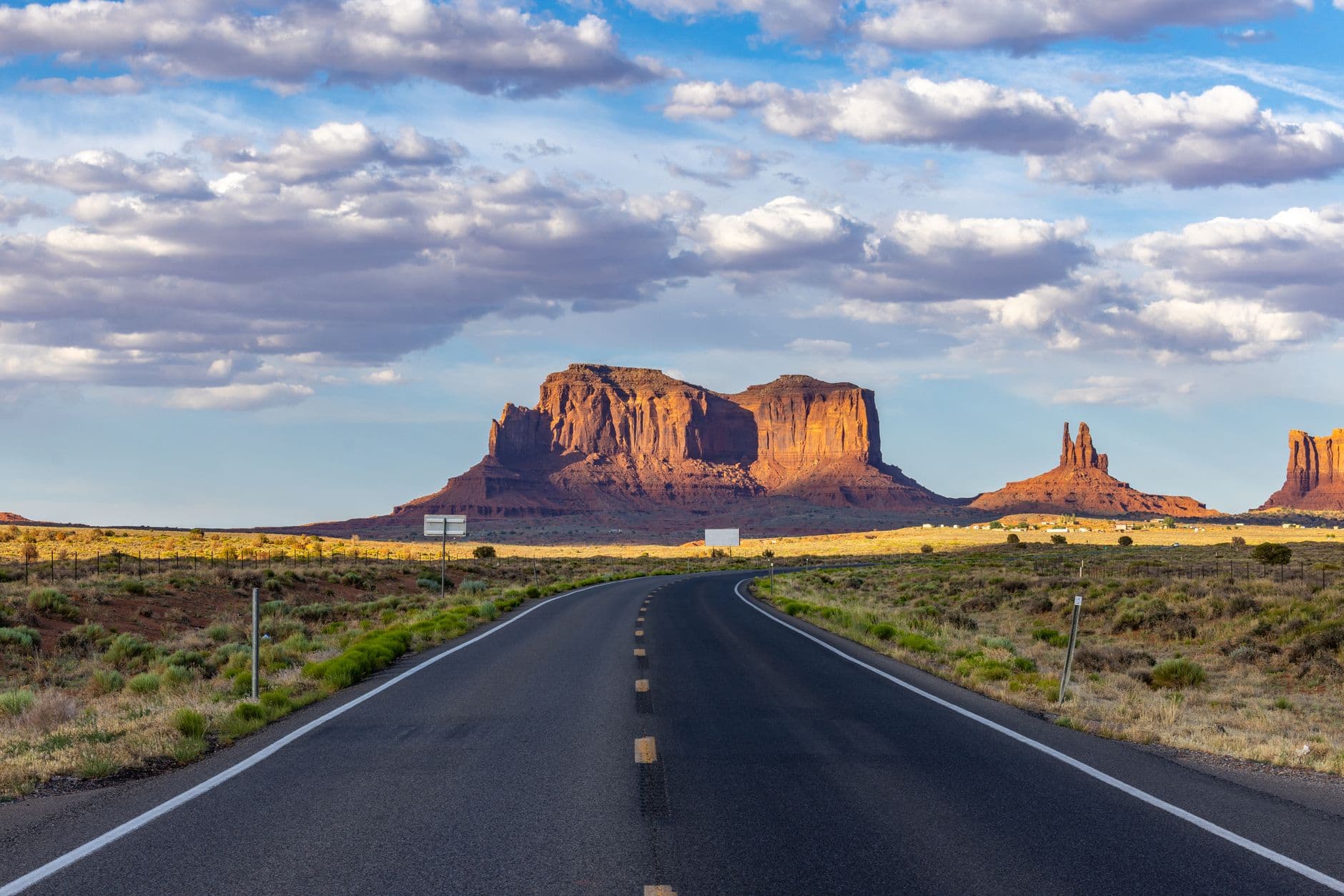
That unevenness matters for a two-week loop because it changes where you can spend your most valuable daylight. If a park no longer needs timed entry, you gain flexibility on arrival day. If another park still does, you may need to shape the entire route around that window, or risk arriving too late and losing the day. For Southwest road trips, that can be the difference between a smooth sunrise start and a frustrating afternoon in the parking lot.
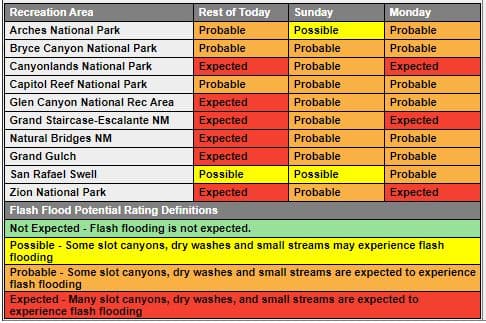
The safest approach is to treat each park as its own logistical project. High-visitation parks are balancing access and safety, which means road closures, fire restrictions, and alert updates can alter what you can do even after you have the reservation in hand. Park-by-park conditions pages are the place to check before you commit to the next night’s lodging.
How to choose the trip that will actually feel good
The Southwest rewards ambition, but it rewards sequencing even more. A two-week loop works best when you resist the urge to collect every famous stop and instead build a route that can survive heat, smoke, and a few surprise constraints. That may mean choosing fewer marquee parks and giving yourself more time in each one, especially if your alternatives would force you into a long chain of drives and overnight switches.
This article was produced by Prism’s automated news system from verified source data, official records, and press releases, then run through automated quality and moderation checks before publishing. The system is built and supervised by the people who set the standards it runs under. Read our full AI policy.
Did this article answer your question?