Utah scenic byways vs backways: which road suits your adventure?
Utah’s scenic roads split into byways and backways, and that choice changes everything from vehicle fit to fuel stops, isolation, and how rough a road you want.
Utah has 28 scenic byways and 58 scenic backways, and the line between them changes what you can drive, how far you can wander, and how much self-reliance your trip demands. If your Utah road-trip plan assumes every scenic route is a relaxed pavement loop, the road can surprise you fast.
The first choice is the road type, not the postcard view
The difference is not just administrative. It is the difference between a route built for easier touring and a route that may include packed gravel, deep ruts, winding explorations, rough surfaces, and extreme grades. If you are planning a Southwest drive, that means the scenery alone should not decide the route.
The practical question is simple: do you want a road trip that feels like a comfortable loop with regular pullouts, or do you want a more remote drive where the road itself is part of the adventure? Utah’s system gives you both, but it asks you to match the road to your own risk tolerance, time budget, and vehicle.
What a scenic byway gives you
Scenic byways are explorative journeys with trailheads and scenic pullouts along the way. That makes them the easiest starting point if you want to combine driving with hiking, photography, short stops, and easy detours. You can still get the big Southwest views, but the route is built for stopping, stretching, and moving on without a complicated logistics plan.
That matters for family trips, first-time visitors, and anyone trying to pack a lot of landscape into a manageable day. Byways are the better fit when you want scenic driving without turning the day into a recovery mission. In practical terms, they are usually the safer choice if you need predictable travel times, easier access to services, and less concern about whether the road surface will slow you down.
The Utah Scenic Byway Program has been active since the mid-1980s, and the National Scenic Byway Program, established in 1991, gave that work national recognition and a dedicated funding stream.
What a scenic backway asks from you
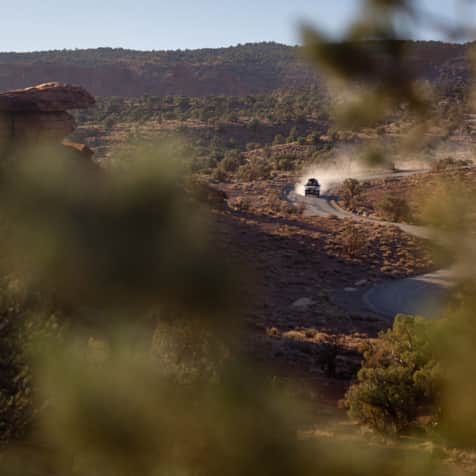
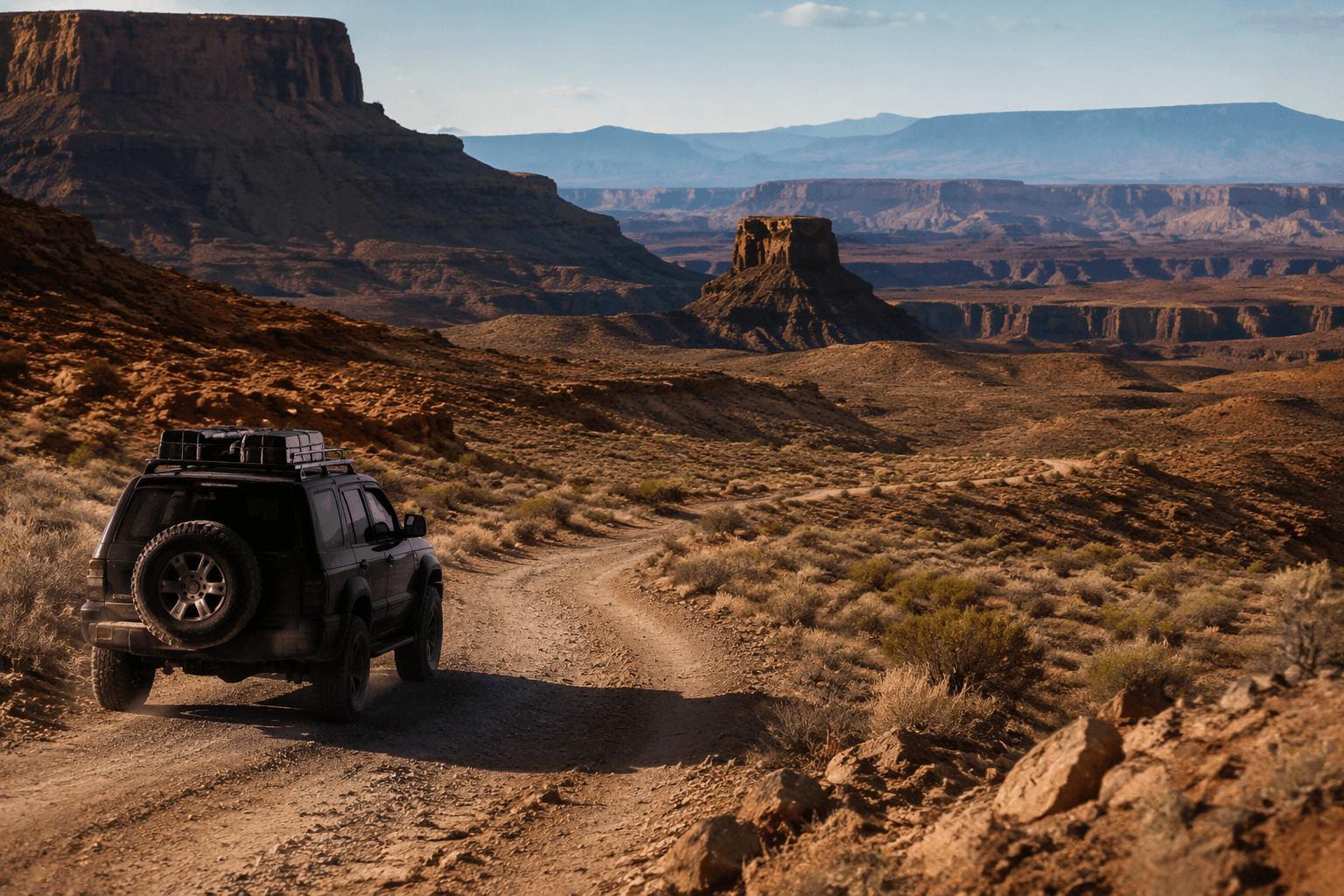
Backways are where the trip gets more remote, more flexible, and more demanding. They can include rough surfaces, narrow canyons, winding terrain, deep ruts, and extreme grades, which means they reward patience more than speed. If you want slower driving, less traffic, and a stronger feeling of isolation, this is the road class that delivers it.
Utah’s administrative rules treat scenic backways as a formal category, not just random dirt roads. Rule R926-15 defines them as roads that may be partly paved or have an all-weather surface and grades negotiable by a normal touring car. That sounds reassuring, but it does not erase the real-world conditions a backway can present. A road can meet the state’s backway definition and still require careful judgment about clearance, traction, weather, and how much abuse you want to put on your vehicle.
You need to think about when you will be driving, how long the route will take at slower speeds, where the fuel is, where the water is, and what happens if the road turns rougher than expected. In the Southwest, a route that looks short on a map can become a long day once you add gravel, grades, and the distance between services.
How to match the road to your trip
The best way to choose is to start with the trip style you actually want, then work backward from there. A scenic byway is usually the right answer if you want paved or more conventional touring, easy scenic stops, and a lower-stress day. A backway makes more sense if you are willing to trade convenience for remoteness and you want the road itself to feel like part of the adventure.
Before you commit, build the trip around the road rather than the other way around:
- Check current road conditions before you leave, especially if the route includes gravel, ruts, or canyon terrain.
- Know where your fuel stops are, because sparse services can turn a short route into a long one.
- Carry enough water and supplies for slower travel and unexpected delays.
- Be ready to turn around if weather or road surface changes make the route a poor fit for your vehicle.
That planning habit is especially important in Utah because the state’s scenic-road system covers both easier touring corridors and rougher backcountry-style drives.
Why the Southwest makes this choice even more important
Utah is not the only state built around scenic-road travel. New Mexico advertises 25 scenic byways totaling more than 2,900 miles, and its state scenic byways program was enacted on July 31, 1998, in partnership with the New Mexico Department of Transportation and the New Mexico State Highway and Transportation Department. The National Scenic Byways Program, established by Congress in 1991, recognizes roads with scenic, historic, cultural, natural, recreational, and archaeological qualities.
This article was produced by Prism’s automated news system from verified source data, official records, and press releases, then run through automated quality and moderation checks before publishing. The system is built and supervised by the people who set the standards it runs under. Read our full AI policy.
Did this article answer your question?