Cube hardware and technique merge as GAN356 Me showcases tuning tech
GAN356 Me shows the real cube upgrades are magnets, tension, and MagLev, not buzzwords. The tuning lesson is simple: hardware now shapes solve feel as much as algorithms.

CubeSkills opens its beginner course with a Speedcube Hardware Introduction lesson on a site developed by Feliks Zemdegs, the two-time Rubik’s Cube world champion. In modern speedcubing, the cube and the solve are part of the same system. If you are still treating a 3x3 like a plain plastic puzzle, the hardware has already passed you by.
The cube is now a tuned instrument
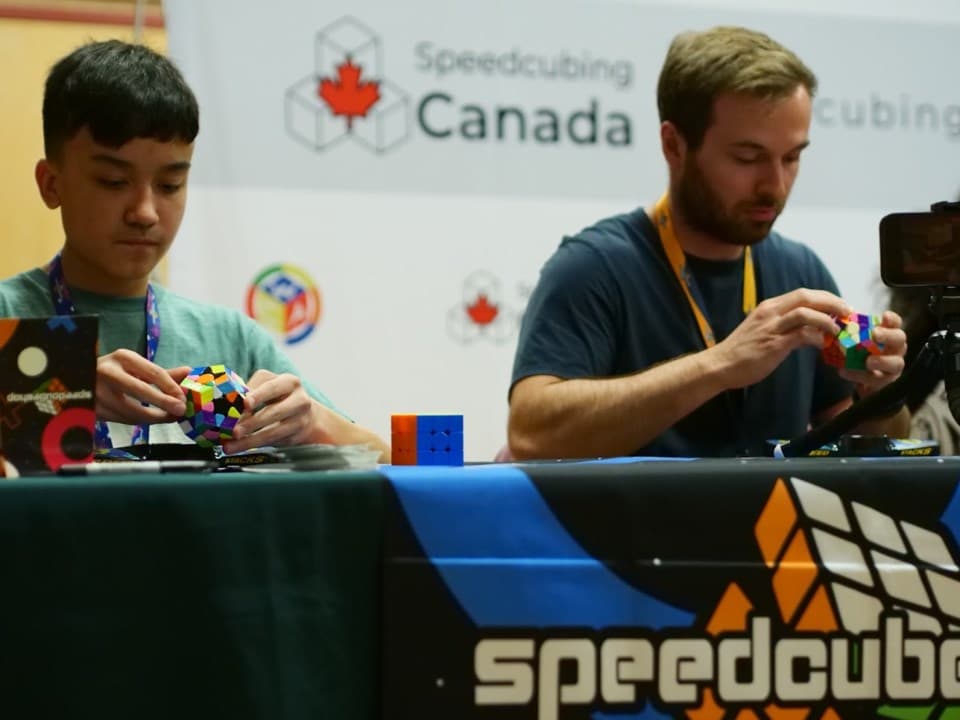
The World Cube Association is a 100% volunteer-led nonprofit and the governing body for official twisty-puzzle competitions. Its history traces the first major event back to the World Rubik’s Cube Championship in 1982. The WCA merged separate Regulations and Guidelines into one system on January 1, 2025, and the current regulations page shows an April 1, 2026 version.
Modern cube talk is no longer just about sticker shades and turning speed. It is about how a cube behaves in the hand: how early it aligns, how hard it resists overshooting, how much it fights your turns, and whether it feels stable when you are pushing the pace.
What actually changes the solve
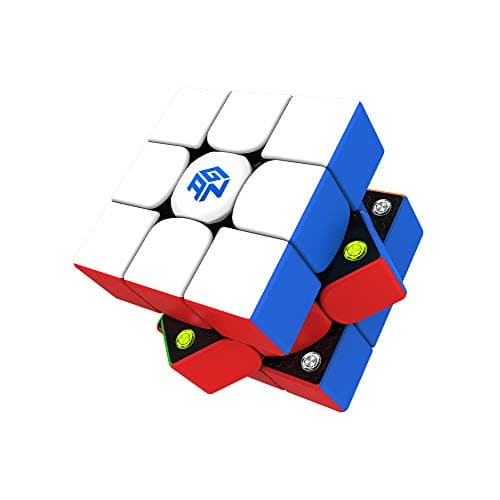
Magnets are the first hardware feature that genuinely changes feel. In practical terms, they help the layers snap into alignment, which can make turning feel cleaner and more controlled, especially when your fingers are still learning consistent flicks. On the GAN356 Me, GANCUBE lists 48 turbo magnet capsules, and that number matters less as a brag than as a clue that magnet placement and distribution are part of the design brief, not an afterthought.
Tension and compression systems come next, and these are the settings most cubers end up tampering with once they start taking the cube seriously. The GAN356 Me uses the GES Pro+ tuning system, with 12 tension settings, 4 elasticity levels, and 3 axle distances. The system lets cubers customize hand feel by tuning elasticity and travel distance, which is just a technical way of saying you can move the cube toward tighter control or freer speed.
Tighter settings usually feel more stable and can reduce lockups for newer cubers who are still developing clean turns. Looser settings can feel faster and more forgiving for advanced solvers who already know how to control the cube without relying on stiffness to hold layers in place.
MagLev is not magic, but it is real
Magnetic levitation is the other big vocabulary word in current cube design, and it is not just another badge on the box. The GAN15 weighs about 58.6 grams and uses magnetic levitation instead of springs to reduce friction, while a spherical inner track is meant to promote smoother rotation and self-alignment. GAN MagLev models use repelling magnets in place of a spring.
For everyday solving, MagLev does not instantly make you faster. It changes the return feel of the cube and cuts some of the resistance you get from traditional spring systems. That can matter in long practice sessions, where less friction and lower weight can reduce fatigue, and it can matter in fast solves, where a smoother return can make aggressive turning feel cleaner.
What is worth paying for, and in what order
If you are buying your first serious speedcube, magnets and basic tension adjustment are the features that most directly improve consistency. They help the cube feel predictable, and predictability is what a beginner actually needs before chasing raw speed. A cube with some control built in is easier to learn on than a floppy one that reacts differently every time you turn it.
If you are already past beginner solves and are working on turning style, cross efficiency, and lookahead, the tuning system matters more. That is where 12 tension settings, multiple elasticity levels, and axle distance choices become useful, because you can dial the cube toward your own turning habits instead of adapting your hands to the cube’s factory feel. At that point, MagLev becomes a comfort and feel question as much as a performance one.
Surface finish, anti-POP design, and internal structure are real, but they are usually secondary compared with magnets, tension, and springless or low-friction return systems. GAN’s honeycomb-style inner structure and anti-POP claims on the GAN356 Me are the kind of details that can help with lubrication and durability, but they do not matter as much as whether the cube stays under control when you push it hard.
Why the obsession keeps growing
Max Park’s WCA profile lists 214 competitions completed and current 3x3x3 records, a reminder that top-level cubers are living inside the smallest timing margins. Feliks Zemdegs has discussed the possibility of a two-second solve, and whether you think that is inevitable or aspirational, it shows how seriously the community now treats microscopic gains in feel, friction, and alignment.
This article was produced by Prism’s automated news system from verified source data, official records, and press releases, then run through automated quality and moderation checks before publishing. The system is built and supervised by the people who set the standards it runs under. Read our full AI policy.
Did this article answer your question?