India's speedcubing scene grows as newcomers find a clear path
India now has the WCA's third-largest registered speedcuber base, and the path in runs through a good cube, online communities, and one official meet.

India is no longer a fringe stop on the speedcubing map. Cubelelo’s 2026 guide says the country now has the world’s third-largest registered WCA speedcuber base, and the scene has matured into a real pipeline from first solve to official result. That shows up in the numbers too: Indian Nationals 2023 in Shillong drew 78 competitors, and Aryan Chhabra won 3x3 with a 6.89-second average.
Why India matters right now
The important thing about India is not just volume, it is structure. The World Cube Association is a 100% volunteer-led nonprofit that governs official competitions for twisty puzzles worldwide, and its own history page shows that the modern cubing boom was already being built online long before social media made the hobby look effortless. The Yahoo! Speedsolving Rubik’s Cube Group launched in June 2000, followed by SpeedSolving Forums in 2006, which is a reminder that today’s local scenes still grow out of online ones.
That matters in India because the growth drivers are the same ones that create a healthy cubing market anywhere: easier access to good cubes, parental acceptance, YouTube and short-form content, and more WCA competitions. Cubelelo’s guide is blunt about the entry points, and it reads like advice from someone who actually knows where beginners get stuck: buy a good speedcube, learn a beginner method, practice consistently, join online communities, then show up at a first WCA competition.
The shortest route from beginner to official result
1. Start with hardware that does not fight you.
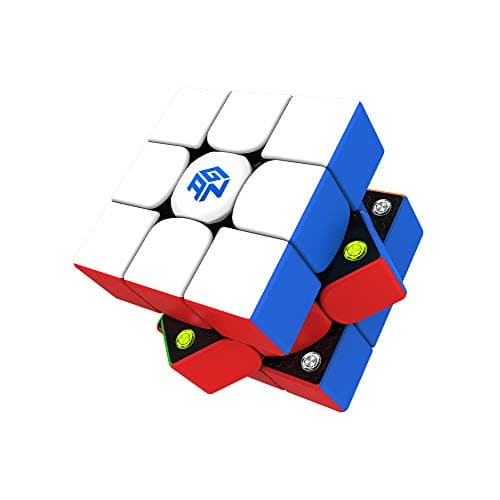
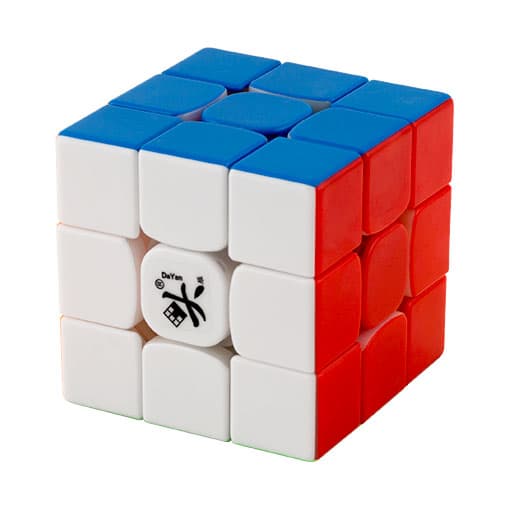
The first mistake is spending weeks on a sticky old store cube and blaming your hands for the slowdown. Cubelelo’s guide recommends buying a good speedcube first, and that advice matters because decent turning instantly makes practice feel more like skill-building and less like punishment.
2. Learn a beginner method before chasing fancy solves.
You do not need advanced last-layer theory to get into the scene. A beginner method gives you a repeatable path, and Cubelelo’s recommendation is to pair that with short, regular sessions, even 20 to 30 minutes a day, so the basics become automatic before you start caring about times.
3. Join the Indian cubing conversation where it already lives.
India’s scene is held together by the same community layer that helped the sport grow globally, and the recurring names on WCA competition pages tell you who is active on the ground: SpeedCubing India, Indian Cube Federation, Deccan Cubing, CIPHER, and SpeedCubers India. Those groups are not just logos on event pages, they are the people and networks that make the local ladder visible.
4. Go to a competition before you feel “ready.”
The WCA’s FAQ is clear: if you have never competed before, go to a competition, because your WCA ID and profile are created when your first results are published. That is the whole point of the pathway in India right now: the scene is built so you can move from home practice to an official identity without needing to already know everyone in the room.
Where the Indian scene is actually happening
The best proof that India’s scene has real depth is how spread out its major meets are. Indian Nationals 2023 ran from Dec. 15 to 17 in Shillong, Meghalaya, at North-Eastern Hill University, with organizers including CIPHER, Priyanshu Raj, SpeedCubing Guwahati, and Spondon Nath. That kind of national meet is a signal, not a one-off, because it shows the scene can pull competitors, delegates, organizers, and venue logistics together in one place.
South India Cube Championship 2025 followed the same pattern in Hyderabad, Telangana, from Aug. 14 to 17, at Ashoka One Mall. It was organized by Deccan Cubing and Indian Cube Federation, with WCA delegates Gaurav Bachani, Saiyam Jain, and Sukesh Kumar, which is exactly the sort of official scaffolding a growing scene needs if it wants newcomers to trust that the meet will run cleanly.
The 2026 calendar shows that the scene is still expanding in practical, approachable ways. Indian Cube Challenge BLR 2026 is listed for Jun. 27 to 28 in Bengaluru with a 175-competitor cap and a 1,000 base fee, while Delhi Cube Open 2026 lists a 120-competitor cap and a 700 base fee. Those numbers matter because they show both scale and accessibility: these are not huge, distant spectacles, they are manageable official meets that a newcomer can realistically target.
What your first WCA competition feels like
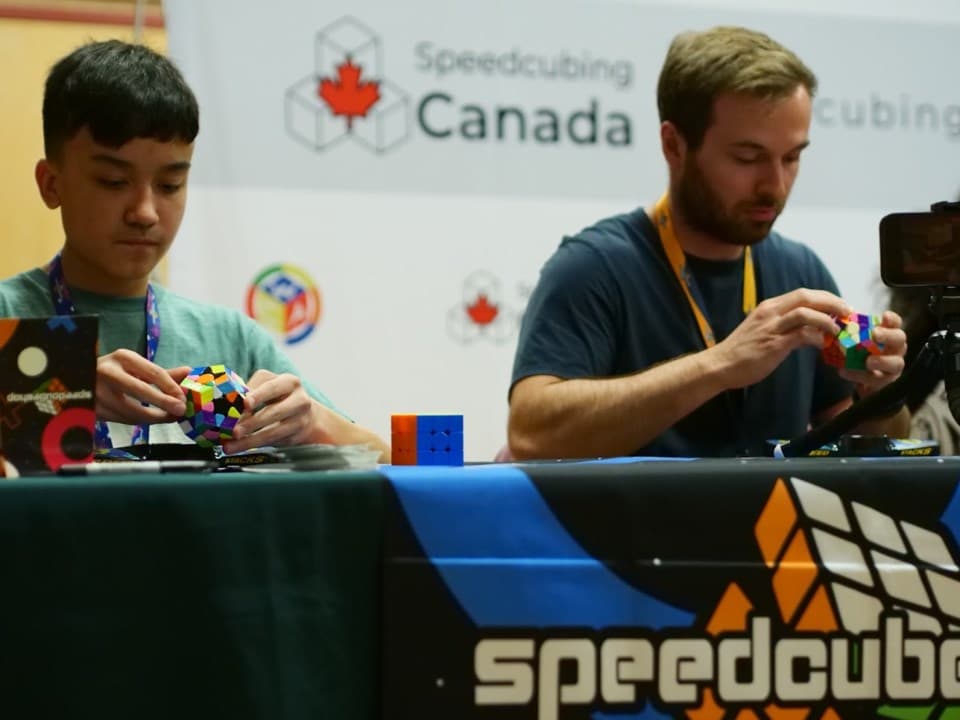
Once you register, the tone changes from solo practice to community event. Indian competition pages spell out the same newcomer basics again and again: bring your own cube, arrive early, and attend the tutorial session if it is your first competition or if you are unfamiliar with the rules. Some pages also ask first-time competitors to bring government ID, and they remind everyone that participants may be assigned judging or scrambling duties once they move beyond newcomer status.
That last part is a big reason India’s scene feels so open right now. The room is not built around spectators waiting outside the action, it is built around a steady turnover of first-timers who become regulars, then volunteers, then the people organizing the next meet. That is what a healthy speedcubing pipeline looks like, and India now has enough hardware, enough online gravity, and enough official competitions to make the path visible from the very first turn.
This article was produced by Prism’s automated news system from verified source data, official records, and press releases, then run through automated quality and moderation checks before publishing. The system is built and supervised by the people who set the standards it runs under. Read our full AI policy.
Did this article answer your question?