Singapore’s Please Be Quiet meet draws 30 experienced cubers from six regions
Thirty capped slots, zero first-timers, and six regions turned Singapore’s June 13 meet into a tight, international test for experienced solvers.
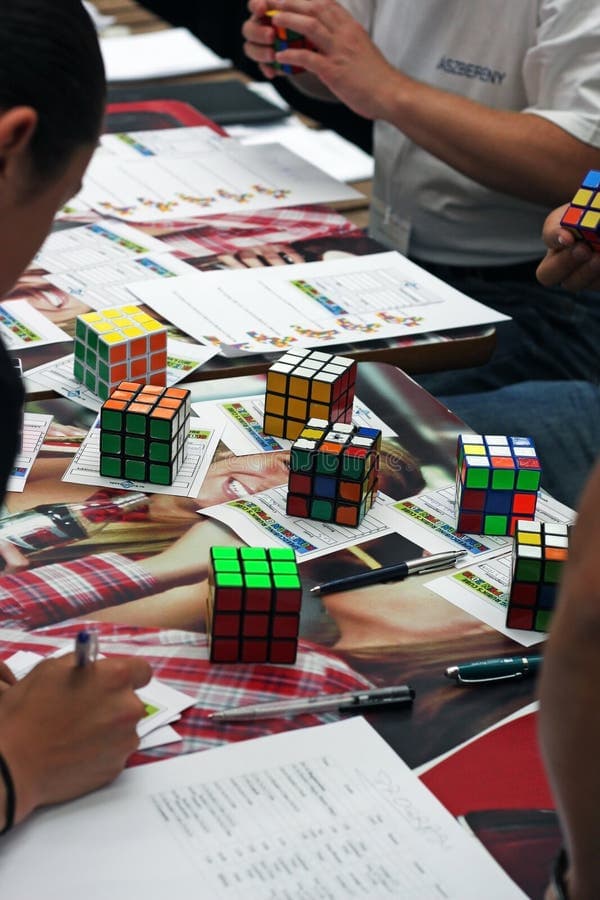
Thirty slots and not a single first-timer gave Singapore’s Please Be Quiet meet a very specific feel: compact, controlled, and built for cubers who already know how official rounds run. Held at the National University of Singapore on June 13, the event looked less like a broad community introduction and more like a precision tournament, with scarcity doing as much of the work as scale.
The structure backed that up. The event page set a hard cap of 30 competitors, and the presence of a Dual Rounds tab suggested a format designed to squeeze the most out of limited venue time. Registration was closed to on-the-spot entries, payment ran through Stripe, and the fee setup included a modest base cost with a small refund window if someone had to drop out. That combination is the kind of guardrail organizers use when every slot matters and there is no room for last-minute chaos.
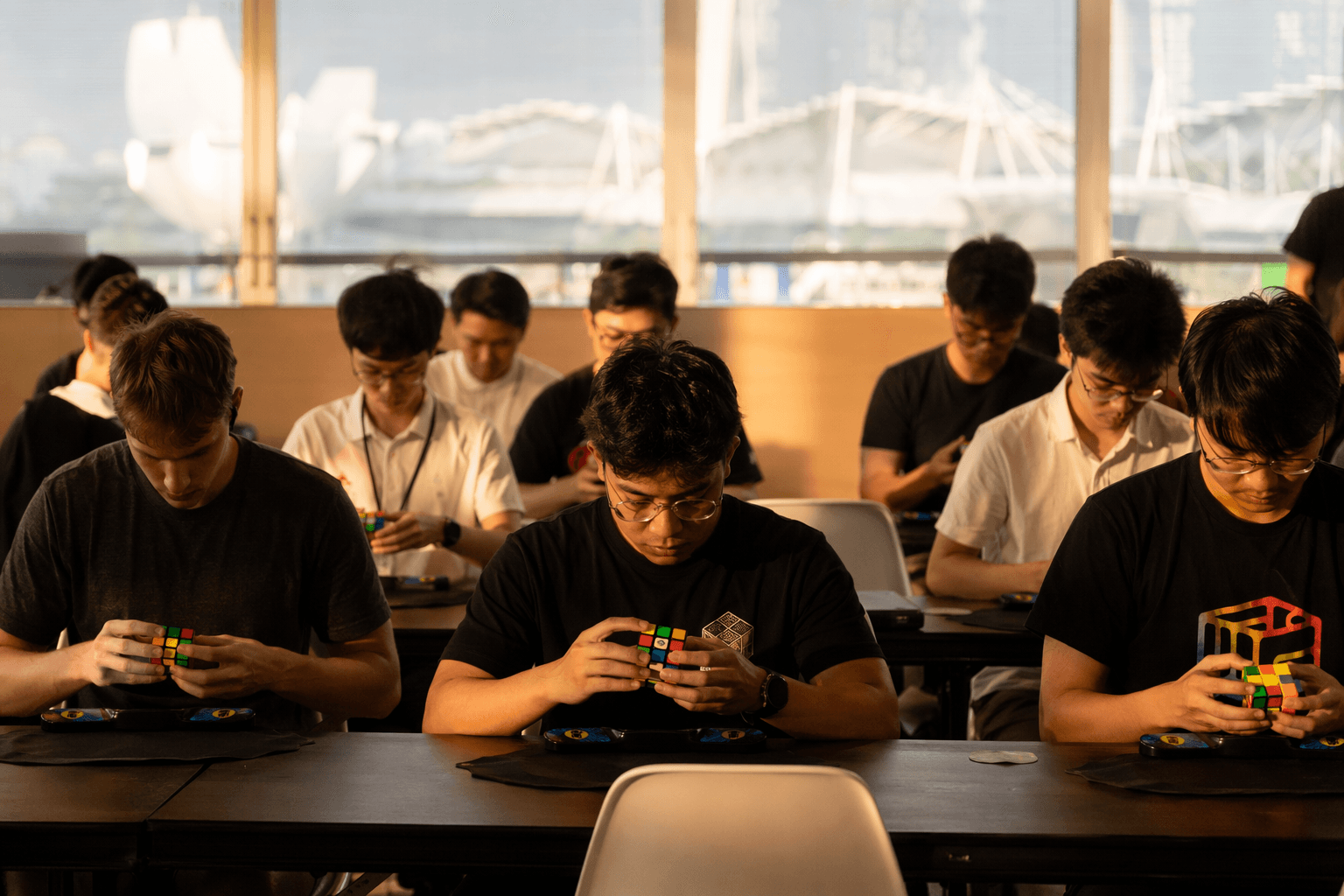
The roster was the real story. All 30 competitors were returners, and the field stretched across six regions: Singapore, Japan, China, India, Chinese Taipei, and the Republic of Korea. Singapore supplied most of the list, but the international spread made the meet feel denser than its size would suggest. In a small field, every returner matters more, because there are no beginners to smooth out the competitive pressure and no filler entries to dilute the level.
That is what made Please Be Quiet stand out. It was not chasing raw numbers, and it did not need to. A 30-person cap, a university venue, and a roster made entirely of experienced competitors produced exactly the kind of high-signal environment serious solvers notice right away. For Singapore’s scene, that is the point: a repeat stop where veteran cubers can get clean rounds, tight scheduling, and a field where six regions fit into one controlled campus meet.
This article was produced by Prism’s automated news system from verified source data, official records, and press releases, then run through automated quality and moderation checks before publishing. The system is built and supervised by the people who set the standards it runs under. Read our full AI policy.
Did this article answer your question?