smart cubes evolve into serious training tools for speedcubers
Smart cubes have crossed from gimmick to coaching gear, with Bluetooth data, solve reconstruction and AI feedback now useful for real practice.

Smart cubes are finally useful enough to change how a serious session feels, not just how it looks. In a community SpeedSolving.com says now includes more than 45,000 people, that matters because practice time is precious and the gap between an okay average and a breakout one often lives in a single bad pause or a sloppy last slot. Cubelelo’s June 11 guide reads like the clearest sign yet that the category has moved past novelty.
What changed in the 2026 generation
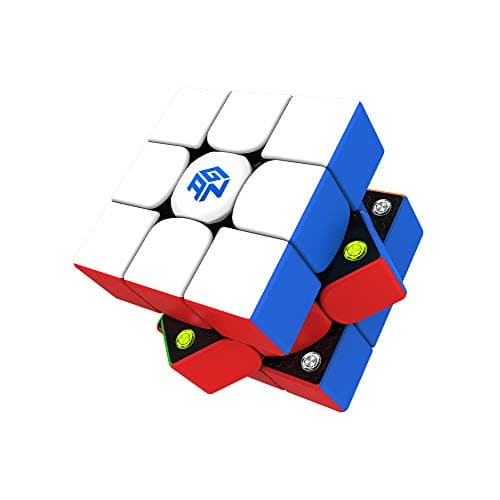
The big shift is simple: smart cubes no longer ask you to trade performance for data. Cubelelo’s framing is that current models integrate the electronics into the core and pieces without the clunky weight penalty that used to make smart cubes feel like heavy gadgets instead of speedcubes. That matters more than marketing copy because a cube only becomes a real training tool if it still turns like something you’d actually main.
The other upgrade is mechanical, not just digital. Cubelelo points to MagLev tensioning and core-to-corner magnetism as part of the 2026 formula, which is exactly the kind of hardware tuning speedcubers care about. If the cube feels stable, fast, and familiar in the hand, then the data becomes an added layer rather than a reason to compromise your solves.
Bluetooth connectivity is the bridge between the cube and the practice session. Once the cube pairs to an app, it can capture the solve, reconstruct what happened, and turn a blind average into a replayable lesson. That is the core reason the category has started to feel coachable instead of merely collectible.
Turn tracking is the real payoff
The most useful smart-cube feature is not the flashiest one. It is turn tracking, because it tells you where the time actually went instead of where you think it went. Turn-rate analysis shows whether you are flowing through a solve cleanly or stuttering in specific phases, and move-count tracking gives you another layer of honesty when a solution looks smooth but is secretly inefficient.
Automatic reconstruction is where the training value really kicks in. Instead of remembering a solve as a blur, you can inspect the exact sequence, spot the hesitation, and isolate the phase that broke down. If the app shows that your cross was fine but your F2L cadence collapsed, the fix is no longer a guess.
That makes smart cubes especially valuable for deliberate practice. I would rather have a solver spend 20 minutes drilling one weak phase with clean feedback than burn through 100 random solves and hope muscle memory sorts it out. The cube becomes a mirror, and that is far more useful than a light show.
AI coaching turns numbers into instruction
Cubelelo’s guide also leans on AI coaching, and that is where the pitch becomes more than raw telemetry. Data by itself is just a spreadsheet. Coaching is what turns a slow OLL, a sloppy transition, or a repeated lockup into a specific thing you can work on the next day.
That distinction matters for consistency work. If the app keeps showing that your averages get wrecked by one recurring pause, you can start attacking the cause directly, whether that means cross planning, lookahead, recognition, or a cleaner last-layer execution. The value is not that the cube tells you you’re bad. The value is that it helps you stop wasting practice on the wrong problem.
For newer cubers, that can lower the barrier to structured improvement. For solvers coming back after a break, it can speed up the process of finding which habits survived and which ones need rebuilding. For advanced solvers, it reduces guesswork. You do not have to rely only on feel when the app is telling you exactly where the session drifted off track.
Who should buy one, and who should not
Smart cubes are most convincing for people who actually want to train. If you care about averages, solve consistency, or fixing specific weaknesses, the data can be genuinely useful. If you are the kind of solver who likes to run drills, compare sessions, and review mistakes with intention, this is finally a category that earns its keep.
- newer cubers who need structure
- returning solvers rebuilding consistency
- competitive players who want turn-by-turn feedback
- coaches or parents helping someone practice with more accountability
The best fit is usually:
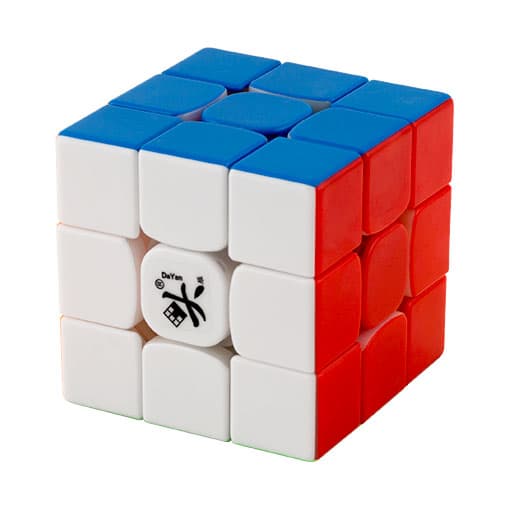
There is still a solid case for a standard cube, though. If you mainly want the pure tactile feel of a top-tier cube, or you already know your own weak spots without needing app feedback, a smart cube can be unnecessary complexity. The same goes for anyone who hates phone pairing, battery management, or session syncing. A great regular cube still does one thing beautifully: it lets you solve.
This is part of a much longer speedcubing shift
The smart-cube story did not start in 2026. GANCUBE says it introduced its first smart cube in 2019, with app connection and a “smart ball core” design marking the start of performance tracking in the category. GANCUBE also traces a deeper hardware shift back to 2016, when adhesive magnetization helped push mass production of magnetic cubes and kick off a broader speedcubing boom.
That history matters because it shows how normal this progression has become. The sport moved from basic magnetic tuning to app-connected data, and now to cubes that try to behave like honest training instruments. What looked futuristic a few years ago is starting to feel like the baseline for serious practice gear.
Why the competition ecosystem makes this matter
The timing lines up with a more data-heavy competitive scene. The World Cube Association says it is a 501(c)(3) tax-exempt, volunteer-led nonprofit that governs official twisty-puzzle competitions, and its regulations were merged into a single document for competitions beginning on or after July 17, 2025. The current regulations page is versioned April 1, 2026, which is another sign that the rulebook and the sport itself are being maintained with real precision.
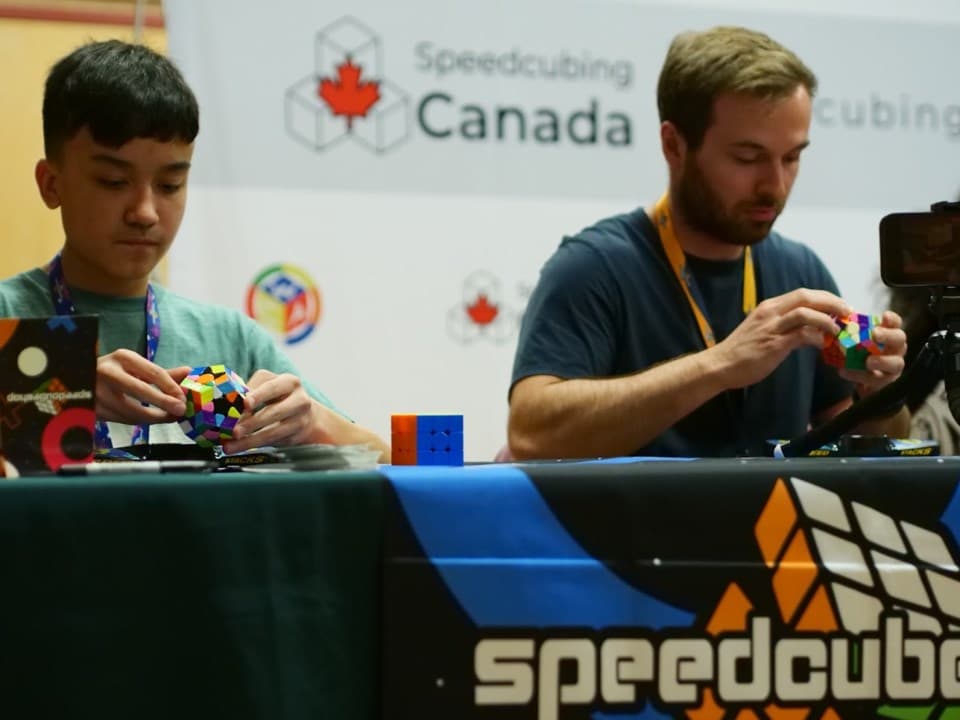
The WCA’s rankings and exports also sit in a live, constantly updated system, with rankings refreshed on June 14, 2026 and an export dataset dated June 12, 2026. Cubelelo’s own events page showing practice events and WCA competitions in June and July 2026 makes the point in a more grassroots way: this is a sport where training tools live right next to the competition calendar.
That is why smart cubes have finally crossed the line. They are no longer trying to be toys with Bluetooth attached. They are becoming the kind of practice tool that can actually help you diagnose a solve, fix the weak phase, and come back to the next average a little sharper than the last.
This article was produced by Prism’s automated news system from verified source data, official records, and press releases, then run through automated quality and moderation checks before publishing. The system is built and supervised by the people who set the standards it runs under. Read our full AI policy.
Did this article answer your question?