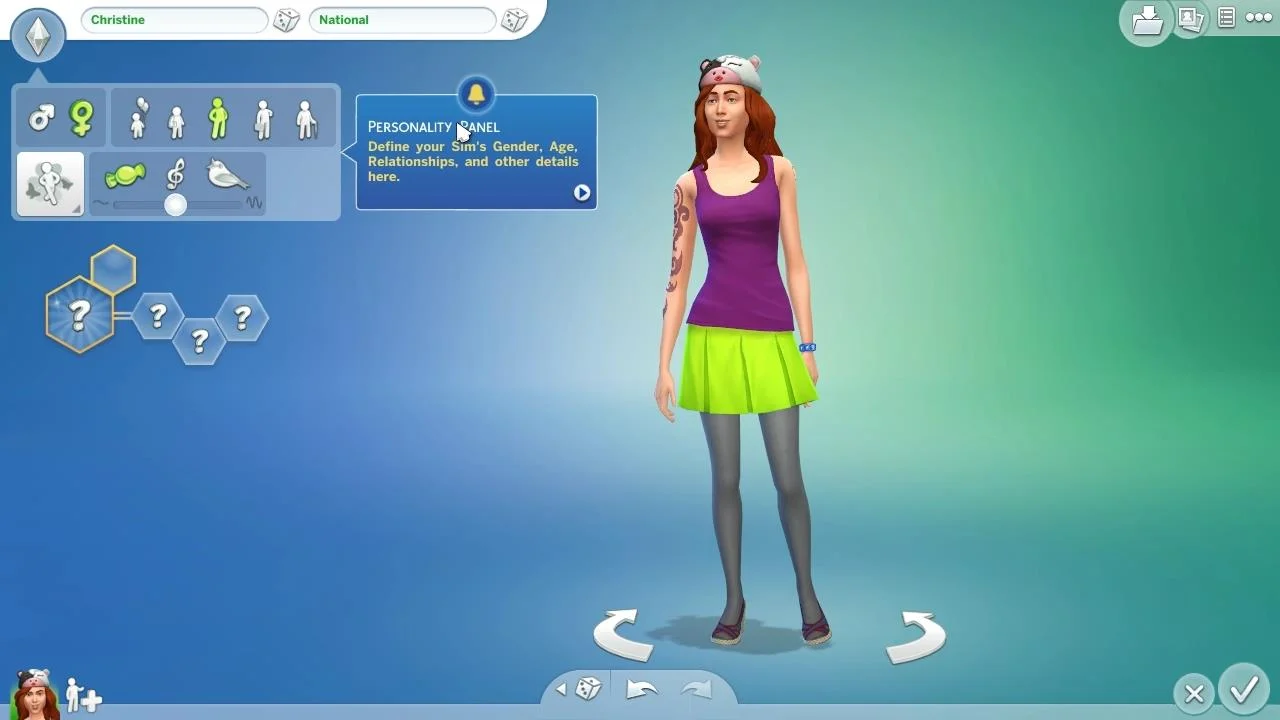
The Sims enters museums as a digital dollhouse of everyday life
MoMA treats The Sims as preserved software, not nostalgia, because its household systems turned everyday routines, identity, and player-made stories into the game itself.
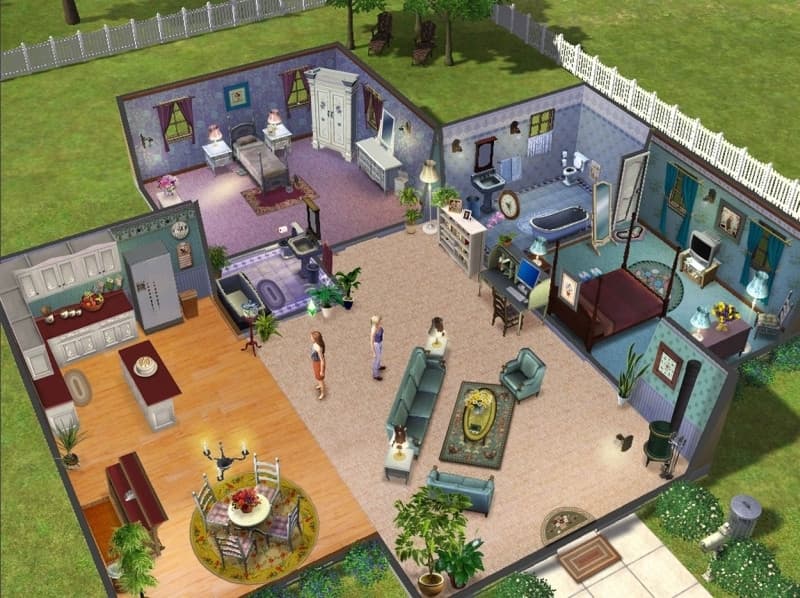
The Sims did not get museum attention by being loud or violent. It earned it by making ordinary life into the point, then giving players enough control to turn that life into story. MoMA’s collection entry calls it software that simulates “the lives of people in a suburban household, a microcosm of SimCity,” and that framing is the whole case for why this game belongs in a gallery as much as in a launcher.
Why The Sims reads like an object museums can preserve
MoMA identifies The Sims as “video game software,” which matters because that puts the game in the same preservation bucket as other media objects with a specific interface, rule set, and cultural moment. The acquisition is credited as a gift of Electronic Arts, so the museum is not just admiring the brand, it is archiving a playable work that shaped how interactive domestic life could look on a screen. When a museum keeps a copy of software like this, it is preserving the logic of the game, not just the nostalgia attached to it.
That logic starts with Will Wright’s design philosophy. The Sims grew out of the same systems thinking that powered SimCity, only here the city-scale simulation gets shrunk down to a household, where the player is in charge of characters called Sims. Instead of chasing a score or clearing a level, you are managing a tiny society, and that shift is exactly why the game feels bigger than its premise.
The digital dollhouse idea explains the appeal fast
MoMA audio-tour content creator Amira Virgil says she thinks of The Sims as a “digital dollhouse,” and that is the cleanest shorthand for the series I have seen. It works because it captures the way the game invites you to arrange spaces, dress people, and invent situations without locking you into one correct way to play. If you have ever spent half an evening changing countertops, redesigning a bedroom, or deciding whether a Sim gets a child or a cat first, you already know how the toy-box feeling becomes the whole loop.
Virgil is not speaking as an outsider, either. MoMA describes her as a content creator, streamer, and creator of the Melanin Pack for The Sims 4, which ties the dollhouse metaphor to a real player culture built around representation and customization. That matters because The Sims has always been more than a house-building sandbox: it is a place where players test identity, family structure, aesthetics, and social norms by building them into the game itself.
Why the series outgrew nostalgia and became a life-simulation benchmark
The franchise launched on February 4, 2000, and it quickly became the standard reference point for the life-simulation genre. That genre label is not marketing fluff here. The Sims made domestic routine, relationship management, and money juggling feel like a game system, and then it kept widening the appeal by letting players tell stories that did not need combat or conquest to feel meaningful.
A few design choices helped it stick. EBSCO’s research starter notes that The Sims introduced same-sex relationships, a fictional currency called Simoleons, and a fictional language known as Simlish. Those are not cosmetic details. Same-sex relationships gave players room to model households that reflected real lives, Simoleons turned the economy into a playful internal system, and Simlish gave the world its own audio identity without forcing players into one language or one culture.
That combination is why The Sims became such a durable platform for user creativity. The game does not just hand you characters and a house, then wait for you to win. It gives you tools that turn architecture, social behavior, and routine into an editable story space, and that is a very different kind of agency from what most big games offered in 2000.
The numbers show how long that design has lasted
The commercial milestones make the museum case even harder to dismiss. In 2010, The Sims had sold 125 million games across 10 years, which is a huge number for any franchise, let alone one built around bathrooms, bills, and awkward dinner parties. By 2023, Electronic Arts said The Sims 4 had become the most widely played game in the franchise’s 23-year history, with more than 70 million players worldwide.
The scale kept climbing. In 2025, EA celebrated the franchise’s 25th anniversary and said the Sims community had surpassed 500 million. Those figures tell you the series is not surviving on legacy status alone. People are still arriving, still building, still making households that look nothing like the ones the game shipped with in 2000.
What museum recognition preserves that sales charts cannot
Sales tell you the reach. Museum acquisition tells you the cultural claim. Preserving The Sims means preserving a moment when a mainstream game made domestic life, consumer culture, and identity experimentation feel central instead of secondary.
That is the part worth holding onto. The game’s importance is not that it was first to make people decorate a kitchen or micromanage a bedtime. It is that it normalized the idea that ordinary life, with all its mess, routine, and self-invention, could be the subject of serious interactive art. That is why MoMA’s label, its audio-tour framing, and the gift from Electronic Arts all line up so neatly around the same idea.
The Sims enters the museum as a digital dollhouse, but the real reason it stays there is simpler: it taught games how much human drama can fit inside a suburban household.
This article was produced by Prism’s automated news system from verified source data, official records, and press releases, then run through automated quality and moderation checks before publishing. The system is built and supervised by the people who set the standards it runs under. Read our full AI policy.
Did this article answer your question?