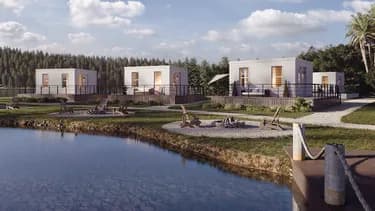
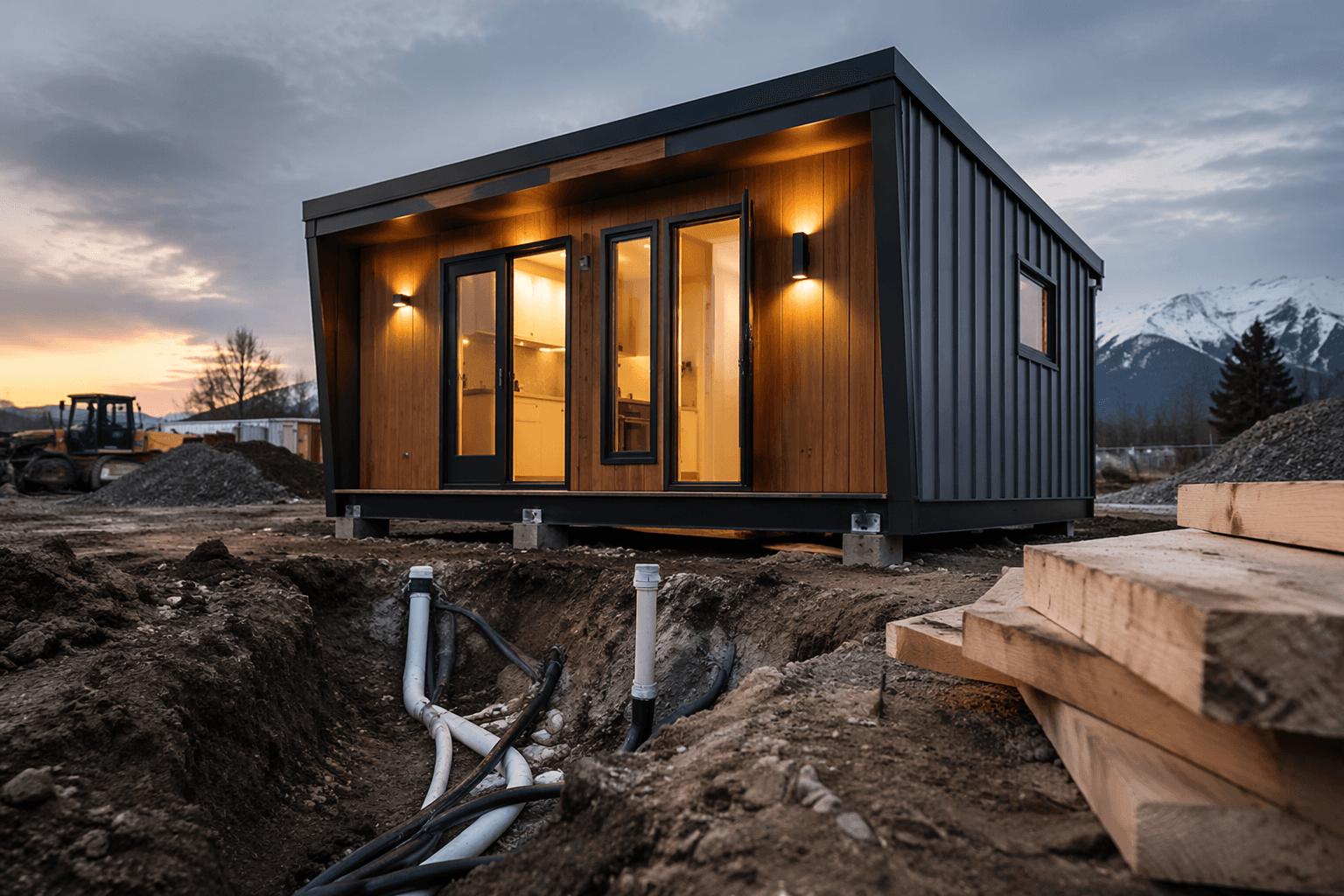
24 Tiny House Plans Show How Smart Design Beats Square Footage
The strongest tiny-house plans here do one thing well: they make light, storage, and flow do the work of extra square footage. The result feels bigger without adding bulk.
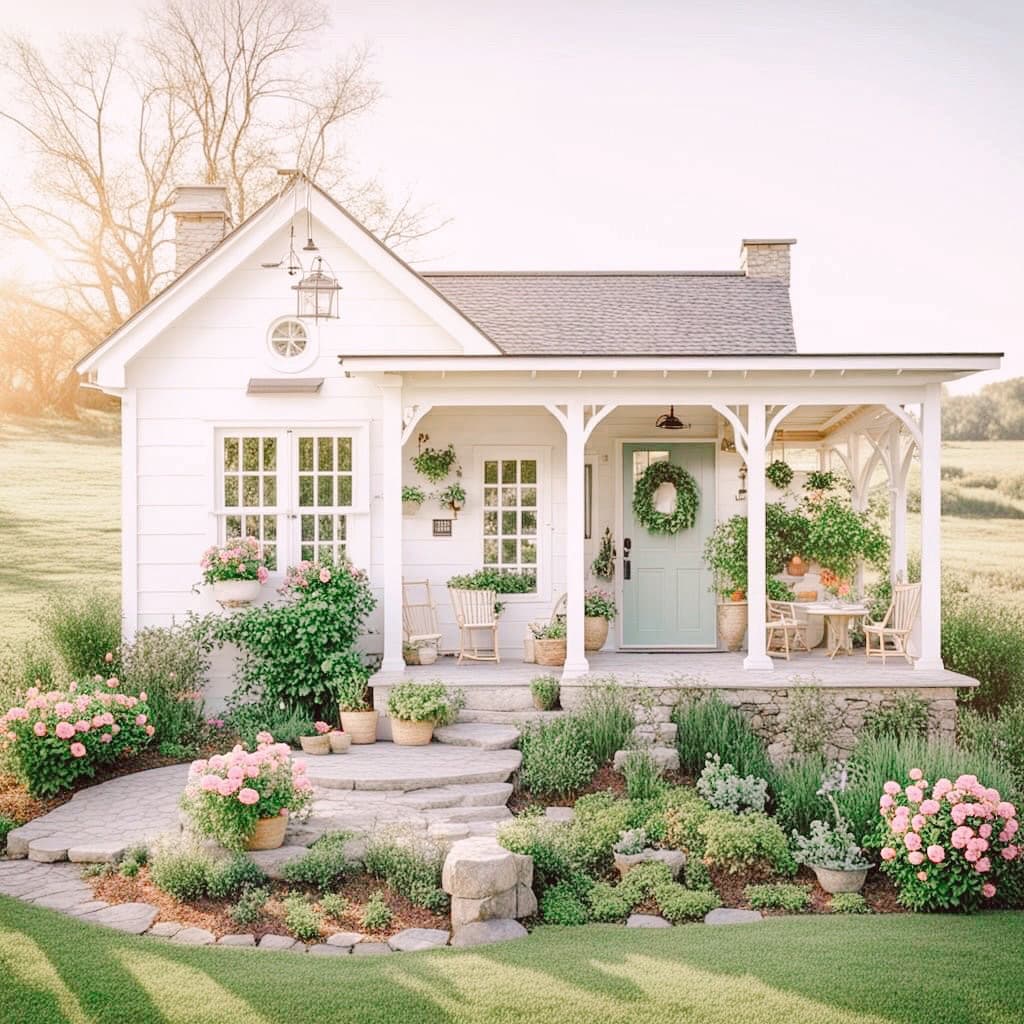
TheCoolist’s 24-plan roundup makes a sharp case for tiny-house design in 2026: the smartest small homes do not feel tight because every inch is choreographed. The best ideas here are the ones readers can steal immediately, from glass-heavy facades to storage that disappears into the plan.
1. A-frame cabin glow in the woods
This is the clearest reminder that shape can create drama before square footage ever enters the conversation. The triangular silhouette, glass, gravel path, and soft lighting make the house feel like a lantern, not a box.
2. Glass-box modern tiny home with indoor-outdoor flow
When the walls almost disappear, the eye reads the outdoors as part of the room. That trick makes the interior feel larger at night too, especially when a fireplace and warm light turn the whole home into one cinematic zone.
3. Minimal forest retreat with a full glass facade
This plan leans on openness instead of extra partitions, which is exactly why it feels restful. The lesson is simple: if the view is good, do not fight it with heavy walls or over-programmed rooms.
4. Loft-first layouts that save the main floor
A loft earns its keep when it clears sleeping space off the ground level and hands the living area back to daily life. That move keeps circulation easy and makes the main floor feel less chopped up.
5. Stair storage that does double duty
In a tiny home, every stair can be a cabinet, a drawer, or both. Built-in storage along the ascent keeps clutter out of sight while preserving floor space where it matters most.
6. Ground-floor bedrooms for easier everyday living
Not every tiny house needs a loft, and these plans make that case well. A main-level bedroom keeps bedtime, mobility, and morning routines simple, which is especially valuable in a home meant for full-time use.
7. Open-core plans that let one room do more
The strongest small homes avoid wasting footage on hallways and dead space. An open core lets the kitchen, dining, and lounging zones overlap without feeling crowded.
8. Fireplace-centered layouts that give the room a focal point
A fireplace does more than add warmth. It gives the eye a place to land, which helps a compact interior feel organized instead of busy.
9. Warm lighting that stretches the evening
Several of the standout plans use light the way larger homes use square footage. Soft illumination makes a tiny interior feel calm, layered, and usable long after sunset.
10. Clean-lined modern palettes
A grounded color scheme keeps a tiny home from feeling visually noisy. The result is a space that looks intentional, even when it is doing a lot of jobs at once.
11. Full-glass facades that borrow depth from the landscape
A glass wall turns the surroundings into part of the floor plan. That is one of the fastest ways to make a small footprint feel less enclosed without changing the structure itself.
12. Porches and threshold spaces that extend the home
Indoor-outdoor flow matters because it gives tiny-house living an extra zone without adding interior bulk. A porch, deck, or gravel entry can function like a room when the layout is tight.
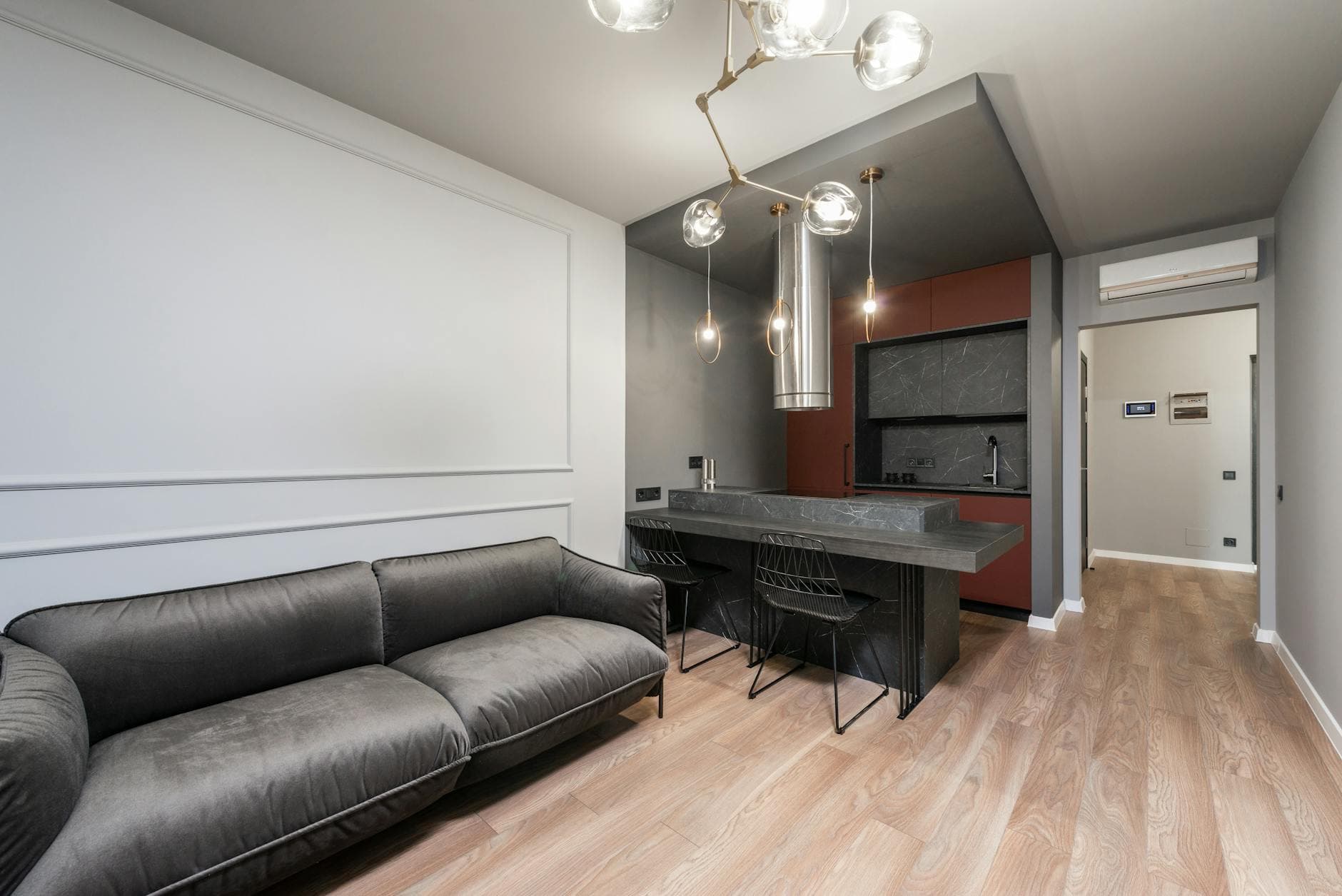
13. Tall ceilings that buy back breathing room
Vertical volume is one of the oldest tricks in small-space design because it works. Even when the footprint stays tiny, height makes a room feel more generous and less compressed.
14. Main rooms that stay flexible from morning to night
The best plans do not lock a tiny house into one use. A living area that can shift from work zone to gathering space to quiet retreat keeps the home usable all day.
15. Kitchen cores that stay compact and efficient
In a small plan, the kitchen should be easy to reach and even easier to live with. Tucking it into a tight, efficient core frees the rest of the house for movement and relaxation.
16. Retreat-style plans that emphasize calm over capacity
Some of the best examples in this roundup trade extra rooms for atmosphere. That choice works when the goal is not to pack in functions but to make a compact house feel restorative.
17. Full-time tiny homes with practical priorities
These plans are not just cute weekend cabins. They point toward daily life, which means storage, circulation, and livability matter as much as the look.
18. Climate-aware layouts that can flex by setting
A tiny house in the woods, a tiny house on a sunny lot, and a tiny house in a colder climate all need different responses. The plans in this roundup show that style still works best when it respects location.
19. 100-to-400-square-foot footprints that define the tiny-house sweet spot
Tinyhouse.com describes tiny houses as typically ranging from 100 to 400 square feet, and this roundup sits comfortably inside that conversation. The range is small enough to demand discipline, but large enough to support real design ambition.
20. Manufactured-home crossover plans at 320 square feet and up
HUD says manufactured homes are dwelling units of at least 320 square feet with a permanent chassis, so some tiny-house plans sit close to that threshold. That overlap matters for anyone thinking about transportability, code, or how a plan gets built.
21. The 400-square-foot handbook threshold
HUD’s handbook definition puts manufactured homes at least 400 square feet when erected on site, which helps explain why some tiny designs sit in a regulatory gray zone. In practice, that means the same compact idea can land very differently depending on how it is classified.
22. Plans that match public appetite for smaller homes
A 2018 National Association of Home Builders survey found 53 percent of Americans would consider living in a home under 600 square feet, and 63 percent of millennials said the same. That kind of openness is why these plans feel less niche than they used to.
23. Tiny-house design as an affordability response
Harvard’s Joint Center for Housing Studies reported in June 2024 that millions of potential buyers had been priced out by high home prices and interest rates, and that 21.6 million U.S. households were severely cost-burdened in 2024. In that context, tiny-house planning looks less like a novelty and more like a serious housing strategy.
24. Composition over compromise
The real lesson in this roundup is that small homes feel bigger when every choice earns its place. When a plan uses light, height, storage, and flow with discipline, square footage stops being the headline and smart design takes over.
This article was produced by Prism’s automated news system from verified source data, official records, and press releases, then run through automated quality and moderation checks before publishing. The system is built and supervised by the people who set the standards it runs under. Read our full AI policy.
Did this article answer your question?