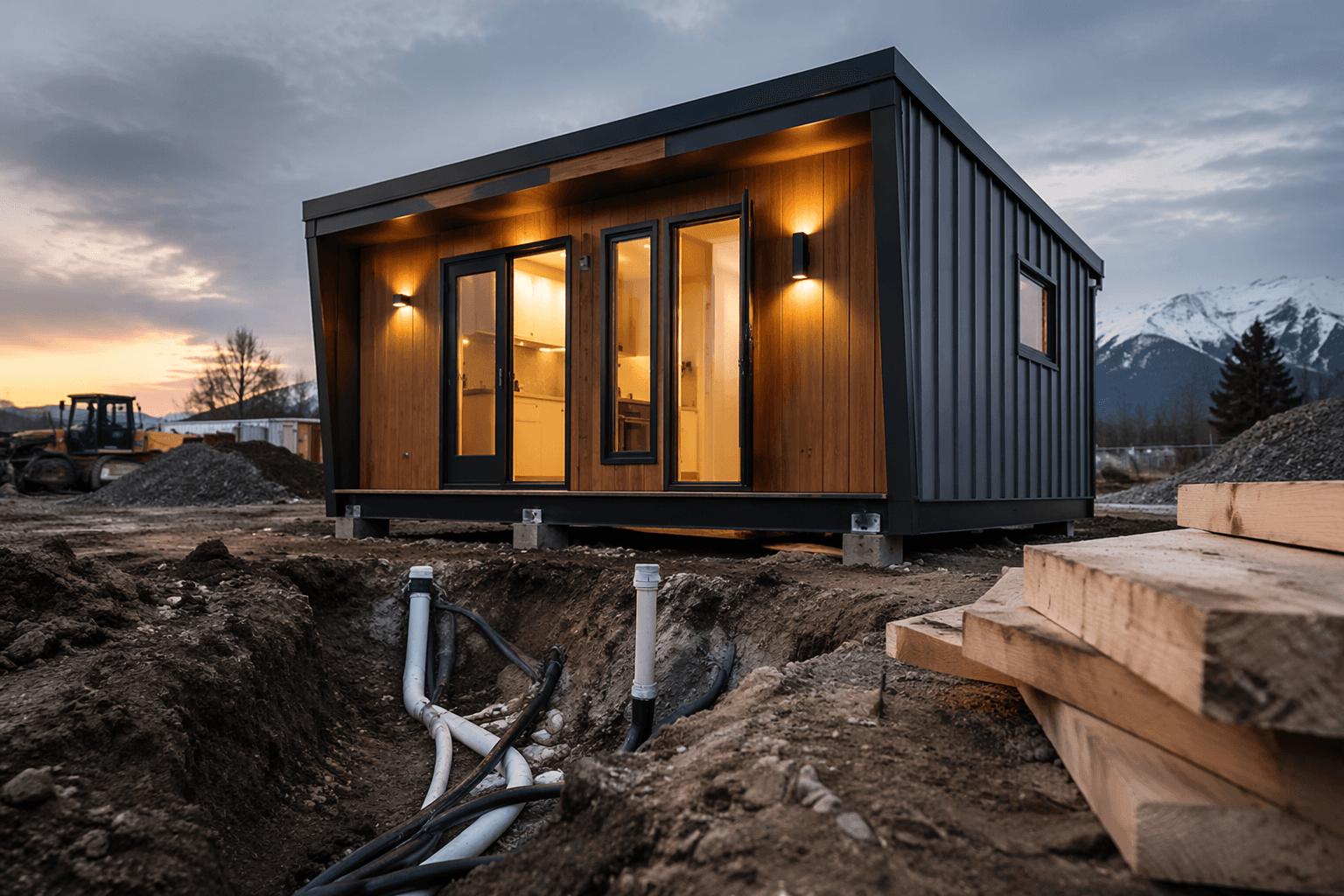
New Hampshire Lawmakers Consider Tiny Homes to Ease Housing Crisis
House Bill 1681 would make tiny homes and yurts permanent housing in New Hampshire, capped at 600 square feet and tied to local zoning rules.
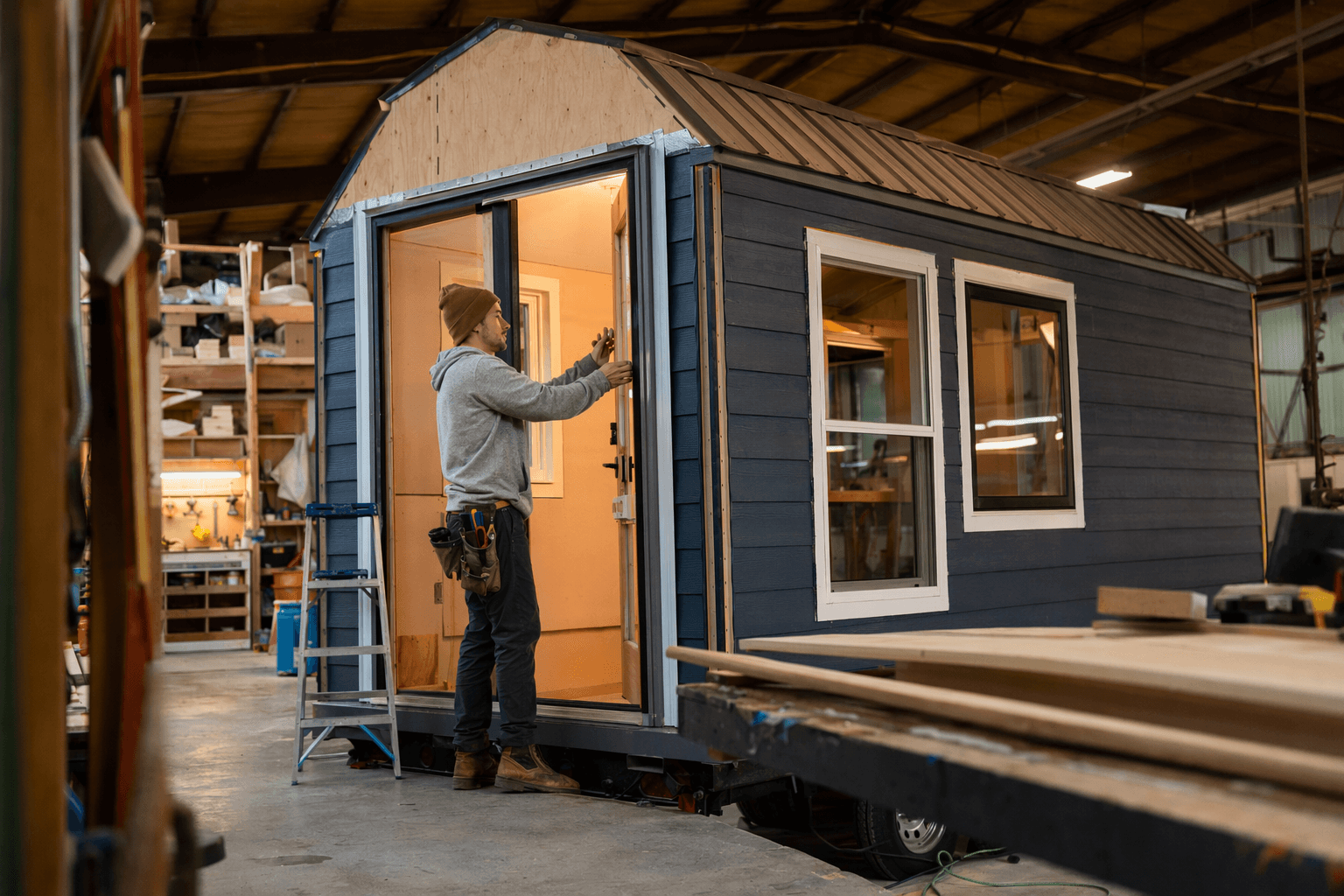
Tiny homes, tiny homes on wheels and yurts moved closer to formal recognition in Concord as lawmakers weighed whether New Hampshire should treat them as permanent housing rather than novelty builds on the margins. House Bill 1681 would write “innovative housing structures” into state law, cap them at 600 square feet and subject them to the same building standards and local zoning oversight as any other residence.
The proposal landed in a state where housing pressure has already pushed prices beyond reach for many buyers. Supporters pointed to a median house price reported at more than $500,000 and argued that compact homes, which can cost several hundred dollars less per square foot than full-sized houses, could open a real path into ownership or long-term renting for people squeezed out of the conventional market. Rep. Michael Aron of South Acworth, described as the bill’s chief architect, said one aim was to give lenders clearer ground to finance these structures if they are recognized in state law and built to the same code requirements as other homes.
Testimony on April 21 made the human stakes hard to miss. Michael Danis of Tiny Houses of New Hampshire backed the bill as a way to open a new market for people who cannot spend about $500,000 on a house. Johanna Richardson, 72, of Marlborough said a tiny home on wheels on someone else’s land could let her keep living independently while making rent through knitting and felting work and supplementing her Social Security income.
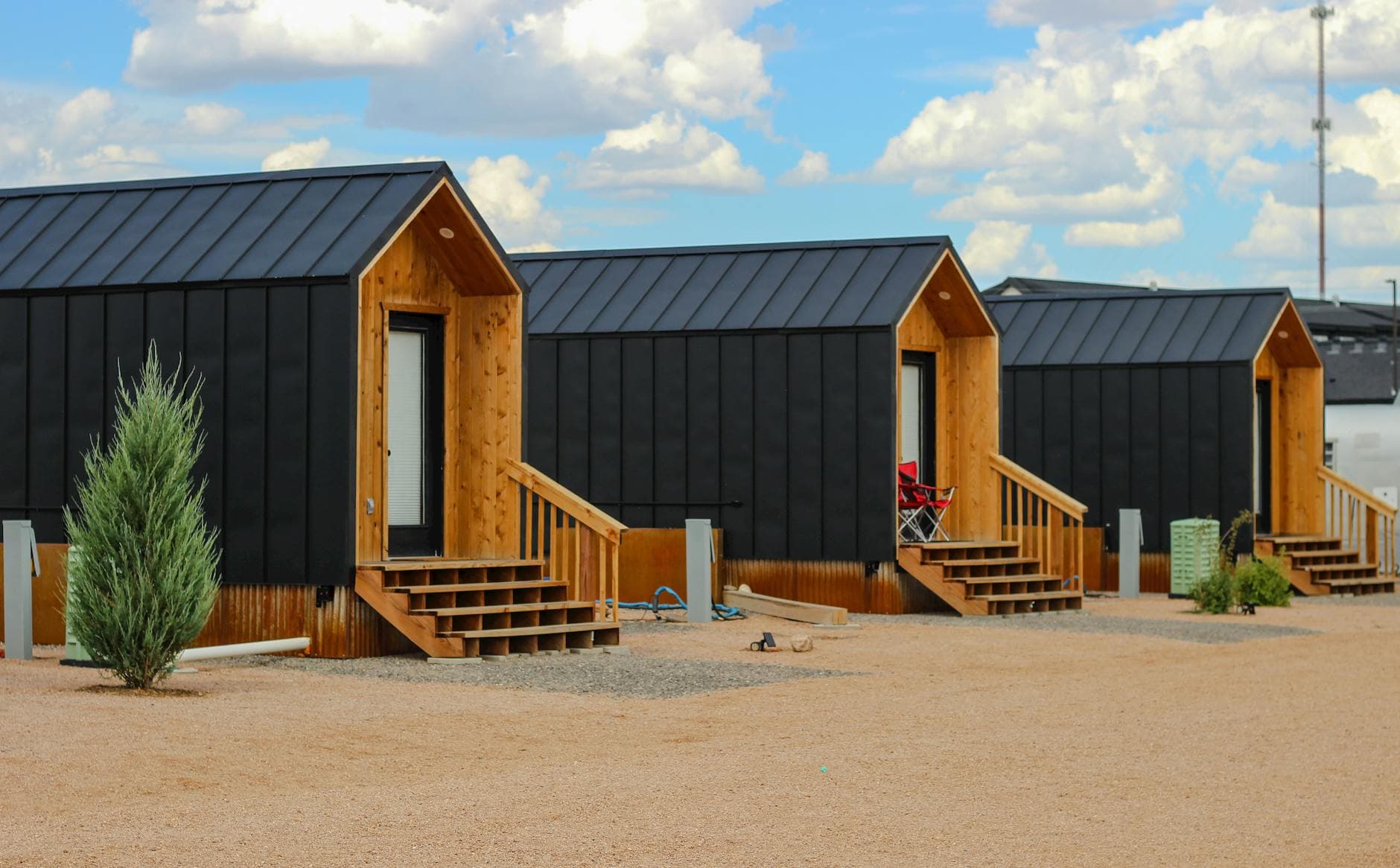
The proposal also exposed the practical questions that always follow tiny-house enthusiasm when it reaches statehouse territory. Skeptics raised concerns about whether yurts could stand up to New England weather and how assessors should classify these structures for tax purposes, whether more like real estate or more like trailers. Supporters countered that tiny homes are not RVs and should not be able to slip past town assessors simply because they are compact or mobile.
The debate built on a broader housing shift already underway in New Hampshire. In 2025, lawmakers approved a change that made accessory dwelling units easier to build by bypassing some local zoning-board review. That reform already showed up in Concord, where a couple planned a tiny home after the law changed. HB 1681 would push the state one step further, giving tiny homes and yurts a clearer legal lane if lawmakers decide they want them in the housing supply rather than just in the sidelines of the conversation.
This article was produced by Prism’s automated news system from verified source data, official records, and press releases, then run through automated quality and moderation checks before publishing. The system is built and supervised by the people who set the standards it runs under. Read our full AI policy.
Did this article answer your question?